Choosing between a front-load and a top-load washing machine involves more than deciding how to load your laundry. The two types differ in water and electricity consumption, cleaning performance, wash cycle duration, convenience, maintenance and price. Understanding these differences can help you choose a machine that suits your household, available space and budget.
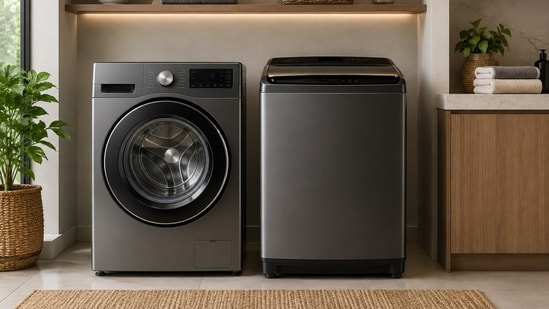
Front-load washing machines are often worth considering if water efficiency, fabric care and advanced wash features are priorities. Top-load models may appeal to buyers who prefer easy loading from above and convenient access to the drum. However, actual performance, running costs and cycle times vary by model, capacity and wash programme.
So, which washing machine is better for your home? This guide compares front-load and top-load machines across seven key factors to help you make an informed buying decision.
Front-load vs top-load washing machines: What is the difference?
A front-load washing machine has a door at the front, while a top-load washing machine allows you to load clothes through an opening at the top. The two designs differ in how you load laundry, their space requirements, typical water consumption and everyday convenience.
Front-load models are generally worth considering for buyers who prioritise water efficiency and fabric care. Top-load models may be more convenient for people who prefer loading clothes without bending down. However, performance, running costs and wash times depend on the specific model and programme.
| Feature | Front-load washing machine | Top-load washing machine |
|---|---|---|
| Loading style | Clothes are loaded through a front-facing door | Clothes are loaded through an opening at the top |
| Water consumption | Generally uses less water per wash | Water consumption varies by design and model |
| Electricity consumption | Can be energy-efficient; check the BEE rating and model specifications | Efficiency varies by model, wash programme and rating |
| Cleaning performance | Uses a tumbling wash action and can be gentler on fabrics | Wash action depends on the model, including whether it uses an agitator or impeller |
| Wash cycle duration | Some programmes take longer to complete | Some programmes may finish faster |
| Loading convenience | May require bending to load and unload clothes | Allows loading from above, with less bending |
| Installation space | Needs enough clearance for the front door to open | Needs sufficient overhead clearance for the lid |
| Maintenance | Door seal and drum need regular cleaning and drying | Tub, drum and detergent dispensers need regular cleaning |
Which cleans clothes better: Front-load or top-load washing machines?
Front-load washing machines generally offer effective cleaning with a gentler tumbling action, while top-load models can also clean everyday laundry well. Results depend on the model, wash programme and fabric type.
Front-load: A good option for fabric care, everyday stains and delicate garments.
Top-load: Convenient for regular family laundry, with cleaning performance varying by agitator or impeller design.
Which should you choose? Consider a front-load machine if fabric care is a priority. A top-load model can work well for everyday washing, too. Compare wash programmes and cleaning features before making your decision.
Best front load washing machines on Amazon
Which washing machine uses less water and electricity?
If you run multiple loads every week, water and electricity consumption are worth considering before buying a washing machine. Front-load models generally use less water than traditional top-load machines, although the actual difference depends on the model and wash programme.
Electricity consumption is less straightforward. Heating water can account for a significant share of a wash cycle’s energy use, so the selected temperature and programme matter alongside the machine’s efficiency rating.
Before making a decision, compare machines with similar capacities using their BEE star ratings and published energy-consumption figures. A lower purchase price may seem attractive initially, but a model that uses resources more efficiently could offer better value over years of regular use.
Which washing machine is faster and easier to use?
A top-load washing machine may be more convenient if you want to load clothes without bending or prefer shorter wash programmes. Front-load machines can take longer on some cycles, but offer features such as delayed start, specialised wash programmes and automatic detergent dispensing on select models.
Consider your routine, too. If you often forget to add clothes after starting a cycle, check if the machine allows you to pause and add laundry. This feature is model-specific, rather than guaranteed across either type.
Best top load washing machines on Amazon
Which washing machine is better for small Indian homes?
Space can influence your choice as much as price. Front-load machines need enough room for the door to open fully, while top-load models need sufficient clearance above the lid.
Choose front-load if you have a dedicated laundry area and want the option of placing a compatible dryer above the washer.
Choose top-load if overhead space is available but opening a front-facing door would be inconvenient.
Measure the installation area, including door clearance, plumbing access and space to move around the machine, before ordering.
Which washing machine needs more maintenance?
Both types need regular cleaning, but their upkeep differs slightly. Front-load machines need attention to the rubber door gasket, where moisture and detergent residue can collect. Leaving the door ajar after a wash, when safe to do so, helps the drum and seal dry.
Top-load machines also need periodic tub cleaning, along with cleaning of the detergent dispenser and other accessible parts. Using the recommended detergent and avoiding excess detergent can help reduce residue in either type.
Check the manufacturer’s cleaning instructions and service support before buying. Neither design is maintenance-free.
Is a front-load washing machine more expensive than a top-load model?
Front-load machines often cost more upfront than entry-level top-load models, particularly when they include features such as steam cycles, automatic dosing or Wi-Fi connectivity. However, prices vary considerably by capacity, brand and specifications.
When comparing prices, look beyond the initial bill:
- Purchase price and installation charges
- Electricity and water consumption
- Warranty coverage and service costs
- Features you will actually use
A feature-rich machine is not necessarily better value if your household only needs basic wash programmes.
Which washing machine should you buy for your household?
| Your priority | Type worth considering |
|---|---|
| Lower water consumption | Front-load, subject to model-specific efficiency |
| Easier loading without bending | Top-load |
| Fabric care and specialised wash cycles | Compare front-load models and their programmes |
| Limited space in front of the machine | Top-load, if overhead clearance is available |
| Lower upfront budget | Compare entry-level models of both types |
| Advanced wash features | Compare features across individual models |
Before deciding, compare machines with similar capacities and check their energy ratings, wash programmes, warranty and installation requirements. These details can matter more than the loading style alone.
Which washing machine is better for Indian homes?
Indian households often need to consider more than wash performance when buying a washing machine. Monsoon humidity, limited utility-balcony space, frequent family laundry and inconsistent water supply can all influence the choice.
For monsoon laundry: Compare spin speeds and moisture removal. Clothes that come out with less water may dry sooner indoors, although ventilation and humidity also matter.
For compact homes: Measure the available space carefully. Front-load machines need clearance for the door to open, while top-load models need room above the lid.
For large families: Consider drum capacity and the type of laundry you wash regularly, including bedsheets, towels and everyday clothes. A larger capacity can help reduce the number of loads.
For homes with low water pressure: Check the machine’s minimum water-inlet pressure requirements. Do not assume one loading type will work better in every home.
Similar stories for you
Top cordless vacuum cleaner brands cut prices in Amazon Great Indian Festival: Check latest deals
10 Best steam-clean washing machines for allergies, delicate fabrics, and activewear
LG vs Samsung 55-inch TVs: Which one should you pick when prices drop in the Amazon sale?
- Which handles Indian clothes and bulky laundry better?
Compare dedicated programmes for sarees, delicate fabrics, cotton kurtas, bedsheets and towels. Drum capacity, load limits and available wash programmes matter more than the loading style alone.
- Can you add forgotten clothes mid-cycle?
This is a relatable everyday convenience. Many top-load models allow clothes to be added from above, while front-load machines generally lock the door during operation. Some front-load models have pause-and-add functions, so verify the specific model.
- Which washing machine is quieter during a spin cycle?
Noise and vibration matter if the machine is near a bedroom, in a compact flat or used at night. Compare noise ratings where available, motor design, installation requirements and whether the floor is level.
- Do front-load and top-load machines need different detergents?
Explain why buyers should follow the detergent type and dosage recommended in the manual. Front-load machines commonly require low-sudsing detergent, while requirements for top-load models depend on their design and manufacturer instructions.
Disclaimer: At Hindustan Times, we help you stay up-to-date with the latest trends and products. Hindustan Times has an affiliate partnership, so we may get a part of the revenue when you make a purchase. We shall not be liable for any claim under applicable laws, including but not limited to the Consumer Protection Act, 2019, with respect to the products. The products listed in this article are in no particular order of priority.