KPMG US chair and CEO Tim Walsh believes artificial intelligence (AI) presents a challenge unlike the Y2K (Year 2000) bug, which sparked fears of widespread computer failures as the world approached 2000. Walsh recalls spending New Year’s Eve 1999 near Times Square as businesses and the public waited to see whether the feared disruption would unfold.
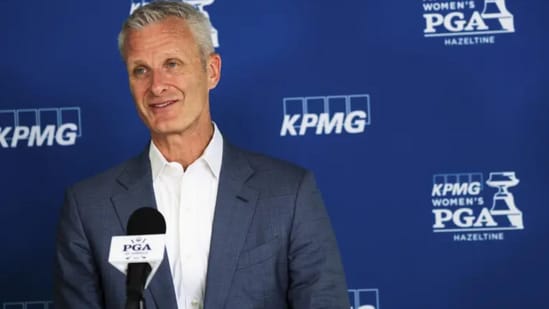
“I don’t think AI is Y2K,” Walsh told Fortune. He was discussing the risks businesses face as AI advances, including cybersecurity threats and the pressure to prepare employees for changing roles.
AI raises cybersecurity concerns
KPMG’s 2026 US CEO Outlook, based on a survey of 400 CEOs, found that 85% expect cybercrime and cybersecurity threats to affect their organisations’ prosperity over the next three years. Nearly half, or 48%, plan to increase cybersecurity investment during this period.
(Also Read: Indian-origin couple loses dream cafe in Australia firebombing, had spent life savings on it)
AI is contributing to these concerns. According to the survey, 78% of CEOs cited AI powered social engineering and targeted attacks as reasons for increasing cybersecurity spending, while 76% pointed to AI assisted malware and phishing. Another 73% cited data and privacy risks associated with AI agents.
{{/usCountry}}AI is contributing to these concerns. According to the survey, 78% of CEOs cited AI powered social engineering and targeted attacks as reasons for increasing cybersecurity spending, while 76% pointed to AI assisted malware and phishing. Another 73% cited data and privacy risks associated with AI agents.
{{/usCountry}}Walsh said outdated technology infrastructure presents another challenge, as many businesses continue to rely on systems built decades ago. He described strengthening cyber defences as both a business opportunity for KPMG and a necessity for organisations adopting AI.
AI is changing hiring and workforce plans
The survey suggests that businesses are preparing for several workforce changes simultaneously. Some companies expect to reduce staff in certain areas, while others are investing in new skills and restructuring teams.
KPMG found that 53% of CEOs plan workforce reductions in some areas over the next two to five years, compared with 35% a year earlier. Meanwhile, 86% are redesigning roles and team structures for human and AI collaboration, while 83% are focusing on retaining and retraining high potential employees.
Another 79% plan to recruit people with AI and technology skills.
However, these plans do not necessarily mean fewer jobs overall. In the survey, 89% of CEOs expected their organisations’ headcounts to increase over the next three years.
(Also Read: Hachette CEO says he writes every email himself, warns excessive AI reliance could weaken leadership skills)
Why human skills still matter
Walsh said KPMG is training existing employees while recruiting people with specialised technical expertise. He also stressed that AI tools have helped employees analyse larger datasets and improve productivity, but have not yet eliminated the need for human involvement in delivering services.
The pace of change is also making long term planning difficult. Walsh told Fortune that looking just three months ahead has become a benchmark for assessing technological developments.