E-Paper



Scientists discover yak-like Ice Age mammal in Siberian cave through DNA analysis
A Siberian cave known for its Denisovan remains has yielded a new discovery, a previously unknown Ice Age mammal closely related to modern yaks.

 Prefer HTon Google


Scientists have identified a previously unknown Ice Age mammal closely related to modern yaks by analysing ancient DNA recovered from tiny bone fragments in Siberia. The discovery was made at Denisova Cave, a site famous for revealing evidence of an extinct human lineage called the Denisovans.
Ancient DNA reveals a distinct mammal
According to Reuters, researchers examined 20 bone fragments, including 14 recovered from Denisova Cave and six from other sites in the surrounding region. The remains were too small and fragmented to reveal the animal’s identity through their physical features alone.
The breakthrough came from genetic analysis. Scientists generated 20 ancient genomes and found that the animal belonged to a distinct bovine lineage that began diverging from the ancestors of modern yaks around 400,000 years ago.
The researchers have provisionally called the animal “Yak X”. They have not assigned it a formal scientific name because the available bones do not provide enough anatomical evidence to establish its identity through conventional classification.
(Also Read: Airbnb bans hosts from asking guests to strip beds, wash dishes and do other time-consuming chores)
“It is unusual, especially to recognize a large mammal species from small, unidentifiable fragments,” evolutionary geneticist Love Dalén told Reuters. Dalén is a senior author of the study published in the journal Current Biology.
What did Yak X look like?
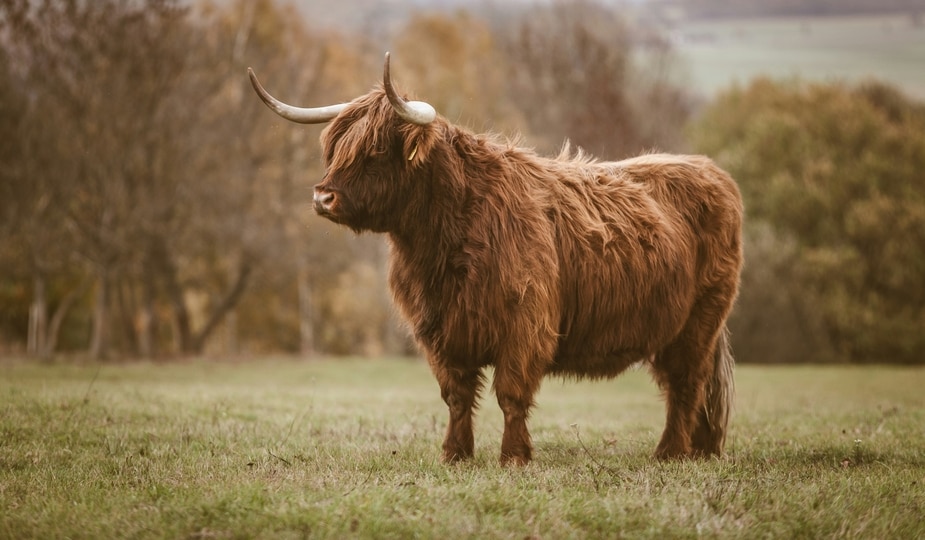
Although its exact appearance remains uncertain, researchers believe Yak X probably resembled a modern yak more closely than a bison because of its evolutionary relationship with the animal.
Yaks are sturdy, horned bovines known for their long fur and ability to survive in cold, high altitude environments. Today, wild yaks are mainly found on the Tibetan Plateau.
According to a study published in Current Biology, the genetic evidence also suggests that Yak X experienced a population decline during the Ice Age. The lineage eventually disappeared, although scientists cannot establish the precise circumstances of its extinction.
Did Denisovans hunt Yak X?
Yak X shared its habitat with several well-known Ice Age animals, including woolly mammoths, woolly rhinoceroses, steppe bison and aurochs, the extinct wild ancestors of modern domestic cattle.
(Also Read: Ex-Google CEO Eric Schmidt says AI could leave companies needing ‘a couple of thousand’ fewer workers)
The Centre for Palaeogenetics research team said the discovery adds to evidence that the Altai region was home to a wide diversity of mammals and ancient human relatives.
Denisovans, an extinct human lineage first identified in the cave in 2008, also lived in the region. Researchers believe they may have hunted Yak X, though this remains unconfirmed.