A shrub that had not been recorded for more than two centuries has been rediscovered in Assam, while scientists have identified two previously unknown fish species living in underground water systems.
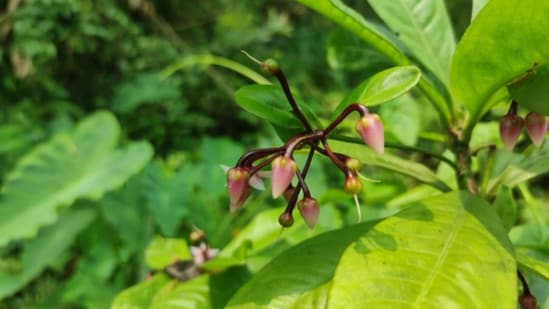
The discoveries in Goalpara district have drawn attention to the biodiversity hidden in the state's forests and groundwater habitats.
Assam Chief Minister Himanta Biswa Sarma shared the findings in a post on X, highlighting the importance of protecting natural habitats and preserving lesser-known species.
Take a look:
Shrub rediscovered after 204 years
The shrub, Ardisia colorata, was first described in 1821 but had remained unrecorded for 204 years, according to the chief minister's post. Its rediscovery highlights how plant species can remain undocumented for long periods, even as researchers continue to study the natural world.
{{/usCountry}}The shrub, Ardisia colorata, was first described in 1821 but had remained unrecorded for 204 years, according to the chief minister's post. Its rediscovery highlights how plant species can remain undocumented for long periods, even as researchers continue to study the natural world.
{{/usCountry}}The findings also include two fish species, Gitchak nakana and Rakthamichthys anchi, discovered in wells in Goalpara. Both live in subterranean groundwater environments, which remain less explored than rivers, lakes and other surface-water habitats.
According to a report by Mongabay India, Gitchak nakana is a tiny, blind loach measuring around two centimetres. Its transparent body appears reddish because its blood and internal organs are visible through its skin. The second species, Rakthamichthys anchi, is a slender, eel-like fish belonging to the swamp eel family.
Mongabay India also reported that researcher Wimarithy K. Marak first collected a specimen of Gitchak nakana in 2021 after encountering an unusual creature in a well and sharing its photograph with her supervisor. Another specimen, later identified as Rakthamichthys anchi, was collected in 2024 after a relative encountered it while cleaning a well.
The discoveries could help scientists better understand how fish survive in dark underground waters. They also highlight the need to protect these habitats from pollution and land-use changes.
Internet reacts to Assam discoveries
The post drew appreciation from social media users, with some highlighting the importance of conservation in the northeastern states.
"The North Eastern states, due to their remoteness and geography, have been the least disturbed amongst the Indian states, and therefore still preserve some life forms that are lost in the mainland," one user commented.
Another wrote, “If treated nicely, nature shows all the beautiful colours. Great job.”