Elon Musk and Telegram founder Pavel Durov have weighed in after Meta was sued in the United States over allegations that WhatsApp misled users about the privacy and security of its messages.
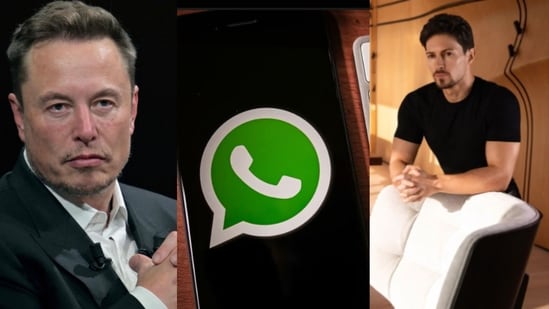
Telegram founder and CEO Pavel Durov took to X, claiming Telegram had earlier analysed WhatsApp’s encryption system and identified “multiple attack vectors.” He went on to say that anyone who still believes WhatsApp is secure in 2026 is “braindead”.
“You’d have to be braindead to believe WhatsApp is secure in 2026. When we analyzed how WhatsApp implemented its “encryption”, we found multiple attack vectors,” Durov wrote.
Tesla and X owner Elon Musk echoed the criticism, reposting content related to whistleblower allegations against Meta. “WhatsApp is not secure. Even Signal is questionable. Use X Chat,” Musk wrote, casting doubt not only on WhatsApp but also on Signal.
{{/usCountry}}Tesla and X owner Elon Musk echoed the criticism, reposting content related to whistleblower allegations against Meta. “WhatsApp is not secure. Even Signal is questionable. Use X Chat,” Musk wrote, casting doubt not only on WhatsApp but also on Signal.
{{/usCountry}}What the lawsuit alleges
Durov and Musk’s reactions followed a Bloomberg report on a lawsuit filed in a US District Court in San Francisco, accusing Meta Platforms of falsely claiming that WhatsApp’s end-to-end encryption prevents the company from accessing users’ communications.
The lawsuit claims that despite WhatsApp’s assurances that only senders and recipients can read messages, Meta stores, analyses and can access the substance of user communications. The case has been filed by an international group of plaintiffs from countries including India, Brazil, Australia, Mexico and South Africa, and cites unnamed whistleblowers.
(Also Read: WhatsApp messages aren’t private, claims fresh lawsuit against Meta, ‘whistleblower’ account cited)
Meta rejects claims
Meta, however, has strongly denied the allegations, calling the lawsuit “frivolous.” A company spokesperson said any suggestion that WhatsApp messages are not encrypted is “categorically false and absurd,” adding that the platform has relied on end-to-end encryption for nearly a decade.
Responding directly to Musk’s post, WhatsApp head Will Cathcart also dismissed the claims as baseless. “This is totally false. WhatsApp can’t read messages because the encryption keys are stored on your phone and we don’t have access to them,” Cathcart wrote in the comments.
“This is a no-merit, headline-seeking lawsuit brought by the very same firm defending NSO after their spyware attacked journalists and government officials,” he added.