The human body requires adequate sleep for optimal functioning, and people often try various ways to improve their sleep quality. Among those is “sleepmaxxing”, a viral trend that many are trying in order to “fix” their sleep. This trend claims to promote relaxation and a better night's sleep.
What is “‘sleepmaxxing”?
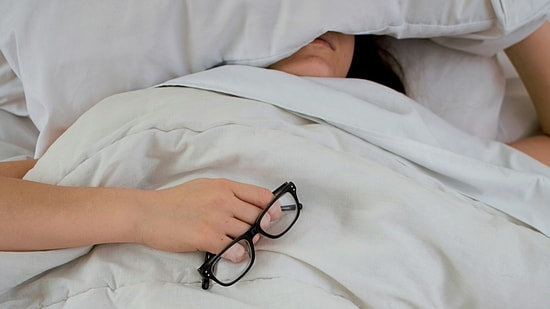
This trend aims to employ a method that helps an individual have “perfect sleep” without any distractions. Under this method, people use various supplements or gadgets to enhance their sleep quality. According to the videos shared on social media, the most common ones that people use are mouth tape, chin straps, foot spray, and sleep trackers.
Also Read: This woman made ‘very demure’ go viral. Now she wants to trademark its use
As per the Independent, some people also drink “sleepy girl mocktail” - a concoction made using cherry juice and magnesium powder.
Safety concerns:
Is the trend safe to follow? According to experts, it depends on the method used. While discussing gadgets to get better sleep, Vanessa Hill, a behavioral sleep scientist at the Appleton Institute, told the New York Times, “Probably none of these are going to help you get a better night’s sleep.”
{{/usCountry}}Is the trend safe to follow? According to experts, it depends on the method used. While discussing gadgets to get better sleep, Vanessa Hill, a behavioral sleep scientist at the Appleton Institute, told the New York Times, “Probably none of these are going to help you get a better night’s sleep.”
{{/usCountry}}“It’s most important that you’re comfortable. So if some of these things help you feel more comfortable, great,” Hill added.
Reportedly, other experts warn that this trend comes at a cost. According to the Independent, researchers have observed that the increased use of sleep gadgets is causing orsothomia.
Also Read: This 'skinny influencer' was banned from TikTok for promoting 'dangerous weight loss'
What is orsothomia?
According to the Journal of Clinical Sleep Medicine, it is a condition in which patients seek treatment for “self-diagnosed sleep disturbances such as insufficient sleep duration and insomnia due to periods of light or restless sleep observed on their sleep tracker data.”
The term was coined in 2017 by researchers at Rush Medical College and Northwestern University’s Feinberg School of Medicine.