A pretty garden plant sounds like an unlikely forest villain. But that is exactly what lantana was in India: an ornamental shrub. Today it is far more than a garden plant. Its effect on dry forests of Madhya Pradesh was examined in a study published in 2025 in a Frontiers in Forests and Global Change study, based on fieldwork done in 2017 and 2018. The shrub, which threatens 44% of India’s forest cover, covers over 13 million hectares.
From garden shrub to forest pest
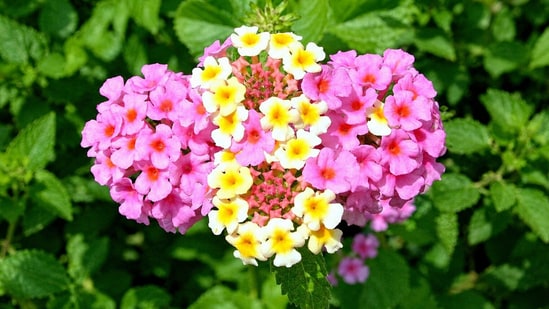
Lantana camara is native to tropical Central and South America. It was originally introduced into India as an ornamental plant. Researchers writing in PLOS ONE, who studied two centuries of old records, found that it arrived in India shortly after 1800. The same team also tracked its spread in Australia and South Africa. Lantana now grows in over 60 countries, says the Frontiers paper. In India, it says the shrub grows in tropical rainforests, semi-arid locations and mangroves. That's a long way from where it all started.
Why it is so hard to stop
The plant thrives where forests are already under stress, such as after fires or floods. These events can increase sunlight at ground level, which may help lantana grow and reproduce faster. It spreads its seeds by birds taking them from one place to another. The plant also emits chemicals that hold back other plants from growing around it. According to the Frontiers authors, these traits help lantana outcompete native plants. Control efforts have been largely ineffective. Lantana has continued to expand despite long and vigorous efforts to contain it, and is projected to keep expanding under climate change. The PLOS ONE team found that attempts to eliminate it over two centuries in Australia, India and South Africa largely failed.
What the forest study showed
The Frontiers team studied tropical dry deciduous forests that make up 40.9% of India’s forest cover, according to the India State of Forest Report 2019. Their fieldwork took place in 2017 and 2018 at three forest sites in Sagar, Madhya Pradesh. They compared sites with less than 50% lantana ground cover to sites with no lantana cover. They made 60 plots in all, 30 in each group. In total, 98 plant species were found at lantana sites, compared with 132 at sites without lantana.
{{/usCountry}}The Frontiers team studied tropical dry deciduous forests that make up 40.9% of India’s forest cover, according to the India State of Forest Report 2019. Their fieldwork took place in 2017 and 2018 at three forest sites in Sagar, Madhya Pradesh. They compared sites with less than 50% lantana ground cover to sites with no lantana cover. They made 60 plots in all, 30 in each group. In total, 98 plant species were found at lantana sites, compared with 132 at sites without lantana.
{{/usCountry}}Carbon results were inconsistent. The total forest carbon was 142.4 metric tons per hectare in the lantana areas, while in non-lantana areas it was 153.7 metric tons per hectare. The top 50 centimeters of soil in the lantana areas averaged 73.1 metric tons of carbon per hectare, compared with 65.2 in the others. The authors warn that a decline in the number of young trees growing back will probably disrupt how the forest stores carbon in the long run.
What the study cannot prove and what may help
The authors are honest about what their work cannot show. The study was a field comparison study. That means the lantana sites might have been low in species and carbon even before the shrub arrived. To reduce this risk, the team chose plots without lantana that were 50 to 100 meters from invaded plots and in similar conditions. They also ask for long-term monitoring to see how these forests change over time.
There are some ideas for lantana control, though none has worked at scale. In Punjab, chemical control followed by planting fast-growing native species yielded positive results, says the Frontiers paper. It also says fire can help spread lantana even more. Some attempts have been made to use the shrub, including in compost and basket-making. The PLOS ONE authors suggest we may need methods to manage lantana over time, not just attempt to wipe it out. This story shows how a plant brought in for decoration can end up becoming a long-term headache for forests.