By Engineering Huang’s Return, Trump Endorses Silicon Valley’s Founder Mode
President Trump is betting that the chip leader can keep the AI boom afloat.
Published on: Nov 24, 2026, 08:50:00 IST
WSJ
Advertisement
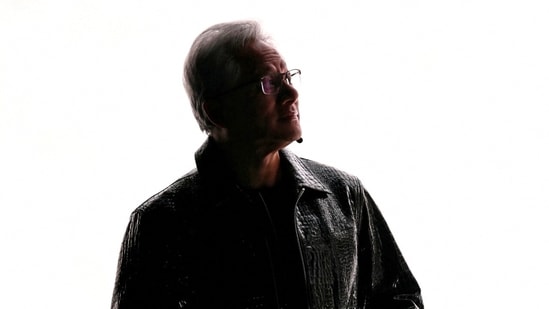
President Trump has decided that in the AI era, some people are too big to fail. That the Imperial CEO must be protected at all costs. That the individual outweighs the institution.That is the message Monday from the president’s successful campaign to reinstate Jensen Huang as chief executive of Nvidia, the AI chip maker at the heart of the technology supporters say will remake the world.
PREMIUM
Jensen Huang
{{^htLoading}} {{/htLoading}}
It was only 11 days ago that the Nvidia co-founder was ousted after
Why did Trump push Nvidia to reinstate Jensen Huang as CEO?
Trump and other administration officials viewed Huang as important to Nvidia, the U.S. AI industry and competition with China. The market selloff after Huang’s departure also helped spur the push for his return.
How did Jensen Huang get reinstated as Nvidia CEO?
Trump and Vice President JD Vance supported Huang’s return and communicated with Nvidia’s board. After discussions with Huang, the board voted unanimously to reinstate him, saying he was the right person to lead the company.
What questions did Huang’s reinstatement raise about Nvidia’s board and corporate governance?
The decision raised questions about the influence of the White House on a private company’s leadership and whether a prominent founder can be treated as more important than board oversight. Nvidia’s board investigation and government inquiries were continuing.
Powered ByAsk HT
To keep the AI play alive, Trump is effectively endorsing Founder Mode, the growing dogma within Silicon Valley that founders of companies hold a unique power to create value.
Featured Video
Because of that power, supporters argue, founders should be given special leeway as they pursue growth, innovation and disruption. Their foibles should be overlooked because of the value they create.
{{^htLoading}} {{/htLoading}}
“I believe that you have to protect our geniuses,” Trump told CNBC shortly after Nvidia’s announcement of Huang’s return. “We don’t have enough of them.”
President Trump presenting the National Medal of Science to Jensen Huang in October.
What makes Founder Mode so powerful is that investors largely support the philosophy when the returns go in their favor: Nvidia shares soared more than 30% Monday—after the company had lost about $1 trillion in market value while he was gone.
{{^htLoading}} {{/htLoading}}
That Huang’s company was under federal investigation didn’t appear to matter. (“He did nothing wrong,” Trump told CNBC.)
That Huang failed to disclose his indiscretions to the company’s board of directors and created an organization full of corporate governance red flags didn’t matter. His friends in the New Boys Club—Elon Musk and others in the pro-founder movement—argued the trust he engendered among the industry’s delicate supply chain was more important.
That Huang oversaw a company that exploited a gap in U.S. export controls to the benefit of China didn’t matter. (“He’s in the business of selling chips,” Trump said.)
In the end, Huang’s biggest problem would seem to be that he lacked a dual-class share structure to protect his power in the first place. Unlike other tech titans, such as Musk at SpaceX and Mark Zuckerberg at Meta Platforms who have a tight grip on corporate decisions by virtue of their ownership stakes, Huang was vulnerable to the pressure of a board jittery about his scandal.
{{^htLoading}} {{/htLoading}}
But with powerful friends, like Musk and Trump, even that didn’t matter. Last week, Musk argued Huang was irreplaceable—effectively the Michael Jordan of AI.
Trump obviously agreed.
Some supporters argued Huang was critical to ensuring the U.S. remains ahead of China in the race to develop AI. It is a national-security argument that suggests the country is at war for the future—a zero-sum game that is guiding much of the public debate around AI policy.
All important arguments. But the real catalyst for change seemed to be the market selloff.
The president on Monday acknowledged as much and pointed to Huang’s unique role in guiding future chip development.
Essentially, he offered Huang as a kind of market bailout.
With the backing of the White House, Huang joins Musk and Zuckerberg among the ranks of other Imperial CEOs. He’s now bigger than a board of directors, than shareholders, than the norms of corporate governance. At least, for now, with Trump in power.
{{^htLoading}} {{/htLoading}}
{{^htLoading}} {{/htLoading}}
President Trump has decided that in the AI era, some people are too big to fail. That the Imperial CEO must be protected at all costs. That the individual outweighs the institution.That is the message Monday from the president’s successful campaign to reinstate Jensen Huang as chief executive of Nvidia, the AI chip maker at the heart of the technology supporters say will remake the world.
PREMIUM
Jensen Huang
It was only 11 days ago that the Nvidia co-founder was ousted after revelations that he had two extramarital affairs, with a subordinate at the company and a customer who is suspected of having links to Chinese intelligence.
In helping champion Huang’s return, Trump further ties his second term—his legacy—to the rise of artificial intelligence and the investment boom around it, even as increasing signs emerge that the market has become overheated.
Deep Dive
Why did Trump push Nvidia to reinstate Jensen Huang as CEO?
Trump and other administration officials viewed Huang as important to Nvidia, the U.S. AI industry and competition with China. The market selloff after Huang’s departure also helped spur the push for his return.
How did Jensen Huang get reinstated as Nvidia CEO?
Trump and Vice President JD Vance supported Huang’s return and communicated with Nvidia’s board. After discussions with Huang, the board voted unanimously to reinstate him, saying he was the right person to lead the company.
What questions did Huang’s reinstatement raise about Nvidia’s board and corporate governance?
The decision raised questions about the influence of the White House on a private company’s leadership and whether a prominent founder can be treated as more important than board oversight. Nvidia’s board investigation and government inquiries were continuing.
Powered ByAsk HT
To keep the AI play alive, Trump is effectively endorsing Founder Mode, the growing dogma within Silicon Valley that founders of companies hold a unique power to create value.
Featured Video
Because of that power, supporters argue, founders should be given special leeway as they pursue growth, innovation and disruption. Their foibles should be overlooked because of the value they create.
{{^htLoading}} {{/htLoading}}
“I believe that you have to protect our geniuses,” Trump told CNBC shortly after Nvidia’s announcement of Huang’s return. “We don’t have enough of them.”
President Trump presenting the National Medal of Science to Jensen Huang in October.
What makes Founder Mode so powerful is that investors largely support the philosophy when the returns go in their favor: Nvidia shares soared more than 30% Monday—after the company had lost about $1 trillion in market value while he was gone.
{{^htLoading}} {{/htLoading}}
That Huang’s company was under federal investigation didn’t appear to matter. (“He did nothing wrong,” Trump told CNBC.)
That Huang failed to disclose his indiscretions to the company’s board of directors and created an organization full of corporate governance red flags didn’t matter. His friends in the New Boys Club—Elon Musk and others in the pro-founder movement—argued the trust he engendered among the industry’s delicate supply chain was more important.
That Huang oversaw a company that exploited a gap in U.S. export controls to the benefit of China didn’t matter. (“He’s in the business of selling chips,” Trump said.)
In the end, Huang’s biggest problem would seem to be that he lacked a dual-class share structure to protect his power in the first place. Unlike other tech titans, such as Musk at SpaceX and Mark Zuckerberg at Meta Platforms who have a tight grip on corporate decisions by virtue of their ownership stakes, Huang was vulnerable to the pressure of a board jittery about his scandal.
{{^htLoading}} {{/htLoading}}
But with powerful friends, like Musk and Trump, even that didn’t matter. Last week, Musk argued Huang was irreplaceable—effectively the Michael Jordan of AI.
Trump obviously agreed.
Some supporters argued Huang was critical to ensuring the U.S. remains ahead of China in the race to develop AI. It is a national-security argument that suggests the country is at war for the future—a zero-sum game that is guiding much of the public debate around AI policy.
All important arguments. But the real catalyst for change seemed to be the market selloff.
The president on Monday acknowledged as much and pointed to Huang’s unique role in guiding future chip development.
Essentially, he offered Huang as a kind of market bailout.
With the backing of the White House, Huang joins Musk and Zuckerberg among the ranks of other Imperial CEOs. He’s now bigger than a board of directors, than shareholders, than the norms of corporate governance. At least, for now, with Trump in power.
{{^htLoading}} {{/htLoading}}
All Access. One Subscription.
Get 360° coverage—from daily headlines to 100 year archives.
Get the latest World News, breaking headlines, and real-time coverage from key global hotspots, including the US News, Russia, Ukraine, Iran News, and the UAE News. Track developing conflicts, high-stakes diplomacy, and major international events on Hindustan Times.
Get the latest World News, breaking headlines, and real-time coverage from key global hotspots, including the US News, Russia, Ukraine, Iran News, and the UAE News. Track developing conflicts, high-stakes diplomacy, and major international events on Hindustan Times.