E-Paper



COP29: Climate talks off to rocky start, but carbon mkts mechanism approved
The opening plenary, scheduled for Monday afternoon following addresses by COP29 President Mukhtar Babayev and UN Climate head Simon Stiell, could resume only hours after intense negotiations

 Prefer HTon Google


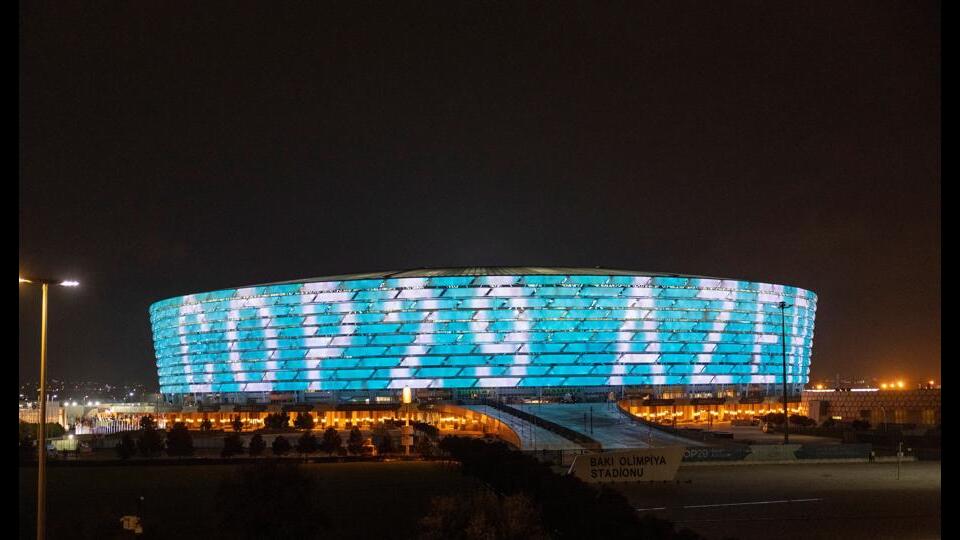
New Delhi: The COP29 climate negotiations opened in Baku on Monday with proceedings stalled for hours over disagreements on key matters on the agenda, but countries later approved new UN standards for international carbon markets in a key step towards allowing countries to trade credits to meet climate targets.
Among the early deadlock was including the scope of the United Arab Emirates (UAE) dialogue on finance under the global stocktake (GST): Whether dialogue will be limited to finance or cover all issues under GST?
The opening plenary, scheduled for Monday afternoon following addresses by COP29 President Mukhtar Babayev and UN Climate head Simon Stiell, could resume only hours after intense negotiations. Some observers said requests for the agenda to also include unilateral trade measures held up talks.
Later, however, UN climate negotiations gavelled through guidelines for carbon removals — the carbon market aspect — under Article 6.4 of the Paris Agreement without debate or public scrutiny.
Myriam Douo, Oil Change International’s false solutions expert, said: “This is a bad process and a worse outcome. By trying to ram through loose standards for dangerous carbon crediting mechanisms behind closed doors, the Supervisory Board is handing Big Oil a gift and setting course for climate disaster.”
According to observers, the key issue that held up discussions was earlier related to the global stocktake, which in simpler terms refers to the world’s first collective climate action report card, which was formalised for the first time in UAE last year.
“EU and the Umbrella group (consisting of Canada, Iceland, Israel, Japan, New Zealand, Kazakhstan, Norway, Ukraine and the United States among others) have concerns with agenda on dialogue related to finance under GST,” said a negotiator, who asked not to be named.
A compromise was eventually reached through a footnote on the UAE dialogue, stating its placement wouldn’t prejudge scope beyond finance discussions.
The delay came shortly after UN climate chief Simon Stiell delivered a forceful message to wealthy nations about climate finance. “Now is the time to show that global cooperation is not down for the count,” Stiell told delegates, warning rich countries to “dispense with any idea that climate finance is charity”.
“An ambitious new climate finance goal is entirely in the self-interest of every nation, including the largest and wealthiest,” he emphasised, addressing the central challenge facing the conference — establishing a new climate funding framework for developing nations.
The shadow of Donald Trump’s election victory loomed large over the proceedings, prompting US climate envoy John Podesta to offer reassurances about America’s continued commitment to climate action.
Babayev outlined the presidency’s priorities, emphasising the need for a “fair and ambitious New Collective Quantified Goal (NCQG) on climate finance”.
The divide over climate finance remains stark. India has called for developed countries to provide at least $1 trillion annually, while Brazil, speaking for several South American nations, has estimated developing country needs at $5.8-5.9 trillion for the pre-2030 period. The Arab group proposed $1.1tn in transfers from developed to developing countries.
The NCQG is meant to succeed the previous climate financing mechanism, which required rich nations to deliver $100bn annually to developing countries. This arrangement reflected the principle that nations with historically higher emissions and greater resources should contribute more than poorer countries with lower historical emissions.
According to the Centre for Science and Environment, COP29 represents the most significant climate conference since Paris in 2015, given the crucial role of financial support in helping developing countries achieve climate goals.
The think tank suggests spending less than 1% of global GDP annually (about $1tn ) could meet developing countries’ immediate climate needs.
Stiell emphasised the urgency of reaching an agreement, stating, “We cannot leave Baku without a substantial outcome. Appreciating the importance of this moment, Parties need to act accordingly. Show determination and ingenuity here at COP29.”
The conference has already seen diminished high-level participation, with major powers including the US, China, and India not seeking speaking slots for their heads of state.