The death toll from the recent disaster on Indonesia’s Sumatra island climbed to 248 on Saturday, according to updated figures released by local authorities. Days of relentless rains triggered widespread flooding and landslides, pushing rivers beyond their banks and sweeping through villages.
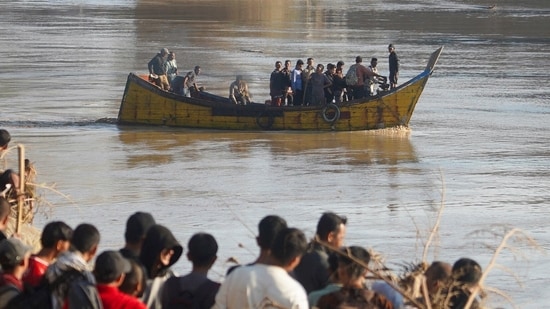
Homes, roads, and bridges were destroyed, leaving communities cut off as emergency teams struggled to reach remote areas. As rescue efforts continued, authorities reported the death toll rising to 248, with many still missing and thousands displaced.
Relief operations are ongoing as officials work to provide shelter, food, and medical aid to survivors across the affected regions.
What triggered the deadly floods that claimed nearly 250 lives?
A combination of relentless monsoon rains and natural calamities left large parts of North and West Sumatra reeling on Saturday, as rescue teams fought to reach communities cut off by destruction.
The disaster intensified due to a powerful combination of floods, an earthquake, and a tsunami striking the coastal and inland areas of the island, according to a report by news agency AP. The death toll is expected to climb further as hundreds remain missing and entire regions are still inaccessible.
ALSO READ | Cyclone Ditwah: Schools and colleges in Puducherry to remain shut on Saturday
{{/usCountry}}ALSO READ | Cyclone Ditwah: Schools and colleges in Puducherry to remain shut on Saturday
{{/usCountry}}Much of the devastation was around Central Tapanuli district in North Sumatra province, where damaged roads, destroyed bridges, and severed communication lines isolated residents from outside help, said the report. Relief aircraft were air-dropping food, medical supplies, and tents while rescuers battled through mud and debris with limited equipment.
ALSO READ | Over 80 dead as Cyclone Ditwah triggers massive flooding, landslides in Sri Lanka
In West Sumatra’s Agam district, teams recovered more bodies as rivers continued to overflow. The National Disaster Management Agency said continuous rainfall over the past week had caused hillsides to collapse and rivers to burst their banks, sending torrents of water barreling through villages, as per the report. Wooden homes were swept away, and streets turned into raging currents that submerged thousands of buildings.
ALSO READ | Thailand floods death toll jumps to 145; government faces mounting anger
More than 3,000 families sought safety in temporary government shelters, unsure when they might return home. As emergency crews pushed deeper into isolated regions, officials warned that Indonesia’s frequent exposure to extreme weather and seismic activity demands stronger disaster preparedness and early warning systems.
(With inputs from AP)