
Global oil demand is set for a deeper contraction this year as renewed hostilities in the Middle East and disruptions at key shipping chokepoints derail the recovery in supplies, pushing up fuel prices and weighing on consumption, the International Energy Agency said.
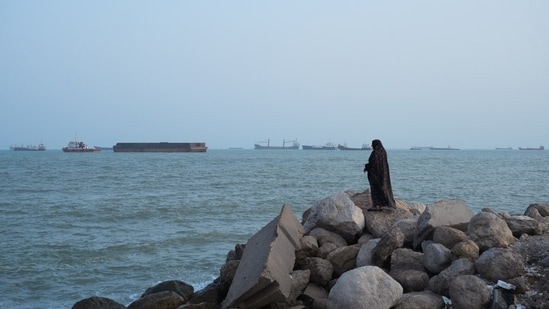
The energy watchdog—a group of Western nations and their allies—now expects global oil consumption to fall by 1.6 million barrels a day in 2026, compared with its previous forecast for a 1-million-barrel-a-day decline. Demand is forecast to fall
Global oil demand is set for a deeper contraction this year as renewed hostilities in the Middle East and disruptions at key shipping chokepoints derail the recovery in supplies, pushing up fuel prices and weighing on consumption, the International Energy Agency said.
The energy watchdog—a group of Western nations and their allies—now expects global oil consumption to fall by 1.6 million barrels a day in 2026, compared with its previous forecast for a 1-million-barrel-a-day decline. Demand is forecast to fall by 2.8 million barrels a day in the third quarter following a 4.9-million-barrel-a-day drop in the second quarter, before returning to growth in the final three months of the year.
While the pace of contraction is easing, persistent disruptions are tightening the near-term market balance. The IEA expects the global oil market to run a deficit of 1.8 million barrels a day in the third quarter, more than double its previous estimate of roughly 800,000 barrels a day.
Meanwhile, tighter product markets pushed Atlantic Basin refining margins to record highs in July, as stronger seasonal demand for diesel, jet fuel and gasoline collided with supply shortfalls and depleted inventories.
“The continued closure of the Strait of Hormuz disrupts international supply chains and curtails product availability,” the agency said in its closely watched monthly report on Wednesday. “Elevated fuel prices are putting further downward pressure on oil use.”
Global oil supply rose by 2.4 million barrels a day in July to 101.5 million barrels a day, but remained 6.3 million barrels a day below year-earlier levels, with 8.3 million barrels a day of Gulf production still shut in. Regional exports—including routes bypassing Hormuz—fell by 2.1 million barrels a day to 15 million barrels a day. Oil loadings swung sharply during the month, reaching 20 million barrels a day in early July before falling to roughly 12 million barrels a day later in the month.
For the full year, the IEA now expects global supply to decline by 4.3 million barrels a day, deeper than its previous forecast for a 3.7 million-barrel-a-day drop. It expects the market to return to surplus toward the end of the year, but warned that risks remain substantial and the need to reopen the Strait is becoming more urgent as previously available inventory buffers are rapidly depleted.
Global oil inventories fell sharply in July, by 2.2 million barrels a day, largely because of a steep decline in oil held at sea. Total observed stocks fell below 7.9 billion barrels by month-end, their lowest level since April 2025.
The overall outlook improves sharply in 2027, when global oil demand is expected to return to growth, rising by 2.4 million barrels a day. The recovery is expected to be driven by the normalization of supply chains, lower oil prices and stronger global economic growth, which the IEA estimates will accelerate by half a percentage point to 3.4%.
Global supply is expected to surge by around 8.3 million barrels a day, led by a 5.8 million-barrel-a-day increase from OPEC and its allies and a 2.5 million-barrel-a-day gain from producers outside the group, according to the agency.
Oil prices rose Wednesday as talks to reopen the Strait of Hormuz showed little progress and President Trump has renewed his focus on sanctions and the U.S. blockade to strain Tehran’s economy. Brent crude was around $89 a barrel in midmorning European trading, while West Texas Intermediate just above $83.
Control of the strait, through which roughly a fifth of the world’s oil used to pass, has become a central sticking point in efforts to de-escalate hostilities. The Iran-backed Houthi militia in Yemen has also threatened Saudi shipping in the Red Sea, putting pressure on a route Saudi Arabia has used to bypass Hormuz.
Write to Giulia Petroni at giulia.petroni@wsj.com
One Subscription.
Get 360° coverage—from daily headlines
to 100 year archives.
Archives
HT App & Website