Richard Branson’s acquisition of a small Caribbean island began as an unconventional idea and later turned into an extended conservation venture. The uninhabited stretch of land in the British Virgin Islands became a private resort called Necker Island, famous for its high-end accommodation, exotic surroundings, and conservation initiatives to protect the island's wildlife.
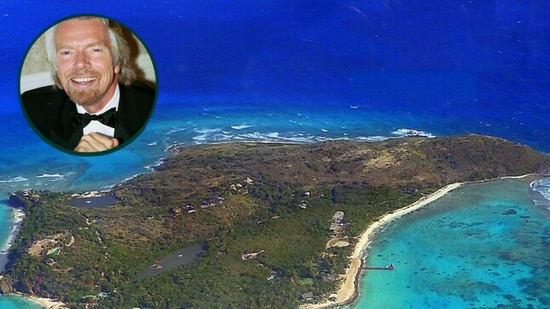
According to Richard Branson’s personal account, he purchased the 74-acre Necker Island in 1978 for approximately $180,000 after learning that the property was on the market and that the island was undeveloped at the time. One reason he bought the island was to impress a woman named Joan Templeman, who later became his wife.
From an undeveloped island to a Caribbean retreat
Branson said he first wanted to see the property because he hoped to impress the woman he had fallen for. A realtor gave him the chance to travel to the British Virgin Islands, and he agreed on the condition that he could bring a guest. Although he could not afford to buy an island, he became interested in Necker after seeing it. The asking price was initially higher, but Branson eventually bought it for $180,000. There is, however, a catch: he was obliged to build a resort there within four years. Buying this property entailed the necessity of having an Alien Land Holding License, as official permission to be able to own land in the British Virgin Islands.
Building up the property turned out to be more challenging than acquiring it. Necker did not have all the facilities needed to operate as a resort. Turning the raw land into a luxury resort required significant investment. The project was later incorporated into Virgin Limited Edition, a collection of luxury hotels and resorts within the Virgin Group. The island became especially meaningful to Branson: 11 years after buying it, he married Joan Templeman there in front of family and friends.
More than 140 animal species find a home
{{/usCountry}}Building up the property turned out to be more challenging than acquiring it. Necker did not have all the facilities needed to operate as a resort. Turning the raw land into a luxury resort required significant investment. The project was later incorporated into Virgin Limited Edition, a collection of luxury hotels and resorts within the Virgin Group. The island became especially meaningful to Branson: 11 years after buying it, he married Joan Templeman there in front of family and friends.
More than 140 animal species find a home
{{/usCountry}}Other than the luxurious aspect of the resort, Necker has also come up with an interesting program for wildlife conservation. The island is home to 140 species, about 70% of which are critically endangered. It includes lemurs, giant tortoises, flamingos, and lizards. The lemurs are native to Madagascar and are on the brink of extinction because of the destruction of their habitat, deforestation, and poaching. Therefore, Necker wildlife conservation team has created ideal conditions for survival and breeding.
Flamingos have also become an important part of the island’s conservation story. As recorded in a PBS documentary, the team on the island brought 25 flamingos from Jamaica and waited for the birds to settle down into a breeding colony. The first chick was born in 2010, and since then more than 2,000 flamingo chicks have been recorded, providing the necessity of creating proper conditions for the reproduction of animals. Aldabra giant tortoises have made another important step in their history. The island recorded its first naturally born tortoise hatchlings in 2021.
Conservation efforts and the challenges ahead
Necker’s wildlife program reflects a broader conservation approach that combines habitat management, animal care, and controlled breeding. A study published in Biodiversity and Conservation examined the restocking of captive-bred ruffed lemurs in the Betampona Reserve in Madagascar. The research highlights the challenges involved in establishing a population of captive-bred animals in a natural habitat, including the need to assess their health, behavior, and ability to adapt to new surroundings. However, introducing an endangered species into a protected area does not guarantee its recovery. Conservationists must also consider whether the animals can survive, reproduce, and establish a viable population over time.
Another point about conserving animals in the case of private islands is that it is different from the process of restoring their original habitat, especially when risks like deforestation and poaching are still taking place. Necker’s environmental efforts extend beyond wildlife conservation: the island uses renewable energy such as solar and wind power and aims to improve resource management and reduce its environmental impact. Its conservation work also connects to community programs in the British Virgin Islands through Virgin Unite.