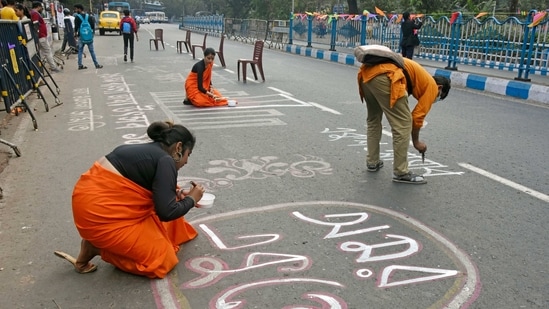
International Mother Language Day is observed globally on February 21 each year to promote linguistic and cultural diversity and multilingualism. According to the United Nations, this day recognises that “languages and multilingualism can advance inclusion and the Sustainable Development Goals’ focus on leaving no one behind".
Also Read| India’s new agenda for social justice
Theme and significance:
This year’s theme is “Multilingual education – a necessity to transform education". It is observed globally that 40 per cent of the population does not have access to an education in a language they speak or understand. The UN noted that every two weeks a language disappears taking with it an entire cultural and intellectual heritage.
At least 43% of the estimated 6,000 languages spoken in the world are endangered. Only a few hundred languages have genuinely been given a place in education systems and the public domain, and less than a hundred are used in the digital world.
History:
{{/usCountry}}History:
{{/usCountry}}International Mother Language Day was first announced by the General Conference of the United Nations Educational, Scientific and Cultural Organization (UNESCO) in November 1999 but it was formally recognised by the UN General Assembly in its resolution of 2002. It was Bangladesh that had put forward this idea to celebrate one’s mother language.
The General Assembly announced 2008 as the International Year of Languages, to promote unity in diversity and international understanding, through multilingualism and multiculturalism and named UNESCO to serve as the lead agency for the Year.