
 E-Paper



Iran's missiles vs arrows: How Israel's air defence is intercepting attack
Israel's aerial defense includes David's Sling for mid-range missiles, Iron Dome for short-range rockets, and upcoming laser technology.

 Prefer HTon Google


Iran fired a barrage of missiles at Israel today, as retaliation for the killing of Hezbollah leader Hassan Nasrallah. Hundreds of missiles were seen flying over Israeli cities are residents scrambled to bomb shelters. According to local media, Iran has fired over 200 ballistic missiles at Israel.
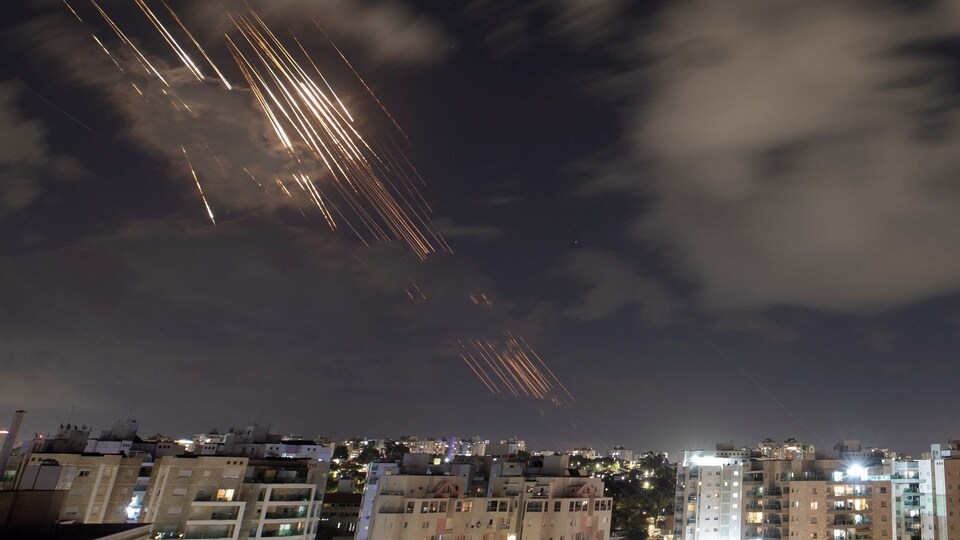
But the Israeli military appeared confident that their air defence system, meticulously developed since the 1991 Gulf War, could intercept the attack and prevent any major damage.
"Iran's attack is continuing. You are requested to remain in a protected space until further notice. The explosions you are hearing are from interceptions or fallen projectiles," the Israeli defence forces (IDF) said in a statement.
"The Aerial Defense Array is currently identifying and intercepting launches," it added.
Here are details of the multi-layered air defences Israel possess, and that are currently engaged in intercepting Iranian missiles.
Arrow
The Arrow missile defence system, comprising Arrow-2 and Arrow-3, is designed to intercept ballistic missiles beyond the earth's atmosphere. The long-range system was developed with the Iran missile threat in mind. It employs a detachable warhead that collides with its target, neutralising potential threats before they can reach populated areas. Developed in collaboration with Boeing, Arrow has recently gained international traction; on September 28, Germany signed a letter of commitment to purchase the Arrow-3 system for nearly $4.2 billion.
Watch: LIVE | Iran Missile Attack On Israel Starts: US Alerts IDF Amid Lebanon Invasion | Hezbollah
David's Sling
For mid-range threats, Israel relies on David's Sling, capable of intercepting missiles at ranges of 100 to 200 kilometers. Jointly developed by Rafael Advanced Defense Systems and Raytheon, this system also targets aircraft, drones, and cruise missiles, enhancing Israel's versatility in aerial defence.
Iron Dome
The Iron Dome system provides critical protection against short-range threats, such as the rockets frequently launched by Hamas from Gaza.
The system determines whether a rocket is on course to hit a populated area; if not, the rocket is ignored and allowed to land harmlessly.
Iron Dome was originally billed as providing city-sized coverage against rockets with ranges of between 4 and 70 km, but experts say this has since been expanded.
Laser-based system
In addition to these established systems, Israel is advancing a laser-based interception technology, projected to cost approximately $2 per interception. This development could revolutionize aerial defense by significantly lowering costs while maintaining effectiveness against enemy rockets and drones.


