...
...
Next Story

Iran’s Mysterious Ruler Signals a Hard Line on Trump With New Leadership

Mojtaba Khamenei overhauled the country’s security chiefs, putting his stamp on a government he took over after the war began.

Published on: Aug 11, 2026, 15:33:22 IST
WSJ
Advertisement

When the U.S. and Israel began airstrikes on Iran in February, the attacks killed Supreme Leader Ali Khamenei and almost his entire team of security chiefs, wiping out a generation of decisionmakers on military policy.
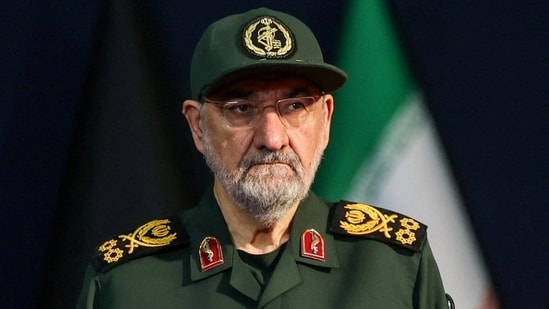
PREMIUMMohsen Rezaei was named the secretary of Iran’s Supreme National Security Council—chief among the new leaders named by the country’s new supreme leader.
Mohsen Rezaei was named the secretary of Iran’s Supreme National Security Council—chief among the new leaders named by the country’s new supreme leader.

Now, the new supreme leader, Khamenei’s son Mojtaba, is putting his own stamp on the country’s national-security policy amid a confrontation with the U.S. that could last months or even years.

In a sweeping overhaul of the government’s top echelon on Sunday and Monday,

Analysts said the appointments signaled Khamenei’s determination to hold fast in a showdown with President Trump, who is seeking concessions on its nuclear program and the Strait of Hormuz.

“The regime is preparing for a more confrontational posture at home and abroad,” said Kasra Aarabi, an expert on the Islamic Revolutionary Guard Corps, a powerful paramilitary force, at United Against Nuclear Iran, a policy organization that opposes Iran’s government.

Chief among the new leaders is Mohsen Rezaei, now the secretary of Iran’s Supreme National Security Council and former commander of the Revolutionary Guard. A national figure who ran for president multiple times, Rezaei was the Revolutionary Guard’s longest-serving chief and led the paramilitary force through the war with Iraq in the 1980s.

The new leader of the Revolutionary Guard is Brig. Gen. Ahmad Vahidi, a forceful opponent of making concessions to the U.S. And Mojtaba Khamenei named Hossein Taeb to be commander of the Basij, a volunteer force tasked with repressing protests and other dissent against the regime. A longtime protégé of Khamenei, Taeb also led the Basij during a bloody crack down on protests in 2009.

Ahmad Vahidi is the new leader of the Islamic Revolutionary Guard Corps.

Rezaei, Vahidi and Taeb all succeed officials killed in the war, as did four other commanders named on Monday, including the head of the Revolutionary Guard’s navy, a division that has played a leading role in attacking ships in Hormuz.

In a sign of Rezaei’s new power, Khamenei also appointed him as his personal representative on the Supreme National Security Council, the body tasked with deciding the most important military and diplomatic matters. Until now, Rezaei was a top military adviser to the Supreme Leader.

Rezaei, 71 years old, has shown no inclination to compromise on opening the Strait of Hormuz, an artery vital to the oil industry. Over the weekend, he said Iran wouldn’t agree to any corridor through the waterway that it doesn’t control. Experts and mediators said he might be able to help Iran speak with a more unified voice.

Iran’s negotiations have whipsawed through repeated reversals as political leaders and security services clashed. The Supreme National Security Council has been weighing the deal for days but has been unable to reach a consensus.

Rezaei replaces Mohammad Bagher Zolghadr, 72, a low-key yet longtime high-ranking intelligence operative, as secretary of the council.

“Khamenei needs a stronger figure at the security council who can forge consensus across the government and the security establishment,” said Sina Toossi, an Iran-focused fellow at the Center for International Policy, a Washington think tank.

“Rezaei can deliver that as a former longtime IRGC commander and veteran political operator,” Toossi added, using the acronym for the Revolutionary Guard.

Born in 1954 in Masjed Soleyman in southwestern Iran and trained as a mechanical engineer, Rezaei joined al-Mansouroun, a guerrilla group fighting the Shah’s regime that became a proving ground for Iran’s future security establishment. Zolghadr, his immediate predecessor, and Ali Shamkhani, a long-serving secretary of the council who was killed Feb. 28, all earned their stripes in the group.

After joining the Islamic revolution that toppled the Shah in 1979, Rezaei joined the Revolutionary Guard during Iran’s war with Iraq, becoming its commander in chief in 1981 and leading the paramilitary group for 16 years.

While he was the Revolutionary Guard’s top commander, Argentine authorities alleged he was involved in the 1994 suicide bombing of a Jewish cultural center in Buenos Aires that killed 85.

He was removed from the command of the Revolutionary Guard in 1997 by reformist President Mohammad Khatami. He also clashed with Khatami’s successor, firebrand Mahmoud Ahmadinejad, disapproving of his populist economic policies and aggressive provocations against the West, according to U.S. diplomatic cables.

Under Ahmadinejad, Rezaei emerged as a key member of a group of pragmatic conservatives, retired Revolutionary Guards who wanted to preserve the Islamic Republic but who also promoted cautious engagement with the West, according to a 2009 Defense Department report.

Rezaei’s decades navigating Iran’s changing political waters have given him an adaptive streak. Speaking by videoconference to a gathering of pro-government Iranian students in London in 2012, Rezaei was asked how Iran would respond if it was attacked by Israel.

“There would be at least 10,000 casualties in Israel,” he told his audience, with a fiery tone.

When a Wall Street Journal reporter asked him in an interview afterward about a proposal to make Iran’s nuclear program less threatening by bringing in a foreign operator—an idea fiercely opposed by the country’s hard-liners—he showed flexibility.

“We are interested in bilateral relations with foreign companies,” he said. “Enrichment does not have to be inside Iran.”

Though he was seen as a pragmatist in the days before the war, he has sounded a defiant tone while working for Mojtaba Khamenei, calling Trump “unhinged” and demanding Washington surrender on Iran’s terms.

His appointment may signal “more as an effort by the system to balance, contain, or marginalize those who favor maintaining the ceasefire or moving toward some kind of accommodation,” said Saeid Golgar, an expert on Iran’s security services at the University of Tennessee in Chattanooga.

Behnam Ben Taleblu, a senior director of the Iran program at the Foundation for Defense of Democracies, said Rezaei’s appointment to replace another septuagenarian showed the government was unable to rejuvenate its ranks.

“The Islamic Republic is merely arranging deck chairs on the Titanic,” said Ben Taleblu, whose think tank advocates hard-line policies on Iran’s government.

Write to Benoit Faucon at benoit.faucon@wsj.com

When the U.S. and Israel began airstrikes on Iran in February, the attacks killed Supreme Leader Ali Khamenei and almost his entire team of security chiefs, wiping out a generation of decisionmakers on military policy.

PREMIUMMohsen Rezaei was named the secretary of Iran’s Supreme National Security Council—chief among the new leaders named by the country’s new supreme leader.
Mohsen Rezaei was named the secretary of Iran’s Supreme National Security Council—chief among the new leaders named by the country’s new supreme leader.

Now, the new supreme leader, Khamenei’s son Mojtaba, is putting his own stamp on the country’s national-security policy amid a confrontation with the U.S. that could last months or even years.

In a sweeping overhaul of the government’s top echelon on Sunday and Monday, Iran named seasoned hard-liners to run the country’s security policies and institutions of repression.

It marked the most significant government reshuffle under Khamenei, who hasn’t been seen in public since the war began. U.S. intelligence agencies say he is alive but severely injured, and top Iranian cabinet members say they have never met him since he took office. Iranian officials say he was injured but in good health.

Analysts said the appointments signaled Khamenei’s determination to hold fast in a showdown with President Trump, who is seeking concessions on its nuclear program and the Strait of Hormuz.

“The regime is preparing for a more confrontational posture at home and abroad,” said Kasra Aarabi, an expert on the Islamic Revolutionary Guard Corps, a powerful paramilitary force, at United Against Nuclear Iran, a policy organization that opposes Iran’s government.

Chief among the new leaders is Mohsen Rezaei, now the secretary of Iran’s Supreme National Security Council and former commander of the Revolutionary Guard. A national figure who ran for president multiple times, Rezaei was the Revolutionary Guard’s longest-serving chief and led the paramilitary force through the war with Iraq in the 1980s.

The new leader of the Revolutionary Guard is Brig. Gen. Ahmad Vahidi, a forceful opponent of making concessions to the U.S. And Mojtaba Khamenei named Hossein Taeb to be commander of the Basij, a volunteer force tasked with repressing protests and other dissent against the regime. A longtime protégé of Khamenei, Taeb also led the Basij during a bloody crack down on protests in 2009.

Ahmad Vahidi is the new leader of the Islamic Revolutionary Guard Corps.

Rezaei, Vahidi and Taeb all succeed officials killed in the war, as did four other commanders named on Monday, including the head of the Revolutionary Guard’s navy, a division that has played a leading role in attacking ships in Hormuz.

In a sign of Rezaei’s new power, Khamenei also appointed him as his personal representative on the Supreme National Security Council, the body tasked with deciding the most important military and diplomatic matters. Until now, Rezaei was a top military adviser to the Supreme Leader.

Rezaei, 71 years old, has shown no inclination to compromise on opening the Strait of Hormuz, an artery vital to the oil industry. Over the weekend, he said Iran wouldn’t agree to any corridor through the waterway that it doesn’t control. Experts and mediators said he might be able to help Iran speak with a more unified voice.

Iran’s negotiations have whipsawed through repeated reversals as political leaders and security services clashed. The Supreme National Security Council has been weighing the deal for days but has been unable to reach a consensus.

Rezaei replaces Mohammad Bagher Zolghadr, 72, a low-key yet longtime high-ranking intelligence operative, as secretary of the council.

“Khamenei needs a stronger figure at the security council who can forge consensus across the government and the security establishment,” said Sina Toossi, an Iran-focused fellow at the Center for International Policy, a Washington think tank.

“Rezaei can deliver that as a former longtime IRGC commander and veteran political operator,” Toossi added, using the acronym for the Revolutionary Guard.

Born in 1954 in Masjed Soleyman in southwestern Iran and trained as a mechanical engineer, Rezaei joined al-Mansouroun, a guerrilla group fighting the Shah’s regime that became a proving ground for Iran’s future security establishment. Zolghadr, his immediate predecessor, and Ali Shamkhani, a long-serving secretary of the council who was killed Feb. 28, all earned their stripes in the group.

After joining the Islamic revolution that toppled the Shah in 1979, Rezaei joined the Revolutionary Guard during Iran’s war with Iraq, becoming its commander in chief in 1981 and leading the paramilitary group for 16 years.

While he was the Revolutionary Guard’s top commander, Argentine authorities alleged he was involved in the 1994 suicide bombing of a Jewish cultural center in Buenos Aires that killed 85.

He was removed from the command of the Revolutionary Guard in 1997 by reformist President Mohammad Khatami. He also clashed with Khatami’s successor, firebrand Mahmoud Ahmadinejad, disapproving of his populist economic policies and aggressive provocations against the West, according to U.S. diplomatic cables.

Under Ahmadinejad, Rezaei emerged as a key member of a group of pragmatic conservatives, retired Revolutionary Guards who wanted to preserve the Islamic Republic but who also promoted cautious engagement with the West, according to a 2009 Defense Department report.

Rezaei’s decades navigating Iran’s changing political waters have given him an adaptive streak. Speaking by videoconference to a gathering of pro-government Iranian students in London in 2012, Rezaei was asked how Iran would respond if it was attacked by Israel.

“There would be at least 10,000 casualties in Israel,” he told his audience, with a fiery tone.

When a Wall Street Journal reporter asked him in an interview afterward about a proposal to make Iran’s nuclear program less threatening by bringing in a foreign operator—an idea fiercely opposed by the country’s hard-liners—he showed flexibility.

“We are interested in bilateral relations with foreign companies,” he said. “Enrichment does not have to be inside Iran.”

Though he was seen as a pragmatist in the days before the war, he has sounded a defiant tone while working for Mojtaba Khamenei, calling Trump “unhinged” and demanding Washington surrender on Iran’s terms.

His appointment may signal “more as an effort by the system to balance, contain, or marginalize those who favor maintaining the ceasefire or moving toward some kind of accommodation,” said Saeid Golgar, an expert on Iran’s security services at the University of Tennessee in Chattanooga.

Behnam Ben Taleblu, a senior director of the Iran program at the Foundation for Defense of Democracies, said Rezaei’s appointment to replace another septuagenarian showed the government was unable to rejuvenate its ranks.

“The Islamic Republic is merely arranging deck chairs on the Titanic,” said Ben Taleblu, whose think tank advocates hard-line policies on Iran’s government.

Write to Benoit Faucon at benoit.faucon@wsj.com

All Access.
One Subscription.

Get 360° coverage—from daily headlines
to 100 year archives.

E-Paper
Full
Archives
Full Access to
HT App & Website
Games
 
Get the latest World News, breaking headlines and global updates from the US, UK, Pakistan, Bangladesh, Russia and other countries. Follow major international events on Hindustan Times.
SHARE THIS ARTICLE ON
Hindustantimes wants to start sending you push notifications. Click allow to subscribe