...
...
Next Story

Jensen Huang’s Offense Wasn’t Infidelity

He and Trump want to ignore export controls. Nvidia’s board can’t.

Published on: Nov 18, 2026, 08:46:33 IST
WSJ
Advertisement

Jensen Huang says he’ll return to the helm of Nvidia if the board will have him, and President Trump endorses the idea. Mr. Huang says he made a “serious mistake” in his personal life, and Mr. Trump says the former CEO has learned “a big lesson.”
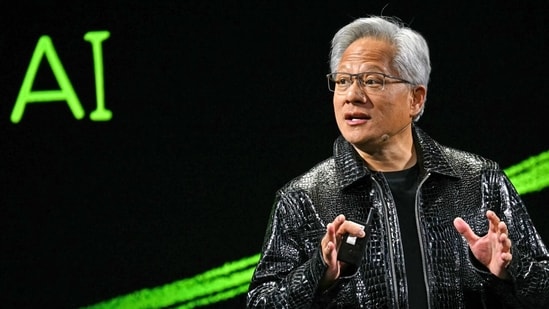
PREMIUMJensen Huang
Jensen Huang

They both seem to think the mistake was infidelity, and canoodling with a woman who might be a Chinese spy. Whatever those sins, the real problem is that Nvidia under Mr. Huang seems to

Deep Dive

Why does the Nvidia controversy go beyond Jensen Huang’s affair?

The central concern is whether Nvidia chips reached China in violation of U.S. export controls. The articles describe alleged diversion through cloud providers and say lawmakers are examining Nvidia’s compliance and national-security practices.

How did Chinese companies access Nvidia chips through cloud providers?

Chinese companies could rent AI computing power from data centers outside China that used advanced U.S. chips. The new rules require licenses for certain large-scale computing services provided to Chinese companies.

Why does the U.S. restrict exports of advanced Nvidia AI chips?

The articles say advanced AI has defense and cybersecurity implications, and that keeping China from easy access to the most advanced chips may help the U.S. maintain its lead in AI and cybersecurity.
Powered ByAsk HT

Mr. Trump seems to think closing the export loophole might sour his meeting this week with Chinese President Xi Jinping. “I don’t think you want to insult China just before you get there,” he said of the restrictions. But how does safeguarding U.S. security insult China? These controls are the law of the land, as Treasury Secretary Scott Bessent made clear on Monday in saying they weren’t adequately enforced.

Shortly before leaving office, the Biden team restricted shipments of Nvidia’s high-powered chips to most non-Western countries. But Commerce Secretary Howard Lutnick rolled back the restrictions last spring, which allowed Chinese AI companies to access Nvidia’s top-line chips through cloud providers like Ms. Huang’s former company, Megaspeed.

Recent reports say Mr. Trump’s security advisers pushed to close export loopholes but were rebuffed by Mr. Lutnick. Mr. Huang also lobbied against doing so. “The fundamental assumptions” behind the controls, he said in May 2025, have “been proven to be fundamentally flawed.” Recent events show they were prudent.

Mr. Trump’s national-security team finally appeared to gain the upper hand with Monday’s restrictions on sales of Nvidia’s advanced chips to Singapore, Malaysia, Thailand, Indonesia and Brazil. By one estimate, this could reduce the expected growth of China’s AI compute capacity by a third.

AI is a powerful technology with defense and cyber-security implications. It would be nice to think that by sending China all the Nvidia chips it wants, Mr. Trump could also buy Mr. Xi’s cooperation against the misuse of China’s open-weight AI models by bad actors.

But there’s no evidence China wants to cooperate. That means the best U.S. protection, perhaps the only protection, from Iran and other cyber-terrorists is to stay in the lead in the AI and cyber-security race. Denying China easy access to the most advanced chips is one way to keep the U.S. in the lead.

The fall of Jensen Huang is a shame, and it may well harm the AI ecosystem that he built with Nvidia chips and cash. But Congress gave Commerce authority to impose chip export controls for a good reason. If Mr. Huang can get away with ignoring them, then everybody will think they can.

Jensen Huang says he’ll return to the helm of Nvidia if the board will have him, and President Trump endorses the idea. Mr. Huang says he made a “serious mistake” in his personal life, and Mr. Trump says the former CEO has learned “a big lesson.”

PREMIUMJensen Huang
Jensen Huang

They both seem to think the mistake was infidelity, and canoodling with a woman who might be a Chinese spy. Whatever those sins, the real problem is that Nvidia under Mr. Huang seems to have looked the other way as its high-powered AI chips were sent to China in violation of U.S. export controls. That’s the real reason the board can’t take him back without creating enormous liability risk.

It’s hard to know what Mr. Trump is thinking since his Administration is on both sides of the issue. On Monday the government tightened a loophole in export controls that Nvidia exploited with the apparent help of Mr. Huang’s paramour, Alice Huang (no relation). But the same day the President suggested the export controls are too tough and evading them no big deal.

Deep Dive

Why does the Nvidia controversy go beyond Jensen Huang’s affair?

The central concern is whether Nvidia chips reached China in violation of U.S. export controls. The articles describe alleged diversion through cloud providers and say lawmakers are examining Nvidia’s compliance and national-security practices.

How did Chinese companies access Nvidia chips through cloud providers?

Chinese companies could rent AI computing power from data centers outside China that used advanced U.S. chips. The new rules require licenses for certain large-scale computing services provided to Chinese companies.

Why does the U.S. restrict exports of advanced Nvidia AI chips?

The articles say advanced AI has defense and cybersecurity implications, and that keeping China from easy access to the most advanced chips may help the U.S. maintain its lead in AI and cybersecurity.
Powered ByAsk HT

Mr. Trump seems to think closing the export loophole might sour his meeting this week with Chinese President Xi Jinping. “I don’t think you want to insult China just before you get there,” he said of the restrictions. But how does safeguarding U.S. security insult China? These controls are the law of the land, as Treasury Secretary Scott Bessent made clear on Monday in saying they weren’t adequately enforced.

Shortly before leaving office, the Biden team restricted shipments of Nvidia’s high-powered chips to most non-Western countries. But Commerce Secretary Howard Lutnick rolled back the restrictions last spring, which allowed Chinese AI companies to access Nvidia’s top-line chips through cloud providers like Ms. Huang’s former company, Megaspeed.

Recent reports say Mr. Trump’s security advisers pushed to close export loopholes but were rebuffed by Mr. Lutnick. Mr. Huang also lobbied against doing so. “The fundamental assumptions” behind the controls, he said in May 2025, have “been proven to be fundamentally flawed.” Recent events show they were prudent.

Mr. Trump’s national-security team finally appeared to gain the upper hand with Monday’s restrictions on sales of Nvidia’s advanced chips to Singapore, Malaysia, Thailand, Indonesia and Brazil. By one estimate, this could reduce the expected growth of China’s AI compute capacity by a third.

AI is a powerful technology with defense and cyber-security implications. It would be nice to think that by sending China all the Nvidia chips it wants, Mr. Trump could also buy Mr. Xi’s cooperation against the misuse of China’s open-weight AI models by bad actors.

But there’s no evidence China wants to cooperate. That means the best U.S. protection, perhaps the only protection, from Iran and other cyber-terrorists is to stay in the lead in the AI and cyber-security race. Denying China easy access to the most advanced chips is one way to keep the U.S. in the lead.

The fall of Jensen Huang is a shame, and it may well harm the AI ecosystem that he built with Nvidia chips and cash. But Congress gave Commerce authority to impose chip export controls for a good reason. If Mr. Huang can get away with ignoring them, then everybody will think they can.

All Access.
One Subscription.

Get 360° coverage—from daily headlines
to 100 year archives.

E-Paper
Full
Archives
Full Access to
HT App & Website
Games
 
Get the latest World News, breaking headlines, and real-time coverage from key global hotspots, including the US News, Russia, Ukraine, Iran News, and the UAE News. Track developing conflicts, high-stakes diplomacy, and major international events on Hindustan Times.
SHARE THIS ARTICLE ON
Notifications

Get breaking alerts directly from the newsroom

Notifications are on!You'll be notified when news breaks