The first red phone booth installed in 1924 in Piccadilly that became a prototype for thousands across London and elsewhere was on Friday listed as a Grade II* structure, which ensures special protection measures to retain its iconic status.
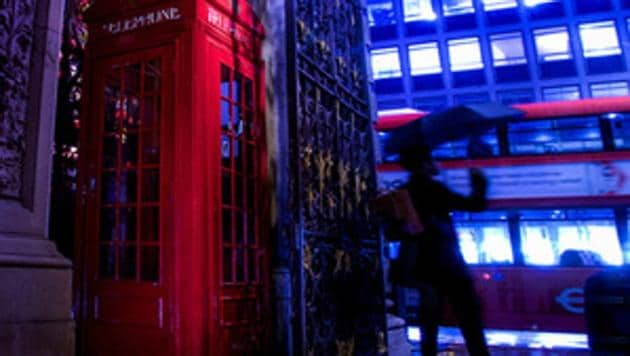
The world has moved on since the booth was installed outside the Royal Academy. The red phone booths may be objects of curiosity and attraction for tourists in the digital age, but are as much a British icon as the Queen, Big Ben and Shakespeare.
The first booth was built as part of a competition for the iconic design to replace an unpopular structure introduced in 1921. It was created with timber by architect Giles Gilbert Scott, and judged as the ‘most suitable for erection in busy thoroughfares of large towns’.
The booth’s pioneering status is known but the Grade II* listing is intended to better recognise its more than special architectural and historic value. A small number of clones were placed outside London and just over 200 survive today.
Heritage minister Helen Whately said: “The red telephone box is an internationally famous British icon and I am delighted that we are able to protect the first of its kind. In an increasingly digital world, it is important to preserve structures that have played a part in our nation’s industrial story”.
{{/usCountry}}Heritage minister Helen Whately said: “The red telephone box is an internationally famous British icon and I am delighted that we are able to protect the first of its kind. In an increasingly digital world, it is important to preserve structures that have played a part in our nation’s industrial story”.
{{/usCountry}}Scott’s winning design was originally intended to be made of steel and painted silver with a blue-green interior, but the General Post Office chose to make it of cast-iron and red paint.
Over the years, other models were adopted. Once, there were 92,000 booths across the UK and queues were a familiar sight, with some impatient customers tapping the glass, urging callers to get on with it. Now they are no longer cost effective to its owner, British Telecom.
Many remain unused for the purposes they were created, now increasingly home to the original messengers, the pigeons or gathering junk and worse. Some entrepreneurs have adopted them and turned them into libraries and places to charge mobile phones.