
 E-Paper



Netanyahu Finds Diminished Welcome From Trump as Iran War Drags On
Before the two leaders met, the Trump administration pressed the Israeli prime minister to show he was serious about advancing peace talks in Lebanon and Gaza.


 Prefer HTon Google


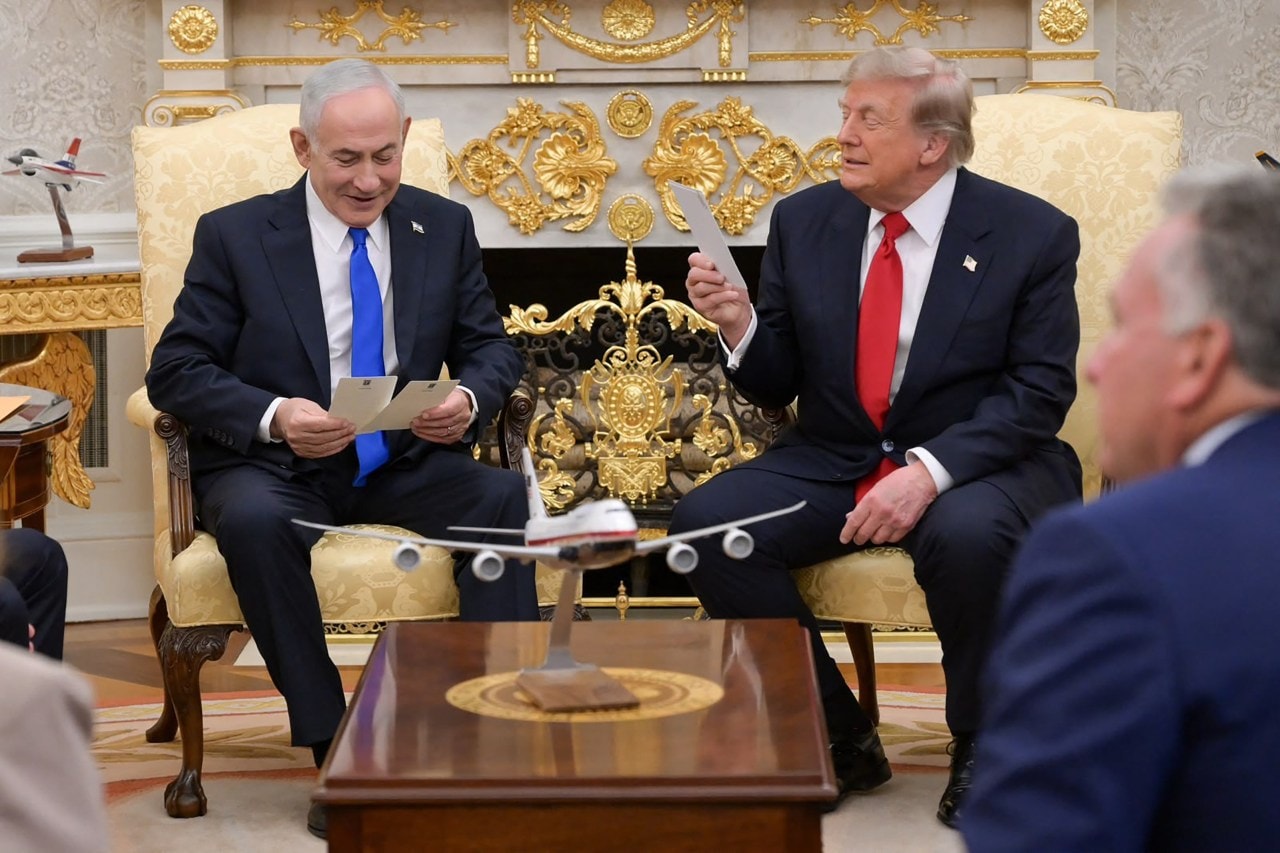
President Trump and Israeli Prime Minister Benjamin Netanyahu met at the White House Tuesday, navigating a growing rift five months after the two launched a war on Iran that has proven far more complex than either imagined.
Tensions between the two had simmered for weeks. It was unclear until late last week that Trump would even entertain a meeting with Netanyahu. To secure an audience, the Trump administration pressed the Israeli leader to take steps to show he was serious about advancing U.S.-brokered peace talks in Lebanon and Gaza, according to officials and people familiar with the matter.
And then hours before the meeting Tuesday, Trump appeared to bristle at the possibility that Israel was publicly trying to pressure the White House to continue the Iran war. He said in a Fox News interview that an Iranian site known as Pickaxe Mountain, a focus of recent Israeli intelligence, was “not a big problem.”
When the roughly hourlong meeting concluded, Netanyahu described the meeting as “one of the best conversations” he has ever had with the U.S. president. A senior White House official said Trump had a strong relationship with Netanyahu and praised Israel for helping the U.S. blunt Iran’s ability to develop a nuclear weapon.
Despite these statements, neither side offered a clear signal about the White House’s near-term Iran strategy and what role Israel would play in it.
Facing mounting criticism at home ahead of upcoming elections, Netanyahu had sought for months to get a meeting with Trump. He arrived in Washington with significantly less clout and influence than he had on past visits, officials said, and came highly attuned to what the president would want to discuss—or what would set him off. Sen. Lindsey Graham’s recent death was also a major blow to the Israeli leader, as the South Carolina Republican had long served as an intermediary between Netanyahu and Trump.
Netanyahu’s political problems in the U.S. had been growing for months, as he faces pushback from Trump’s fellow Republicans as well as Democrats.
Before his visit, Trump voiced frustrations at Netanyahu behind closed-doors to confidantes and in public interviews as the Iran conflict dragged on, officials said.
Points of strain in the U.S.-Israeli relationship include the conflicts in Gaza and in Lebanon between Israel and Iran-backed Hezbollah forces.
To secure the meeting with Trump, Netanyahu agreed to pull back Israeli forces from “pilot zones” in southern Lebanon, where the Lebanese armed forces are deploying to test their ability to secure designated areas. He also announced that Israel would allow members of the Trump-led Board of Peace to enter Gaza after months of stalemate.
The Israeli Prime Minister’s office didn’t respond to a request for comment.
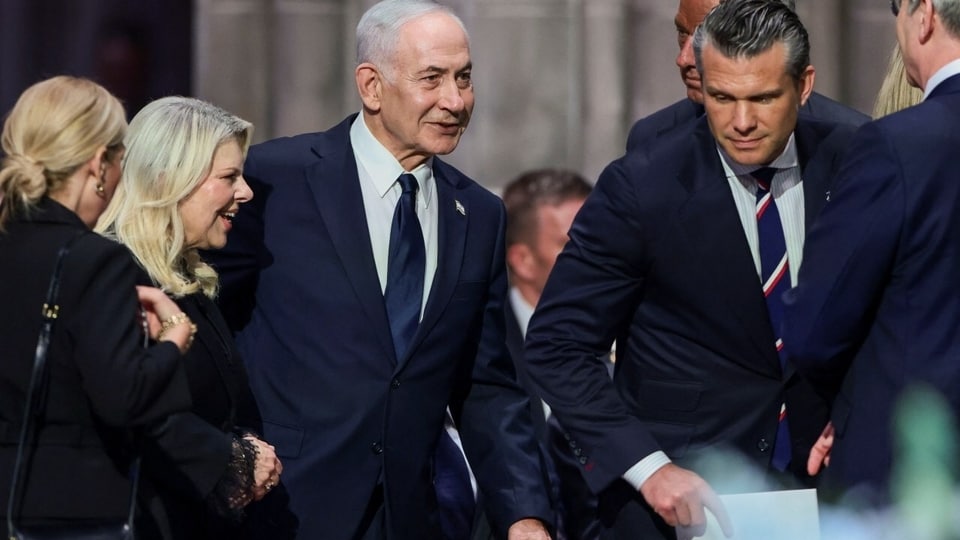
After meeting with Trump, Netanyahu attended Graham’s funeral. As guests filed into the National Cathedral for the funeral, Netanyahu was seen chatting with other senior administration officials, including United Nations Ambassador Mike Waltz and Commerce Secretary Howard Lutnick, as well as Ukrainian President Volodymyr Zelensky who met with Trump earlier in the day.
When Fox News host Sean Hannity spoke at Graham’s funeral, he described Graham as Israel’s greatest friend. Netanyahu and his wife, sitting in the audience, nodded along.
The last meeting between Trump and Netanyahu took place in February shortly before the start of the joint U.S.-Israeli bombing campaign in Iran. At the time, Netanyahu and the former chief of Israel’s Mossad spy agency presented Trump with plans to topple the Iranian regime, according to an Israeli official.
The war has dragged on much longer than Trump originally predicted, and it has remained unpopular with many voters. This has led to political problems for Netanyahu from Republicans and Democrats.
Vice President JD Vance recently accused members of the Israeli government of being behind a public-relations campaign to “keep the war going on indefinitely” in an interview with podcaster Joe Rogan, underscoring a growing rift within the Republican party over its future approach to Israel.
Also this month, more than 100 House Democrats voted for an amendment that would cut off military financing for Israel.

Write to Robbie Gramer at robbie.gramer@wsj.com and Anat Peled at anat.peled@wsj.com


