
 E-Paper



Record LGBTQ candidates are running in US midterm election
US Midterm Election: The milestone comes amid a surge in gay and transgender voters that analysts expect to redraw the electoral landscape over the next generation.

 Prefer HTon Google


LGBTQ candidates are running in all 50 US states and the capital Washington for the first time in this year's midterm election, as the community becomes an increasingly powerful voting constituency.
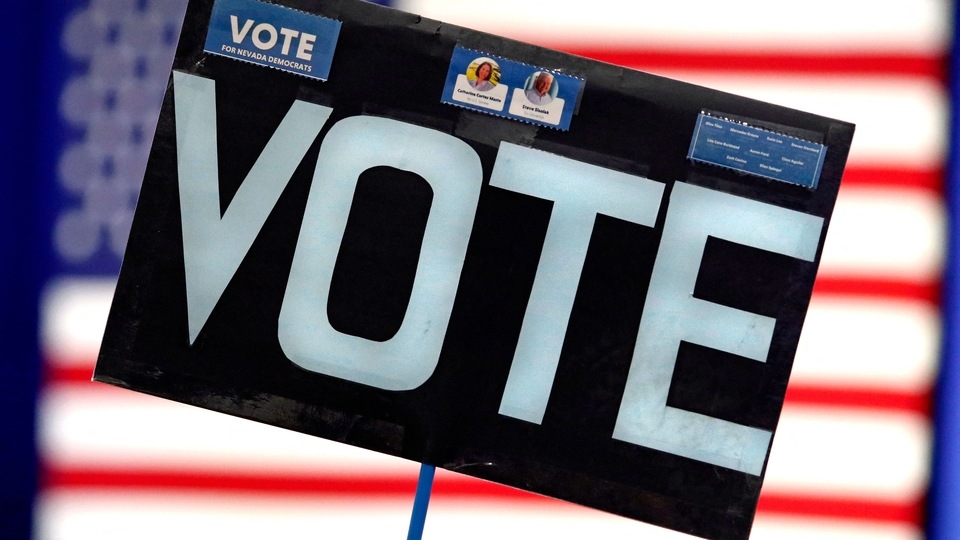
The milestone comes amid a surge in gay and transgender voters that analysts expect to redraw the electoral landscape over the next generation, nudging the conservative US heartland in a more liberal direction.
A new report from the LGBTQ Victory Fund found that of the 1,065 LGBTQ hopefuls who ran primary campaigns for November's midterms, a historic 678 made it onto the ballot -- an 18 percent increase over 2020.
"Voters are sick and tired of the relentless attacks lobbed against the LGBTQ community this year," said Annise Parker, a former Houston mayor who heads the LGBTQ Victory Fund.
"Bigots want us to stay home and stay quiet, but their attacks are backfiring and instead have motivated a new wave of LGBTQ leaders to run for office."
Read more: Brazil's Bolsonaro does not concede election to Lula but authorizes transition
Almost 90 percent of the LGBTQ candidates who entered this year's primary races are Democrats like Maura Healey and Tina Kotek, who are vying to become the nation's first lesbian governors in Massachusetts and Oregon.
'Relentless attacks'
Healey is comfortably ahead in her race, but Kotek finds herself just behind in a contest regarded as a toss-up.
Among a host of other firsts that the LGBTQ community is eyeing on election night, Vermont House candidate Becca Balint would be the only lesbian ever sent by the state to Congress.
Mary Louise Adams, an award-winning author and academic who specializes in LGBTQ issues, welcomed progress in the drive to ensure that members of the community "not just present but visible and vocal" in public life.
"As a voter, I would still be more interested in knowing what the candidates' overall platforms are and what strategies they propose to strengthen and support marginalized communities of all kinds," the professor at Queen's University in Canada told AFP.


