Saima Wazed, daughter of ousted Bangladesh prime minister Sheikh Hasina, has resigned as the World Health Organization's regional director for Southeast Asia following investigations into alleged fraud and other irregularities, Reuters reported.
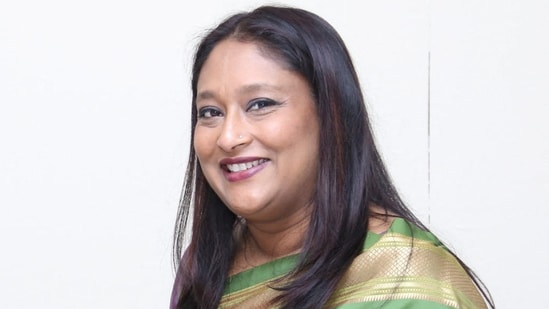
Wazed resigned on Wednesday, according to a resignation letter seen by Reuters, ending her tenure at the WHO amid investigations by the UN agency and Bangladeshi authorities.
The resignation comes as the political fallout from Hasina's ouster continues to affect members of her family and close associates. Hasina was forced to resign and flee Bangladesh in August 2024 following a deadly student-led uprising that grew into a mass movement against her government.
Reuters reporters Krishna N Das and Jennifer Rigby reported that the WHO had placed Wazed on unpaid administrative leave late last year. She was initially sent on leave in July 2025 after Bangladesh's Anti-Corruption Commission, under the interim government that succeeded Hasina, filed charges against her in March 2025 alleging fraud and forgery.
According to a separate July 3, 2026 letter from Wazed's lawyers to the WHO, seen by Reuters, the agency accused her of committing financial fraud linked to travel to China and of misrepresenting her academic credentials. Wazed has denied the allegations.
{{/usCountry}}According to a separate July 3, 2026 letter from Wazed's lawyers to the WHO, seen by Reuters, the agency accused her of committing financial fraud linked to travel to China and of misrepresenting her academic credentials. Wazed has denied the allegations.
{{/usCountry}}The WHO also alleged that Wazed had illegally acquired a plot of land in Bangladesh, according to her resignation letter to WHO Director-General Tedros Adhanom Ghebreyesus. Wazed said she had acquired the land before joining the WHO and was entitled to it under a Bangladeshi law covering the families of Sheikh Mujibur Rahman, Bangladesh's founding leader and Hasina's father.
'Lost all trust and confidence'
In her resignation letter, Wazed said she had been elected to serve the countries in the Southeast Asian region but had been prevented from effectively performing her duties.
"Since you continue to prevent me from effectively carrying out my duties, I have lost all trust and confidence in your leadership of WHO," she wrote, according to Reuters.
Wazed also said that nearly a year without remuneration after being placed on unpaid leave had made her financial situation untenable. She declined to comment further.
The WHO did not immediately respond to Reuters' request for comment. The agency had said last month that Wazed remained on leave but declined to discuss the case, citing confidentiality.
Two sources told Reuters that the WHO was preparing to formally remove Wazed from the position. One source said the agency was expected to announce nominations for a successor on October 12, vet applications in December and hold elections on January 24.
Regional directors are elected every five years by WHO member states and are among the organisation's most senior officials. Their responsibilities include responding to health emergencies and outbreaks and adapting WHO policies to regional conditions.
Wazed, who took office as Southeast Asia regional director in early 2024 for a five-year term, disputed the allegations through her lawyers. On the travel issue, she said the $901 in question involved an administrative oversight by an assistant handling routine reimbursement requests. Regarding her credentials, she said she holds an honorary doctorate for her work on autism in Bangladesh and had been transparent with WHO chief Tedros about the qualification, Reuters reported.
Sheikh Hasina's ouster
Wazed's resignation comes against the backdrop of the dramatic political downfall of her mother, Sheikh Hasina, who was Bangladesh's longest-serving prime minister.
Hasina, the daughter of Bangladesh's founding leader Sheikh Mujibur Rahman, served as prime minister from June 1996 to July 2001 and again from January 2009 until her ouster in August 2024. She had begun an unprecedented fourth consecutive term in January 2024.
She became one of the country's most powerful political figures after her father and three brothers were killed in a 1975 military coup while she was abroad. She returned to Bangladesh in 1981 after years in exile in India and subsequently became leader of the Awami League. Hasina later joined forces with rival Bangladesh Nationalist Party leader Khaleda Zia in a movement that helped end military ruler Hossain Mohammad Ershad's rule in 1990.
Her long tenure was marked by both economic and social gains and growing criticism over authoritarianism, including allegations of mass arrests of opposition activists and rights violations. Under her government, Bangladesh made progress on economic and human development indicators and sheltered Rohingya Muslims fleeing persecution in Myanmar. But the economy came under increasing pressure following the Covid-19 pandemic and the rise in food and fuel prices after Russia's invasion of Ukraine.
In 2024, protests initially triggered by opposition to a quota system for government jobs developed into a broader anti-government movement. More than 300 people were killed in the unrest, according to contemporary Hindustan Times reports. Hasina resigned on August 5 and fled to India, where she has remained since.
An interim government headed by Nobel laureate Muhammad Yunus was sworn in three days later.
Hasina has since been living in Delhi. Her political allies have faced criminal cases in Bangladesh, while the former prime minister herself has remained in exile.
Wazed had been based in New Delhi before taking up the WHO regional leadership role. During the 2024 upheaval, she publicly expressed anguish over the violence in Bangladesh and said she was unable to see or embrace her mother during the crisis.