...
...
Next Story

The ICC is a threat to America

The International Criminal Court deserves U.S. sanctions, the sooner the better.

Published on: Oct 10, 2026, 16:30:25 IST
WSJ
Advertisement

‘Either the ICC will end its threats, or we will end the ICC,” Secretary of State Marco Rubio said Friday as the U.S. sanctioned the International Criminal Court. “We will ban transactions with this rogue court, cutting off their resources.” The action is amply merited.
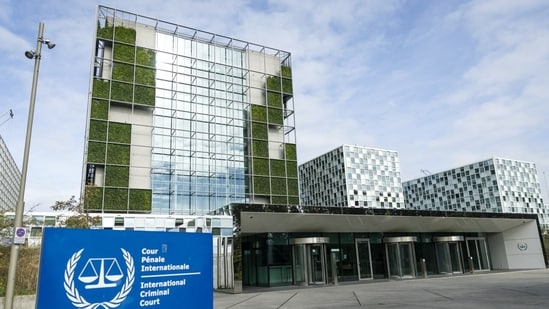
PREMIUMThe International Criminal Court (ICC) in The Hague
The International Criminal Court (ICC) in The Hague

The dream of global justice is noble, and plans for a global court in the 1990s often came with the best of intentions. But even then, Republicans and Democrats recognized that letting foreign judges usurp

Deep Dive

Why did the United States impose sanctions on the International Criminal Court?

The U.S. said the sanctions respond to the ICC’s investigations involving U.S. forces and threats to prosecute American officials and personnel. The main article argues that the court exceeded its authority by pursuing people from countries, including the U.S., that never joined it.

What do the U.S. sanctions on the ICC restrict?

Secretary of State Marco Rubio said the U.S. would ban transactions with the court and cut off its resources. The stated aim is to limit the ICC’s ability to operate.

How long does the ICC have to address U.S. concerns before many sanctions take effect?

Many sanctions have an 180-day grace period, described in related coverage as about six months. The U.S. said the delay gives the court and its member states time to show meaningful progress on Washington’s concerns.
Powered ByAsk HT

Before defending the ICC, Democrats might consider its record. On prosecutions, the court has been generally ineffective and never lived up to its billing. More troubling, it acquired the political biases that are standard in international legal circles, leading it to ethical collapse.

Consider the case of ICC chief prosecutor Karim Khan (2021-26). Accused of sexual assault by a subordinate in 2024, he shocked his own staff by suddenly cutting short the court’s investigation of Israeli leaders, declining to receive Israeli evidence, and announcing a request for their arrests on CNN.

The court then buried the allegations against Mr. Khan for months until these columns and a few others brought them to the fore. Throw in the allegation of an offer by Qatar to “look after” Mr. Khan concerning the Israeli arrest warrants—which both deny—and the ICC case has been marred beyond saving. Only after more than two years of dithering did the court fire Mr. Khan for “serious misconduct and serious breach of duty.” He denies the allegations.

Mr. Rubio’s statement discussed only America, but critics will say the U.S. sanctions are all about Israel. They miss that the ICC’s willingness to pervert its process, twist the law and facts for political ends, and exceed its legal authority in the case of Israel—which, like the U.S., never joined the court—is the best demonstration of the court’s growing danger to America. This includes the ability of the U.S. to wage war against terrorists.

We first advocated sanctioning the ICC as a whole in January 2025. But the Trump Administration preferred to proceed incrementally, offering the court every chance to give up on investigating or prosecuting nonmembers—and certainly not those with functioning democracies and legal systems. It didn’t budge.

Even now, as Mr. Rubio drops the hammer, he’s still giving the ICC an 180-day grace period on many of the sanctions for it to “address fundamental U.S. concerns.”

More likely, the ICC will use these months as it used the past 21 months—to run out more of the clock on the Trump Presidency. The European Commission has pledged to help the court continue operations, which will probably include preparing to evade U.S. sanctions. If Messrs. Trump and Rubio leave this too late, the ICC will outlast them and seek revenge.

‘Either the ICC will end its threats, or we will end the ICC,” Secretary of State Marco Rubio said Friday as the U.S. sanctioned the International Criminal Court. “We will ban transactions with this rogue court, cutting off their resources.” The action is amply merited.

PREMIUMThe International Criminal Court (ICC) in The Hague
The International Criminal Court (ICC) in The Hague

The dream of global justice is noble, and plans for a global court in the 1990s often came with the best of intentions. But even then, Republicans and Democrats recognized that letting foreign judges usurp the role of U.S. courts wouldn’t end well. U.S. soldiers and leaders should answer to America’s judicial system. It’s called self-government.

Washington never ratified the Rome Statute authorizing the ICC, and Congress has prohibited U.S. cooperation. But that hasn’t stopped the ICC from investigating U.S. forces in Afghanistan. Lately the court’s allies threaten that it will prosecute President Trump, his officials, U.S. soldiers or Border Patrol agents.

Deep Dive

Why did the United States impose sanctions on the International Criminal Court?

The U.S. said the sanctions respond to the ICC’s investigations involving U.S. forces and threats to prosecute American officials and personnel. The main article argues that the court exceeded its authority by pursuing people from countries, including the U.S., that never joined it.

What do the U.S. sanctions on the ICC restrict?

Secretary of State Marco Rubio said the U.S. would ban transactions with the court and cut off its resources. The stated aim is to limit the ICC’s ability to operate.

How long does the ICC have to address U.S. concerns before many sanctions take effect?

Many sanctions have an 180-day grace period, described in related coverage as about six months. The U.S. said the delay gives the court and its member states time to show meaningful progress on Washington’s concerns.
Powered ByAsk HT

Before defending the ICC, Democrats might consider its record. On prosecutions, the court has been generally ineffective and never lived up to its billing. More troubling, it acquired the political biases that are standard in international legal circles, leading it to ethical collapse.

Consider the case of ICC chief prosecutor Karim Khan (2021-26). Accused of sexual assault by a subordinate in 2024, he shocked his own staff by suddenly cutting short the court’s investigation of Israeli leaders, declining to receive Israeli evidence, and announcing a request for their arrests on CNN.

The court then buried the allegations against Mr. Khan for months until these columns and a few others brought them to the fore. Throw in the allegation of an offer by Qatar to “look after” Mr. Khan concerning the Israeli arrest warrants—which both deny—and the ICC case has been marred beyond saving. Only after more than two years of dithering did the court fire Mr. Khan for “serious misconduct and serious breach of duty.” He denies the allegations.

Mr. Rubio’s statement discussed only America, but critics will say the U.S. sanctions are all about Israel. They miss that the ICC’s willingness to pervert its process, twist the law and facts for political ends, and exceed its legal authority in the case of Israel—which, like the U.S., never joined the court—is the best demonstration of the court’s growing danger to America. This includes the ability of the U.S. to wage war against terrorists.

We first advocated sanctioning the ICC as a whole in January 2025. But the Trump Administration preferred to proceed incrementally, offering the court every chance to give up on investigating or prosecuting nonmembers—and certainly not those with functioning democracies and legal systems. It didn’t budge.

Even now, as Mr. Rubio drops the hammer, he’s still giving the ICC an 180-day grace period on many of the sanctions for it to “address fundamental U.S. concerns.”

More likely, the ICC will use these months as it used the past 21 months—to run out more of the clock on the Trump Presidency. The European Commission has pledged to help the court continue operations, which will probably include preparing to evade U.S. sanctions. If Messrs. Trump and Rubio leave this too late, the ICC will outlast them and seek revenge.

All Access.
One Subscription.

Get 360° coverage—from daily headlines
to 100 year archives.

E-Paper
Full
Archives
Full Access to
HT App & Website
Games
 
Get the latest World News, breaking headlines and global updates from the US, UK, Pakistan, Bangladesh, Russia and other countries. Follow major international events on Hindustan Times.
SHARE THIS ARTICLE ON
Notifications

Get breaking alerts directly from the newsroom

Notifications are on!You'll be notified when news breaks