
UK consumers will face higher prices on goods coming from the European Union after Brexit, whether Boris Johnson signs a free trade agreement with the bloc or not, according to a major business group.
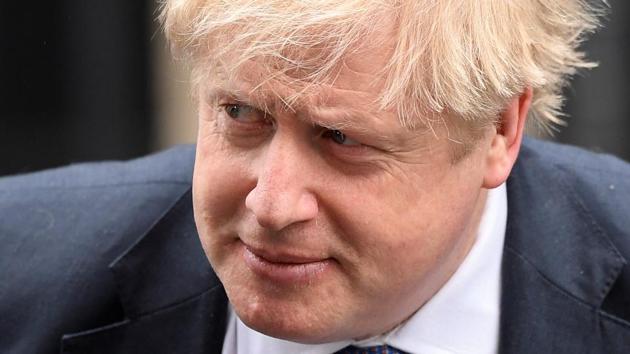
Products imported from the EU after January 1, 2021 will require customs declarations, which cost between 16 pounds ($21) and 56 pounds per product line. They will also need documents like rules of origin paperwork, new red tape that is automatically triggered by Britain leaving the bloc’s single market and customs union.
Suggested For You
“These things will have to happen regardless of how good the deal is,” said William Bain, policy adviser at the British Retail Consortium, which represents 5,000 businesses making 180 billion pounds of retail sales. “Any increase in cost in a low margin industry is ultimately going to be faced by the consumer.”
Looming higher costs for companies dealing with the EU, which is Britain’s largest trading partner and a source of half its imports, is a result of Prime Minister Johnson’s approach to trade talks with the bloc. Johnson is seeking a more distant economic relationship with the EU -- akin to the bloc’s deal with Canada -- so that the UK does not have to align with EU rules and can independently sign trade agreements with other countries.
Costs and delays for businesses will rise further if the UK and EU fail to be pragmatic on other customs processes, the BRC said. The most burdensome will be export health certificates (EHC), a form required to move products of animal origin into the EU, which cost about 100 pounds each and must be issued by a vet or other qualified professional. Such products include meats, fish, cheeses and yogurts.
{{/usCountry}}Costs and delays for businesses will rise further if the UK and EU fail to be pragmatic on other customs processes, the BRC said. The most burdensome will be export health certificates (EHC), a form required to move products of animal origin into the EU, which cost about 100 pounds each and must be issued by a vet or other qualified professional. Such products include meats, fish, cheeses and yogurts.
{{/usCountry}}Switzerland has been able to remove the need for EHCs with the EU through a deal based on regulatory alignment, but Johnson has said the UK wants regulatory autonomy. Last week, cabinet office minister Michael Gove told businesses to prepare for animal health checks after Brexit.
Boris Johnson runs up against his red wall in escape from EU
“That’s going to be a significant bit of extra red tape,” Bain said, noting a recent example of a goods truck heading to Northern Ireland which was carrying 1,392 different product lines, 800 of which would’ve required EHCs after Brexit. “It’s a significant amount of money per truck,” he said.
Another major concern for retailers is tariffs. Commerce between the UK and the EU will default to World Trade Organization terms if no accord is struck in 2020, and Britain is currently consulting on the levies it would apply. The EU has said a zero-tariff, zero-quota trade deal with Britain is conditional on a satisfactory agreement on fishing rights and the UK respecting the bloc’s rules in areas like environmental protection, labor standards and state aid. Johnson has so far rejected the idea of being bound by the EU’s so-called ‘level playing field’ requirements.
“Prices of goods are a commercial decision for businesses and depend on a variety of factors, but it’s in their interests too to make them competitive and affordable,” a government spokesperson said. “Leaving the EU’s single market and customs union gives us the opportunity to strike trade deals around the world, widen choices available for consumers, and set our own independent tariff strategy that is best for UK businesses and consumers.’’
Explore More
ABOUT THE AUTHOR
Follow the latest breaking news, major developments and agenda-setting stories from India and around the world with the newsdesk at Hindustan Times. Operating round the clock, the desk brings together experienced editors, reporters and correspondents to deliver fast, accurate and contextual reporting across subjects that influence public policy, governance, business, society and international affairs. The HT News Desk covers politics, elections, government policies, the economy, business and markets, science and technology, the environment, law and order, infrastructure, education, climate issues and geopolitics, while closely tracking developments across states, institutions and global capitals. The team also leads coverage of major breaking news events, policy announcements, court proceedings, natural disasters, public emergencies and significant international developments. Reports published by the newsdesk are based on information gathered from reporters on the ground, official statements, government agencies, court records, regulatory filings, recognised institutions and other authoritative sources. Stories undergo editorial scrutiny and verification processes to ensure accuracy, fairness and relevance, and are updated as events evolve and additional information becomes available. Whether covering a key political decision in New Delhi, an economic policy shift affecting millions, a landmark court ruling or a major global event, the HT News Desk aims to provide readers with reliable, fact-based journalism that delivers not only the latest developments but also the context and analysis needed to understand their wider implications.