E-Paper


Ancient ‘polystrate fossils’ found through rock layers spark debate over biblical flood theory
The discovery of polystrate fossils has sparked debate over their implications for the biblical flood narrative.

 Prefer HTon Google


Ancient fossilized trees discovered standing upright through multiple layers of rock across the United States are fueling debate over whether catastrophic flooding events, including the biblical flood described in Genesis, may have played a role in shaping parts of Earth’s geological history.
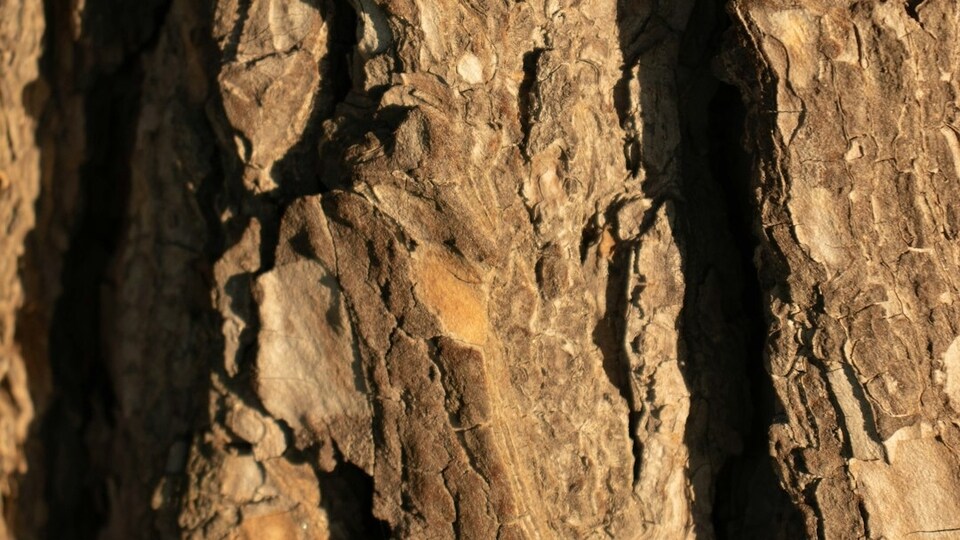
Known as “polystrate fossils,” the formations consist of tree trunks preserved vertically through several layers of sedimentary rock, some of which are believed by scientists to have formed across vast stretches of time.
Fossils found at major US landmarks
Examples of the unusual fossils have been documented at sites including Yellowstone National Park, Theodore Roosevelt National Park, Ginkgo Petrified Forest State Park and Florissant Fossil Beds National Monument.
Similar formations have also been reported in coal fields spanning Tennessee, Kentucky and Pennsylvania.
Supporters of biblical flood theories argue the fossils are difficult to reconcile with slow sediment accumulation over millions of years because dead trees would normally decay or collapse before being preserved upright.
Why flood theorists are pointing to the fossils
Researchers affiliated with Noah’s Ark Scans, a group searching for evidence tied to the biblical ark, recently talked about the fossils in a social media post. “A dead tree doesn't stand upright for millions of years waiting for sediment to slowly build around it. It rots. It collapses,” the group wrote on X.
“These trees appear to have been rapidly buried by massive sediment flows before they could decay.”
Also Read: Largest piece of Mars on Earth sells for over $5M but rare dinosaur fossil makes more at auction
Advocates of biblical flood theory believe the fossils may point to a sudden catastrophic event capable of burying forests quickly beneath large amounts of water and sediment, similar to the flood described in the Book of Genesis.
According to the biblical account, Noah was instructed by God to build an ark before a flood covered the Earth, destroying nearly all life except those aboard the vessel.
Also Read: Tyrannosaurus Rex relative discovered: New dinosaur species identified in Mongolia
Scientists dispute global flood interpretation
Mainstream geologists and paleontologists, however, do not view polystrate fossils as proof of a worldwide flood or confirmation of the Genesis narrative.
Critics argue that sediment layers can accumulate rapidly during localized events such as volcanic eruptions, mudslides or regional flooding while still fitting within the accepted timeline of an ancient Earth.
Geologist Derek Ager, whose comments are often cited by creationist groups, previously acknowledged that sedimentation can sometimes occur “very rapid indeed,” though he did not support biblical creationism.
Creation science advocate Ian Juby has also argued that some polystrate fossils show evidence of rapid burial, including broken roots and upside-down trunks embedded across multiple sediment layers.