
 E-Paper


‘Blood Moon’ total lunar eclipse: When and what time it will be visible in US states
Rare ‘Blood Moon’ total lunar eclipse on 14 March, 2025, will be visible across the Western Hemisphere, including all US states.

 Prefer HTon Google


A spectacular and rare celestial event is set to take place on March 14, 2025, as a total lunar eclipse will grace the skies across the entire Western Hemisphere, including the United States.
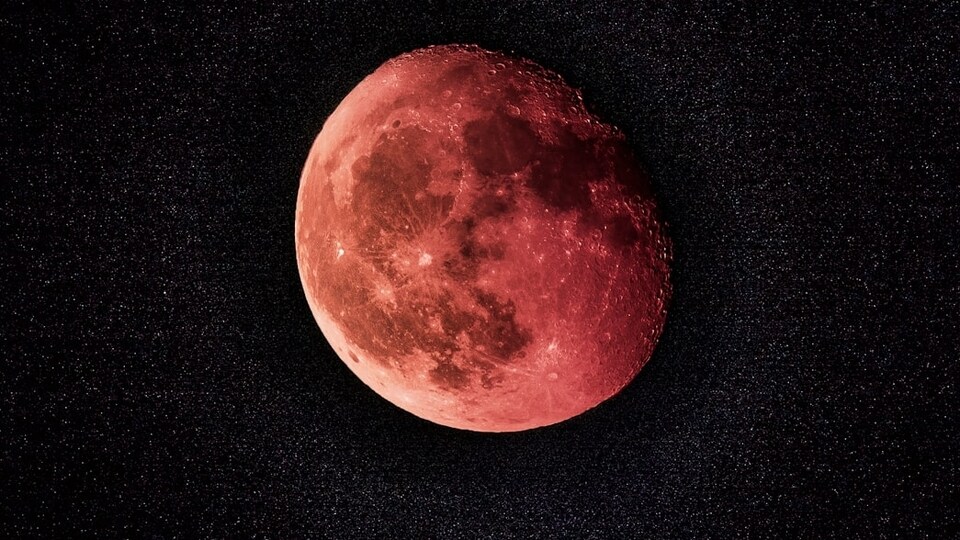
The eclipse occurs as the Earth moves directly between the sun and the moon in the early morning hours of March 13 and 14, 2025. Unlike previous eclipses, this one will be visible in some form from every state in the US, all of North and South America, and parts of Europe and Africa, as reported by MSN.
Also read: March Lunar Eclipse: Why do experts advise against manifesting during eclipse season?
For the first time in years, every US state will have the opportunity to witness at least part of the total lunar eclipse. While Hawaii and parts of Alaska will enjoy the spectacle, they will miss the start of the first penumbral phase of the eclipse.
Up to 39% of the world's population will be able to see at least a portion of the penumbral phase, with approximately 863 million people—10.5% of the global population—having a front-row view of the entire event, from beginning to end.
What to Expect and When to Watch
The total lunar eclipse will span six hours and three minutes, with the peak of the event—known as totality—occurring at 2:26 am EDT on March 14, 2025. It is at this moment that the moon will take on its iconic crimson hue, giving rise to the "blood moon" effect.
The best times to observe the eclipse in the United States vary by time zone:
Eastern Time (ET): 2:26-3:32 am EDT on Friday
Central Time (CT): 1:26-2:32 am CDT on Friday
Mountain Time (MT): 12:26-1:32 am MDT on Friday
Pacific Time (PT): 11:26 pm on Thursday, into 12:32 am PDT on Friday,
Alaska Time (AKDT): 10:26-11:32 pm AKDT on Thursday
Hawaii-Aleutian Time (HST): 8:26-9:32 pm HST on Thursday
For those in the US who want to catch the earliest stages of the eclipse, the penumbral phase—the moment when the moon enters Earth's outer shadow—will begin around 11:57 pm EDT on 13 March, according to NASA.
What is a Total Lunar Eclipse?
A total lunar eclipse occurs when the moon passes through Earth's shadow, with the Earth, sun, and moon perfectly aligned. Unlike partial lunar eclipses, where only part of the moon is obscured by Earth's shadow, a total lunar eclipse sees the entire moon move into the umbra, the darkest part of Earth's shadow, completely blocking sunlight.
The Mystique of the ‘Blood Moon’
As the Earth's shadow casts a deep red or reddish-orange hue over the moon, it earns the nickname "blood moon." This mesmerizing phenomenon happens when the Earth positions itself directly between the sun and the moon, casting a shadow that gives the moon its unique color.
Also read: US startup's moonshot apparently lands on its side - again
NASA notes that the next total lunar eclipse visible from the United States will not occur until March 2026, making this event a must-see for skywatchers across the nation.


