The central issue in the Massachusetts murder trial is the question of whether Lindsay Clancy carefully planned the killings of her three children or acted under the grip of severe mental illness.
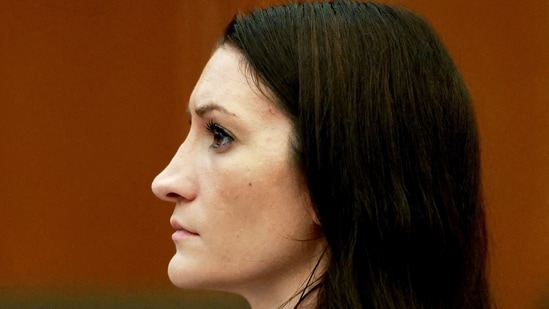
The civil lawsuit filed against McLean Hospital and psychiatrist Dr. Lee Goodheart, alongside testimony presented during the ongoing criminal trial, provides a detailed account of Clancy's mental state before the January 24, 2023, killings.
The lawsuit includes Clancy's own account of hearing commanding voices that told her to kill her children before taking her own life.
Prosecutors, however, argue the killings were deliberate. They have pointed to Clancy asking her husband, Patrick Clancy, to leave the house to pick up takeout and have described the request as evidence that she intentionally created an opportunity to carry out the murders.
Lindsay Clancy admits to murder but pleads not guilty
According to the civil complaint, Clancy checked herself into McLean Hospital on December 31, 2022, after experiencing severe depression, suicidal thoughts, anxiety, insomnia, hopelessness, and racing thoughts. The lawsuit says hospital staff documented her insight and judgment as “limited.”
{{/usCountry}}According to the civil complaint, Clancy checked herself into McLean Hospital on December 31, 2022, after experiencing severe depression, suicidal thoughts, anxiety, insomnia, hopelessness, and racing thoughts. The lawsuit says hospital staff documented her insight and judgment as “limited.”
{{/usCountry}}The filing alleged she remained on a locked psychiatric unit with suicide checks every 15 minutes. She, however, did not meet with a physician until January 3 because of reduced holiday staffing.
She was discharged on January 5 after a five-day stay despite continuing symptoms, according to the lawsuit.
After leaving the hospital, Clancy resumed treatment with psychiatrist Dr. Catherine Tufts. The complaint alleged that she continued to suffer from worsening depression, hallucinations, emotional numbness, and poor sleep despite medication adjustments.
According to the lawsuit, by January 16, she reported hearing voices that said, “You should harm the children,” “You should kill yourself,” and “The only option is to die.” After a few days, she also searched online, “What is a psychopath?” because she feared she had become one.
The lawsuit also detailed the day of the murders. On January 24, Clancy spent the day caring for her children. In the afternoon, she had asked her husband, Patrick, to pick up takeout that she had ordered.
The lawsuit described that after Patrick left, Clancy allegedly experienced “command authority hallucinations.” She recalled hearing a “demanding, powerful male voice” repeatedly saying, “This is your last chance. Kill the children so you can kill yourself.”
The complaint stated that Clancy told psychiatrists she felt she had “lost all control” and entered a dream-like state. She believed her body acted independently as she strangled her three children before attempting suicide by overdosing, cutting herself, and jumping from a second-floor window. She remains paralysed from the waist down.
Jurors have also heard diary entries written in the months before the killings. According to NBC News, Clancy wrote that she desperately wanted help, struggled with "crazy brain fog," felt disconnected from her family, and feared she could not think clearly.
"I want help. I want to be well," one diary entry read. Another entry described her feeling unable to make plans because of overwhelming mental fog.
Also read: Defence to continue probing psychiatric care in Lindsay Clancy trial
Trial focuses on intent versus psychosis
Prosecutors maintain the case is about criminal responsibility rather than failures in mental healthcare.
Prosecutor Shanan Buckingham said during the opening statement, “This is not a public debate about women’s mental health and how the medical system treats women.”
They argued that Clancy carefully planned the murder and sent her husband out of the home before she used exercise bands to strangle 5-year-old Cora, 3-year-old Dawson, and 8-month-old Callan.
The trial is in its second week and is expected to continue with additional expert testimony that will address whether Clancy was legally responsible for her actions.