
 E-Paper


Trump ends birthright citizenship in the US, says it was 'for slaves, not rich’
In January 2025, on his first day back as President of the United States, Trump signed an executive order ending birthright citizenship in the US.

 Prefer HTon Google


US President Donald Trump has claimed that birthright citizenship was established for the children of slaves in the country. Speaking to Politico, the Republican leader, who signed an executive order on his first day in office to end birthright citizenship, said that the law has been used by "rich" immigrants to come and settle in the US.
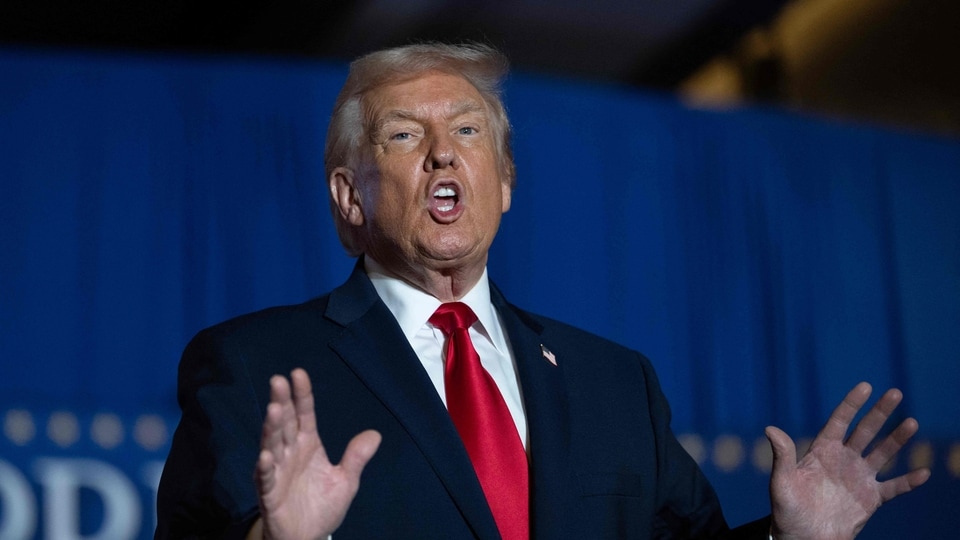
Speaking to Politico about this executive order against birthright citizenship, Trump stated it would be "devastating" if the Supreme Court rules against his administration.
"The case is very interesting because that case was meant for the babies of slaves. And if you look at the dates on the case, it was exactly having to do with the Civil War. That case was not meant for some rich person coming from another country, dropping ... putting a foot in our country, and all of a sudden their whole family becomes, you know, United States citizens," he said.
Also Read | ‘Going to make a call’: Trump to intervene amid renewed Thailand-Cambodia clashes
"That case is all about slaves, the babies of slaves, and it was a good reason for doing it. And that’s all it was about, and people now are understanding it. It’s been explained to ’em. And I think the court understands it, too. That would be a devastating decision if we lose that case," he added.
Trump added that when the law was passed, it was in the same timeline as the US Civil War. Echoing his policies on immigration, Trump added that his decision to end the law was because "our country cannot afford to house tens of millions of people".
In January 2025, on his first day back as President of the United States, Trump signed an executive order ending birthright citizenship in the US.
Under the 14th Amendment of the US Constitution - “All persons born or naturalized in the United States, and subject to the jurisdiction thereof, are citizens of the United States.”
The 14th Amendment was added to the US Constitution in 1868, just after the Civil War, in order to grant citizenship to the formerly enslaved people and those born on US soil.
After Trump's order, the administration stated that any children born in the US 30 days after January 20 will no longer be entitled to birthright citizenship.
However, Trump's order was blocked and challenged by many federal courts. In June 2025, the Supreme Court intervened and stated that federal courts lack the authority to issue broad nationwide or universal injunctions to block an executive order. The matter was later taken by the top court itself to review its constitutionality.


