E-Paper


Hantavirus symptoms: How does rare virus linked to cruise ship outbreak affect the body? Explained
A hantavirus outbreak connected to MV Hondius raises health concerns.

 Prefer HTon Google


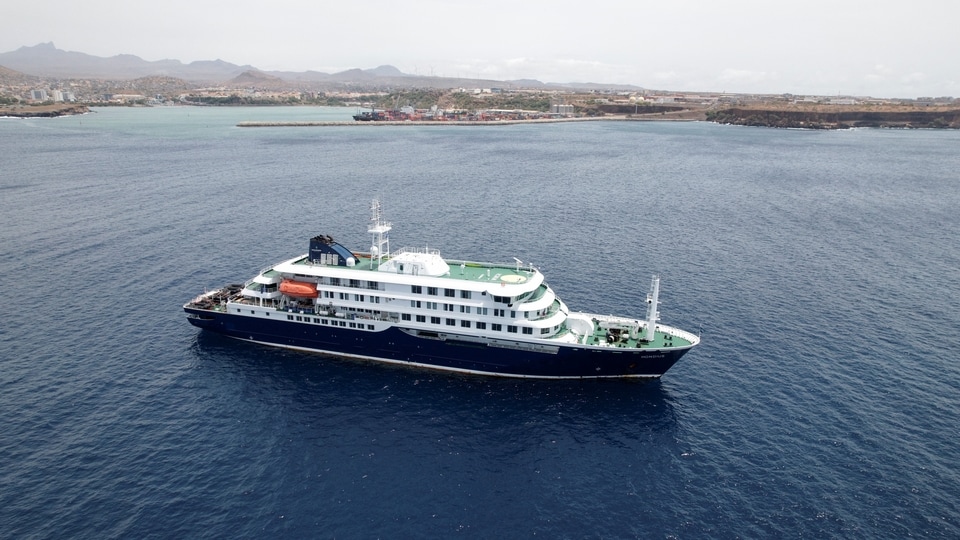
Health authorities are monitoring a hantavirus outbreak linked to the expedition cruise ship MV Hondius, where confirmed and suspected infections have raised concerns over the rare but potentially deadly disease.
According to the World Health Organization, hantaviruses are typically spread through contact with rodents, especially through inhaling particles from dried urine, saliva, or droppings.
The strain linked to the outbreak is believed to be the Andes virus, found mainly in Argentina and Chile and known for rare human-to-human transmission through close contact.
Early symptoms resemble flu
Experts cited by the Centers for Disease Control and Prevention (CDC), Associated Press and BBC say hantavirus infections often begin with flu-like symptoms, including:
- Fever
- Chills
- Muscle aches
- Fatigue
- Headaches
- Dizziness
- Abdominal discomfort
Symptoms can appear anywhere from one to eight weeks after exposure.
Also Read: Hantavirus outbreak: 5 things to know about virus as three dead on Atlantic Cruise Ship passengers
How the virus turns severe
One major illness caused by hantavirus is Hantavirus Pulmonary Syndrome (HPS), which affects the lungs. As the infection worsens, patients may develop chest tightness, coughing and severe breathing difficulties as fluid builds up in the lungs.
Doctors warn that patients with respiratory symptoms often need urgent hospital care, including oxygen therapy or mechanical ventilation.
The CDC estimates HPS is fatal in around 35% of cases.
Another illness linked to hantavirus is Hemorrhagic Fever with Renal Syndrome (HFRS), which can damage the kidneys. Symptoms may progress to low blood pressure, internal bleeding and acute kidney failure.
According to the CDC, death rates for HFRS range from 1% to 15%, depending on the strain.
Also Read: Hantavirus case confirmed in Switzerland: What we know so far about human-to-human transmission
Cruise ship outbreak
The BBC reported that passengers aboard the ship have been confined to cabins to limit exposure risks.
Meanwhile, the UK Health Security Agency said two British passengers who left the vessel before the outbreak was identified are self-isolating along with some close contacts.
There is currently no specific vaccine or cure for hantavirus infections. However, experts say early medical treatment and supportive care can significantly improve survival chances.