
 E-Paper



Asia Bulletin: Inside a girls’ school in Kabul
Tom Sasse, our South Asia bureau chief, on the bleak future facing the few Afghan girls still able to study


 Prefer HTon Google


Down a dusty side street in Kabul we came to a gate. Two security guards quickly invited us in. Behind it was a ramshackle three-storey building, with a small outdoor area covered in green astro-turf. We went inside and sat a while in a reception room, where everyone seemed nervous. A few phone calls were made. And then four girls were brought in—Farishta, Diwa, Asia and Nadia. They said they would be happy to tell me about being a schoolgirl in Afghanistan.
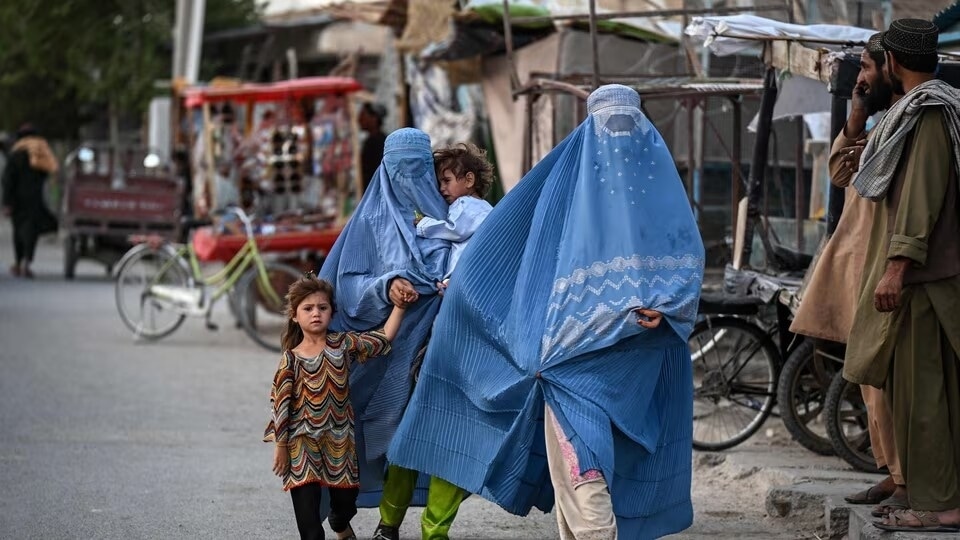
I was there because I was reporting this week’s cover story, on Afghanistan, five years after the Taliban returned to power, which will be published on Thursday. We will also be devoting this week’s episode of the Insider to how the militants are ruling the country a second time around, and how the world should respond. But in this newsletter, I wanted to give space to the voices of these Afghan girls.
They were all 16 or 17, and dressed in dark black robes. Asia was the only one wearing a full burqa, which covers everything but the eyes. The others wore abayas, purple headscarves and covid-style masks over their mouths (this has become the most common way for Afghan women who don’t wear burqas to indicate that they are complying with the Taliban’s dress codes). I began the interview slowly in English, unsure whether they would need my translator. “We understand you perfectly,” Nadia politely corrected me.
They were all delighted to be back in school, but they were the lucky ones, Farishta said. They had lost several years of education after the Taliban closed government secondary schools to girls in 2021. The madrasa (Islamic school) I was visiting opened two years ago and they and their families hustled to pay the fees, which were around 1,000 afghanis ($15) a month. Lots of their friends could not afford them. There is no reliable figure, but experts I asked guessed that perhaps as little as 10% of secondary-age girls in Afghanistan are getting a formal education.
As with many aspects of life in Afghanistan, madrasas operate in a grey area. Officially, secondary schooling for girls has been suspended by the country’s hardline emir. But that policy is hugely unpopular with Afghans—and even, in fact, among the ruling Talibs. The workaround is that girls can attend privately run madrasas as long as, in theory, they only get a religious education. Of course, parents, teachers and some Talib governors want them to learn other things. But it has to happen quietly, or else there will be a crackdown.
All four girls at the madrasa I visited said that they enjoyed doing Islamic subjects because they genuinely liked learning about their religion (they also said that they had no problem with codes requiring women to dress conservatively, which they anyway considered part of their culture). But they also got to do many other subjects, including maths, science and English, and all had ambitions to keep studying and learning more. Diwa said she was paying the fees by teaching other girls English online in her spare time.
When I got a tour later I could see that their school was a hastily converted house, with peeling wallpaper and moth-eaten carpets. The principal (who asked not to be identified) said he was educating some 600 girls there in the small, cramped classrooms. Money was short, because many pupils could not afford the full fees and the school’s one foreign sponsor had cancelled its donation. It was hard to find maths and English teachers. Still, the girls said that the education they were getting there was good, better in fact than at the government-run schools they went to before. And at least now, because Kabul is not a war zone, they could walk to school safely.
The problem was that even though they had fought to get this precarious education, they wouldn’t be able to use it because they were barred from most jobs and university courses. Asia said she had dreams of being a lawyer but she knew that would not happen. Nadia had wanted to be a doctor. They saw the only option as becoming a teacher in an Islamic school, which they didn’t see as much of a future.
They were angry that Afghan men hadn’t done more for them. “They haven’t raised their voices, they haven’t fought for our rights,” said Nadia. Asia agreed: “It’s not just the Taliban, it’s the mindset of men—they don’t want women to be equal, that’s the truth.” They wanted the world not to forget about them, and thought that other countries should recognise their government, engage with it, and keep pushing it to give them more opportunities.
But they were not optimistic. Diwa said that her parents kept telling her that by the time she graduated, things would be OK. “But I don’t think it will be OK,” she said. “I don’t hope for any future.”
How should the outside world respond to the Taliban’s treatment of women and girls? Please send your thoughts to: asiabulletin@economist.com.


