
 E-Paper



India has failed to make the most of the monsoon
Parliamentarians must use local area funds to drought-proof their parched constituencies

 Prefer HTon Google


For India, the monsoons are not just rains; it’s a life-affirming annual occurrence. But in the age of climate change, there is always the threat of the rain-laden clouds not making an appearance. However, if climate scientists at Massachusetts Institute of Technology are to be believed, the last 15 years have been good for the country. According to the MIT researchers, the monsoon season in India has in the last 15 years recovered from a 50-year dry spell, during which the northern and central parts of the country received relatively less rain. Their findings show that since 2002, the drying trend has given way to a much wetter pattern, with a stronger monsoon supplying much-needed rain -- along with powerful, damaging floods -- to the populous north central region. A shift in India’s land and sea temperatures may partially explain this increase in monsoon rainfall, the researchers said.
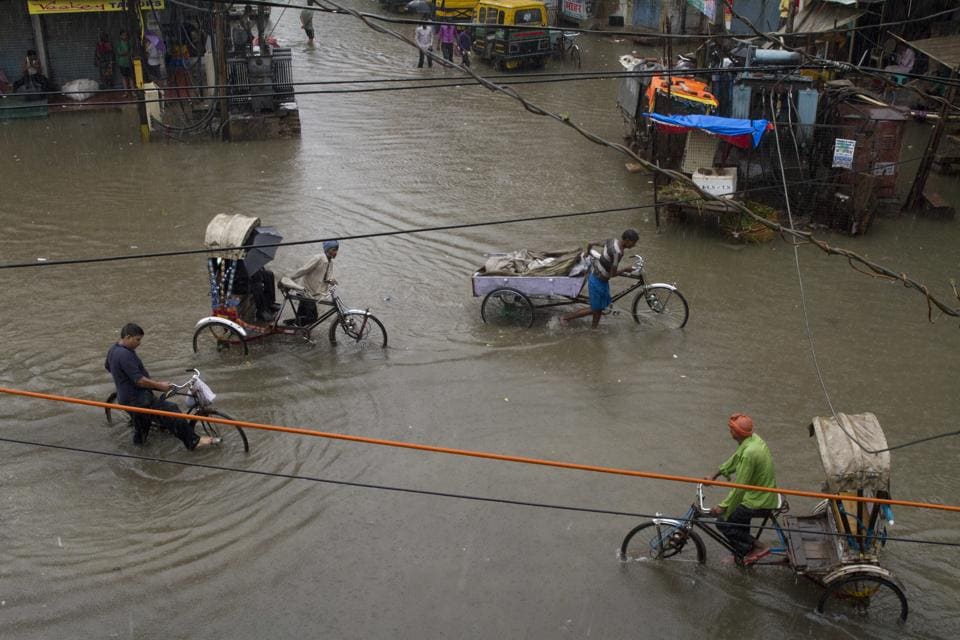
But the unfortunate part is that India has failed miserably to make use of the bounty by not upping its water conservation game. Taking advantage of the good rains, the planners should have gone for fixing the broken water harvesting structures and building new ones on a war footing, educating people on the importance of water management and improving water efficiency in agriculture. Some efforts at drought-proofing the country was seen when the MGNREGA was rolled out. But it is still unclear how much has been done on the ground. If drought-proofing had been done seriously, then we would not have seen such large scale agrarian distress, which can have serious political repercussions.
On the political side too, leaders have failed to lead from the front. During their interaction with MPs, water experts such as Indira Khurana have spoken on the need to invest in long-term water conservation measures with their MPLAD funds by developing a constituency plan for rainwater harvesting. This plan should be based on the rainfall of the constituency and the total water resources available. For this, the MPs can draw up on their constituency’s database of ponds, tanks, lakes, nallahs, streams and rivers. Another step could be ensuring drinking water security of the constituency, create water banks, do water audits and critically encourage water efficiency in agriculture. As things stand now, no one seems to be bothered too much.


