E-Paper



Pokemon Go shouldn’t end up being another casualty in the nation of bans
My first experience with ban came when I was 12 years old. I was obsessed with what was known then as “trump cards” – playing cards with details of popular WWE wrestlers on the flip side.

 Prefer HTon Google


My first experience with ban came when I was 12 years old. I was obsessed with what was known then as “trump cards” – playing cards with details of popular WWE wrestlers on the flip side.
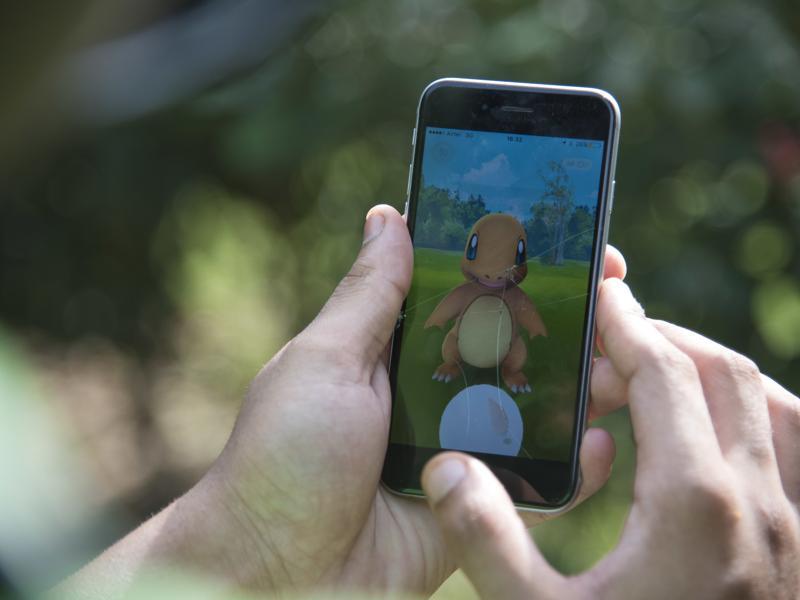
Internet had just started penetrating India and speeds were just a trickle – in the absence of all-consuming social media, my friends and I spend afternoons playing the game, comparing and checking wrestlers’ stats and pushing pressing home work aside.
Exasperated, our parents formed a cabal and took away our cards, threatening to ban the game if we didn’t get back to studies.
More than a decade later, Pokemon Go is a rush of déjà vu – thousands of people, mostly young, spending hours outside work, schools and colleges chasing mythical creatures, walking along familiar and unfamiliar roads, parks, entering buildings and cemeteries.
The biggest craze in decades has whooshed past Twitter and Snapchat in popularity has also attracted notoriety. People have entered homes, frolicked in holocaust memorials and museums and most worryingly, driven into others while engrossed in throwing pokeballs at Rapidash.
India saw its first Pokemon-triggered accident on Monday when a 26-year-old driver was distracted by the Nintendo game and got hit by an autorickshaw. For once, the usually tardy Mumbai Police proved prescient, having issued a warning to Mumbaikars days ago to keep their eyes on the road and not on the creatures that look like giant rats to the uninitiated.
The rush of accidents has triggered growing calls for banning the viral interactive game. Some countries such as Indonesia have restricted public officials from playing Pokemon Go, while others such as Egypt have clamped a ban. Russia thinks Pikachu and his friends resemble a western intelligence gathering ploy and are mulling restrictions.
Read: Augmented Reality: Pokémon Go is just the tip of the iceberg
But a damaged Mercedes bumper notwithstanding, here’s why India shouldn’t ban the game: Pokemon Go is a good thing.
It is getting thousands of bored millenials out of their computer couches and outdoors, giving their Snapchat-weary fingers a rest.
The otherwise muggy Delhi in July has seen scores of Pokemon walks from the greenery of Delhi University ridge to the historical ruins of Mehrauli – citizens’ groups are intertwining tales about the city’s history and geography with tips on the nearest Poke stops. Far more young people are learning about Agrasen ki Baoli than they would have in the absence of Pokemon and Facebook holding sway.
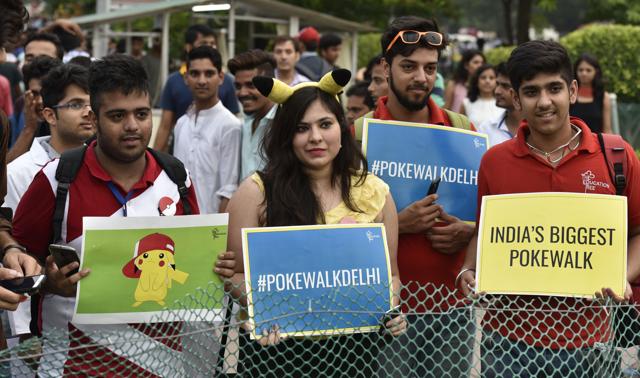
Secondly, in a digital era where human interaction is plummeting and people increasingly lead isolated lives, Gigglypuff and team are helping people unite, form communities and do things together. People have met neighbours they haven’t seen in months, organized community dog walks and thronged parks in the search of the next big Pokemon.
Remember all those bleak opinion pieces saying we’re a civilization in decline because we don’t interact with our fellow beings? That might just be reversed because of Pokemon Go.
But the biggest reason behind not backing a ban is that it simply won’t work.
As a nation notorious for regularly banning books and movies should know, restricted things have a habit of gaining cult underground following.Movies such as India’s Daughter – based on the 2012 Delhi gang rape – were leaked online after they were banned and gained far more viewership than without the controversy.
We don’t have the backing of an authoritarian regime to scour the internet and take down every pirated and cracked version of the game that will appear – thousands of people were playing the game in India weeks before it was officially available.
A decade ago, my mother and friends’ parents quickly realised that a ban doesn’t work – we pooled in money and brought new packs of “trump cards”, finding increasingly innovative spaces to hide them. In the face of stiffer opposition, we moved our obsession first to other games and finally to Orkut.
This horrified our parents, who then realised that the earlier game was much better and didn’t expose us to potential molesters. Let’s not repeat those mistakes again.