
 E-Paper



India wary of IS attacks through Bangladeshi terrorist groups
The Islamic State has claimed several terror attacks in Bangladesh and reports have suggested it is working with cadres of the JMB, responsible for the October 2014 blast in Burdwan. JMB cadres have reportedly shown allegiance to the so-called “caliphate” of IS chief Abu Bakr al-Baghdadi.

 Prefer HTon Google


The Narendra Modi government has started countering the radicalisation threat from the Islamic State though the group’s links with the Jamaat-ul-Mujahideen Bangladesh (JMB) has led to concerns of a possible fallout in the border states of West Bengal and Assam
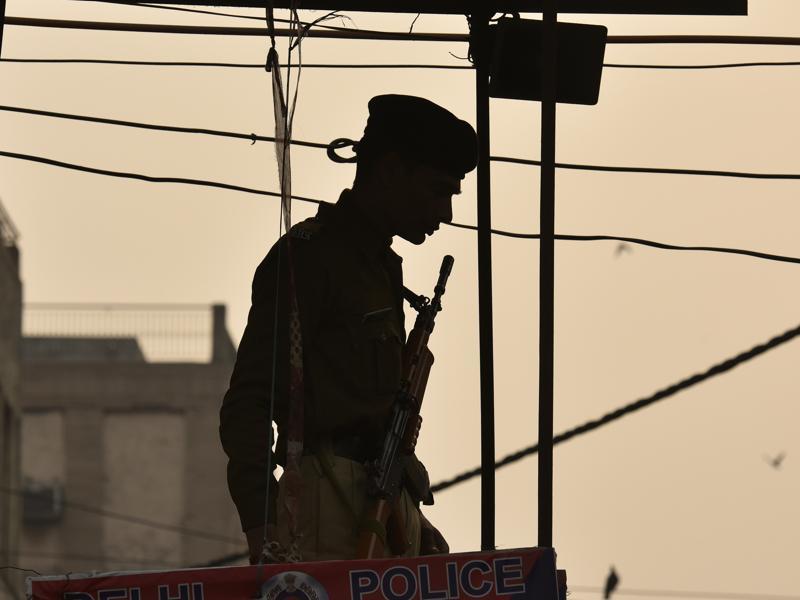
The IS has claimed several terror attacks in Bangladesh and reports have suggested it is working with cadres of the JMB, responsible for the October 2014 blast in Burdwan. JMB cadres have reportedly shown allegiance to the so-called “caliphate” of IS chief Abu Bakr al-Baghdadi.
There is a heightened alert over JMB after the probe into the Burdwan blast showed its cadres had infiltrated border states. During the investigation, security agencies arrested 18 people from Bengal, Assam and Jharkhand.
No less than 10 IS terror strikes have taken place in Bangladesh in the past year, and security agencies are concerned of a possible fallout in Bengal and Assam.
Read | Harkat-ul-Mujahideen module busted in J-K, 5 militants arrested
Sources, however, said there is no evidence of any logistical or financial support to IS activities in India from Pakistan, which itself is reeling under the group’s threat. The IS claimed a recent attack on the Pakistani consulate in the Afghan city of Jalalabad that killed seven.
As the government counters the IS threat, evidence has emerged that busted terror modules in India were funded from West Asia via the hawala route.
With one more person arrested from Aurangabad in Maharashtra on Saturday night, the total number of people arrested for alleged links to the radical fundamentalist group has risen to 16.
Read | Post Pathankot attack, security in Kashmir tightened ahead of Republic Day
Top government sources said the Indian chapter of IS was named Jundal Khalifa (Army of the Caliphate) by so-called Amir-e-Hind Mudabbir Sheikh of Mumbra town in Thane district.
Sheikh, a trained web designer from Thane Polytechnic, was radicalised over the internet in the past two years and was on the scanner of security agencies.
Besides being associated in the past with Wahdat-e-Islam, a splinter group of the SIMI, Sheikh was in touch with Yousuf-al-Hindi, the nom de guerre of ex-Indian Mujahideen terrorist Mohammed Shafi Armar of Bhatkal in Karnataka.
Armar and a couple of ex-IM terrorists are now fighting with the IS in Syria and Iraq.
Read | NIA arrests 13 suspected ISIS sympathisers for plotting attacks
“It is interesting that when Sheikh was picked up, his father Mushtaq told security agencies to take away his son as he was a jihadist. Similarly, the mother of arrested Khushinagar resident Rizwan was happy that her son was taken into custody for jihadist activity,” said a senior counter-terror operative.
Though security agencies have had more than 100 IS sympathisers on their scanner since the Ratlam module was busted last May, they were forced to take action against the Haridwar and Sheikh modules after communication intercepts from West Asia indicated an imminent terror threat to the Indian hinterland.
“Apart from explosives, we have recovered timers, circuit boards and money from the arrested persons, with evidence of modules being funded through hawala route for buying weapons and explosives,” said a senior official.


