
 E-Paper



PM Modi’s Israel trip shows India’s mature approach with focus on economic, security gains | Opinion
Rather than get bogged down by age old intractable political issues, PM Modi is focused on bilateral trade, top end agricultural technologies and regional security in context of Islamic State and other non-state players.

 Prefer HTon Google


With Prime Minister Narendra Modi all set to land in Tel Aviv on Tuesday , India has finally de-hyphenated its relationship with Israel and Palestine, engaging with the two arch-rivals separately and on mutually beneficial terms.
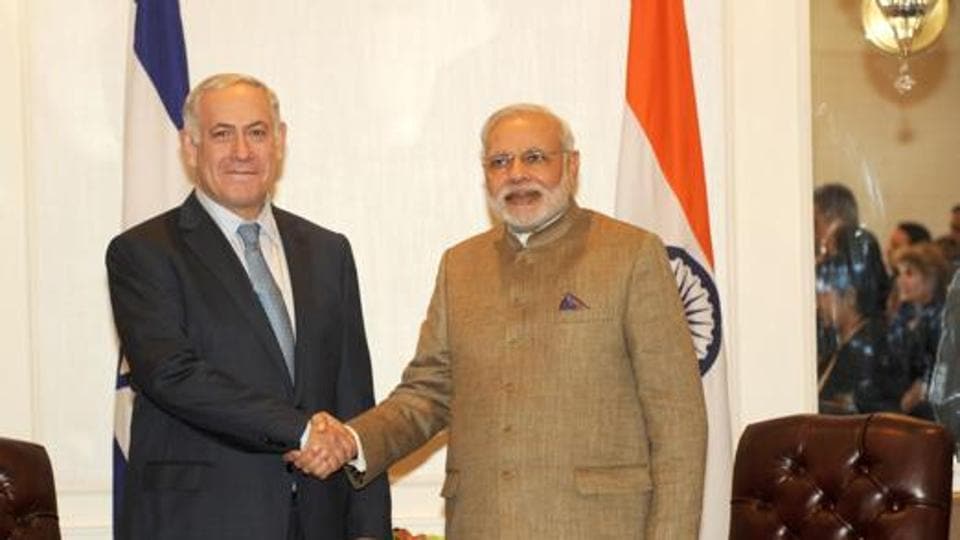
PM Modi has already made a political statement by choosing to stay in Jerusalem, on which Palestine has claims, for all the three days and only going to Tel Aviv for the Indian community event. He is expected to visit Yad Vesham, the Holocaust Memorial, and a trip to the Wailing Wall in the old city was not ruled out. He will be staying at King David Hotel, the same suite as US President Donald Trump during his May 2017 visit.
The political message of the trip is clear – the ruling dispensation is no longer queasy in dealing with Israel as was the case in the past. Whether this queasiness was due to possible impact such relationship would have on domestic politics or on the vast Indian diaspora is a matter of perception. India realises Israel is no longer a pariah with Jerusalem having a working relationship with conservative states such as Saudi Arabia and United Arab Emirates.
Read | Modi’s Israel visit: Defence and fighting terror are pillars of bilateral ties
Although India has been a committed supporter of the two nation theory, with Palestine being a separate entity, national security watchers rue the fact that none of the Arab countries oppose the Organization of the Islamic Conference (OIC) passing resolutions on Kashmir year after year.
Much to India’s chagrin, the Iranian supreme leader Ali Khamenei’s tweet on Eid-ul-Fitr (June 26) exhorted Shia Muslims to rise against the so called tyranny in Bahrain, Yemen and Kashmir.
The Kashmir linkage has not gone well with Raisina Hill and India has made its displeasure known to the concerned quarters through diplomatic channel.
While Modi will be the first Indian PM to visit Israel after PM Ariel Sharon came to India during Vajpayee regime in 2003, New Delhi is more focused on the economic benefits of the visit and is not out to score political points with the Middle East teetering from one crisis to other.
Rather than get bogged down by age old intractable political issues, PM Modi is focused on bilateral trade, top end agricultural technologies and regional security in context of Islamic State and other non-state players. He understands the clout of the Jewish community in global financial markets and a good word from them could lead to long term economic benefits for India.
(The views expressed are personal.)
Read | PM Modi’s visit to Jerusalem: Defence still top priority in India-Israel ties


