
 E-Paper



PM Modi’s visit to Jerusalem: Defence still top priority in India-Israel ties
India and Israel forged a close military and security relationship during the 1999 Kargil war with Tel Aviv supplying top of the line Searcher Mark II UAVs to reconnaissance the Pakistani intrusion area in Drass, Kakser and Batalik sectors.

 Prefer HTon Google


Even though South Block is at pains to stress that there are no military deals during PM Narendra Modi’s three-day trip to Jerusalem, defence and homeland security ties continue to be the cement that binds India and Israel together.
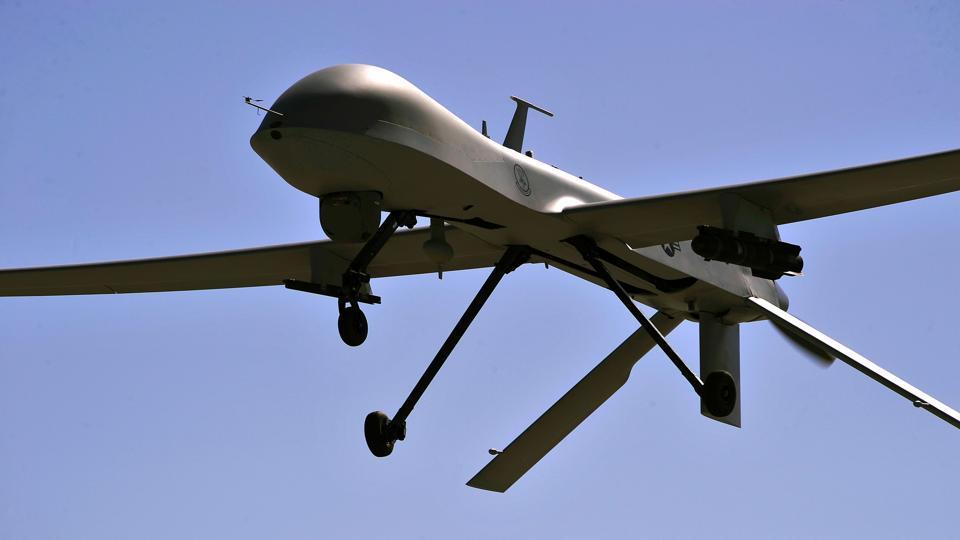
With US offering Intelligence, Surveillance, Target Acquisition and Reconnaissance (ISTAR) aerial platform, the defence ministry is expected to take up the armed unmanned aerial vehicle (UAV) Heron TP offer from Israel to beef up its counter-terrorist and military deterrence capability along the borders.
“ The basic plan is to integrate the Raytheon manufactured ISTAR platform to convey ground movement using dual movement radar to the armed UAV for counter-strikes using missiles or laser guided bombs against terrorists or moving military targets,” said an official.
The ISTAR has been used in Afghanistan since the past decade, while Heron TP with multi-mission payload offer was already discussed with then defence secretary G Mohan Kumar during his visit to Israel on April 24-26, 2017. The Heron TP has been shown to visiting Indian defence and external affairs ministry officials though the UAV will have to be manufactured as it is not available off the shelf.
Although top Indian officials hint at behind the scenes hi-end security technology agreements during the visit, security agencies in New Delhi are looking towards Israeli nod for communication interception software that can interdict internet based chat platforms for targeting terrorists or hostiles. Already the two sides have a robust institutionalised mechanism to share data on terrorists and hostile countries.
India and Israel forged a close military and security relationship during the 1999 Kargil war with Tel Aviv supplying top of the line Searcher Mark II UAVs to reconnaissance the Pakistani intrusion area in Drass, Kakser and Batalik sectors. Later, Israeli companies armed Indian multi-role fighters like Miraage-2000 with Litening pods to paint the Pakistani targets for a laser guided bomb attacks. It also provided Barack surface to air missiles to protect then Indian aircraft carrier Viraat.
The relationship deepened after Israel quietly landed three C-130 J Hercules load worth of much needed ammunition and missiles in the first week of June 2002 as India was all set to answer for May 14, 2002 massacre of 10 women and 8 children at Kaluchak army camp in Jammu by Pakistani terrorists.
While the focus of PM Modi’s visit is to expand the 25-year-old relationship through free trade agreement and bilateral investment, the two sides will be sharing critical technology in the cybersecurity area to guard against malware attacks by the neighbouring adversaries.


