The festival of Bhai Dooj, which celebrates the special bond between brothers and sisters, will be observed on November 11 according to Hindu calendar. Also known as Bhaiya Dooj, Bhau Beej and Yama Dwitiya, the festival falls on the second day of Shukla Paksha in the Hindu month of Kartik. On this occasion, sisters apply tilak on their brothers' foreheads and pray for their long life, good health and prosperity.
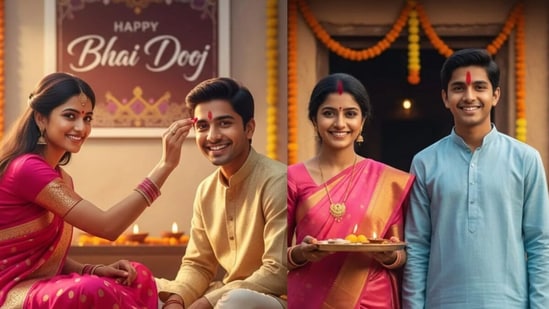
According to Drik Panchang, the Dwitiya Tithi begins at 2:00 PM on November 10 and ends at 3:53 PM on November 11. The Aparahna period is considered auspicious for performing the traditional tilak ceremony. Here is everything you need to know about the date, shubh muhurat, tithi and religious significance of Bhai Dooj 2026.
Also Read Bhai Dooj 2026 in USA: Date, Muhurats, timings and the spiritual significance of the festival
When is Bhai Dooj 2026?
Bhai Dooj will fall on Wednesday, November 11, 2026. The festival takes place on Kartik Shukla Dwitiya, two days after Diwali. It marks the final day of the five-day Diwali celebrations in many parts of India.
Bhai Dooj shubh muhurat and tilak timings:
According to Drik Panchang, the auspicious Aparahna Muhurat for Bhai Dooj in New Delhi will run from 1:10 PM to 3:20 PM on November 11. The duration will be 2 hours and 10 minutes.
{{/usCountry}}According to Drik Panchang, the auspicious Aparahna Muhurat for Bhai Dooj in New Delhi will run from 1:10 PM to 3:20 PM on November 11. The duration will be 2 hours and 10 minutes.
{{/usCountry}}The Aparahna period will run from 12:27 PM to 2:41 PM. Since puja timings depend on the local Panchang, you should check the timings for your city before performing the ritual.
Also Read Panchang Today, November 11, 2026: Shukla Dwitiya under Anuradha Nakshatra
Bhai Dooj 2026 Dwitiya Tithi timings:
As per Drik Panchang, the important tithi details are:
- Dwitiya Tithi begins: November 10 at 2:00 PM
- Dwitiya Tithi ends: November 11 at 3:53 PM
What is the significance of Bhai Dooj?
Bhai Dooj celebrates the love, trust and affection between brothers and sisters. Sisters perform the tilak ceremony, offer prayers and perform aarti for their brothers. They pray for their happiness, good health and long life. Brothers, in return, express their love by giving gifts and promising to support their sisters.
The festival also carries religious significance because people associate it with Yama, the Hindu god of death, and his sister, Goddess Yamuna.
The story of Lord Yama and Goddess Yamuna
According to Hindu mythology, Goddess Yamuna once invited her brother Yama to her home for a meal. He accepted her invitation and visited her on Kartik Shukla Dwitiya. Yamuna welcomed him with a tilak and offered him food.
Also Read Did you know about Yama Deepam? The lesser-known Dhanteras ritual and its spiritual meaning
Touched by her affection, Yama granted her a boon. He declared that brothers who visit their sisters and receive their blessings on this day would enjoy happiness and prosperity. This belief gave the festival its other name, Yama Dwitiya.
The tradition continues today as families come together to celebrate the special relationship between siblings.