E-Paper



Activists fret over fate of Munna, the Kanha tiger suspected of killing 3 people
Conservationists and wildlife enthusiasts have petitioned Kanha tiger reserve authorities to protect Munna from possible attempts by villagers to kill the big cat which is suspected of killing three humans besides several cattle, one of the signatories told HT on Tuesday.


In the wilds of Kanha, the hunter has become the hunted. And under threat is Munna, a 15-year-old tiger who has ruled over the game reserve for more than a decade.
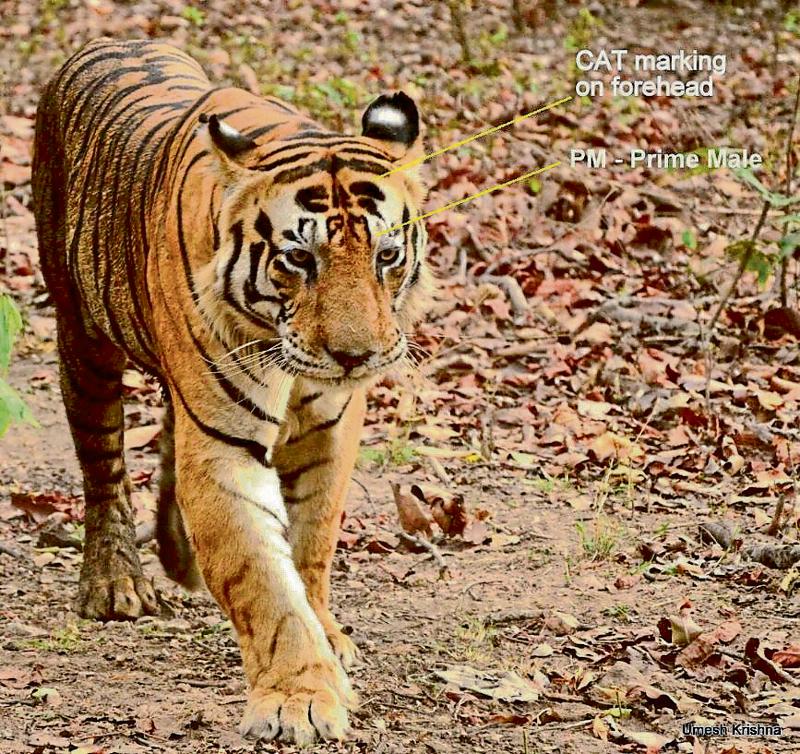
Conservationists and wildlife enthusiasts have petitioned Kanha tiger reserve authorities to protect Munna from possible attempts by villagers to kill the big cat which is suspected of killing three humans besides several cattle, one of the signatories told HT on Tuesday.
Though there is no evidence to link Munna to the three human deaths, one villager’s body bore signs of a tiger attack.
Hundreds of animals including leopards and elephants have been killed by people in India over the past decade as shrinking forest space has brought humans and animals into direct contact.
Read: MP: ‘Terrorised’ by tiger, tribals near Kanha back on tantric ritual
Though locals killing tigers is rare, the wildlife enthusiasts fear that villagers living in the periphery of Kanha may try to avenge the death of the three people and target Munna, which is now past its prime and is said to be too old to hunt its natural preys.
“Munna, who made our Kanha world famous, has drifted to the buffer (zone) after a territorial fight with (a) younger male. He is making constant cattle kills which might anger the locals…,” said the letter signed by more than a hundred people and addressed to the Kanha field director JS Chauhan.
The wildlife conservationists and enthusiasts, from Madhya Pradesh and Maharashtra, have asked the authorities to track Munna’s movement.
Recently villagers conducted a tantric ritual and sacrificed an animal to shoo away the tiger back into the reserve’s core area.
The petitioners pointed out that Kanha has witnessed a major surge in tiger deaths this year with eight big cats falling prey this year. Kanha has over 80 tigers and 25 cubs.
Read: Rise in tiger deaths: Focus shifts from Pench to Kanha Reserve
Overall, 20 tigers have died in MP since January 1.
Wildlife experts feel that because of old age Munna, is now going for easy kills – that of cattle.
“Over a 100 wildlife lovers have emailed the same letter to Chauhan, stressing continuous tracking and monitoring of Munna, so that there is no danger to Kanha’s famous tiger,” said wildlife conservationist Umesh Krishna.
Krishna said that since Munna was preying on cattle due to old age, it was also a potential threat to human life.
He said they have requested the field director to take necessary action to avoid and prevent human-animal conflict by monitoring Munna’s movements or by keeping him away from the villages.
Field director Chauhan said human-animal conflicts are rare in Kanha.
“We are doing best to ensure no one harms Munna in the villages. Though Munna has been moving in the area where three bodies were found, he is not the one who killed a person on June 18. And there is no evidence that other two people were killed by any wild animal,” he said.
He said in last five years, there had been just two deaths due to tiger attacks.