
 E-Paper



Review: Hubris Maximus; The Shattering of Elon Musk by Faiz Siddiqui
It is clear that his every pursuit (professional and political) is motivated by self-interest – a fact that didn’t escape the US president

 Prefer HTon Google


The fever dream of tech bros in Bangalore, an aspirational figure for the US right-wing and an idol for watchers of The Joe Rogan Experience, Elon Musk sums up everything that’s wrong with the world right now. Faiz Siddiqui, tech reporter at The Washington Post, and author of Hubris Maximus believes Musk is a narcissist who disguises his greed as concern for the world at large and describes him as having “little regard for the consequences of his actions”. His evident disdain for bureaucrats and those who create unnecessary hurdles for him, causing delays in his righteous pursuits also cement him as a personality adept at sidestepping ethical, legal and moral responsibilities.
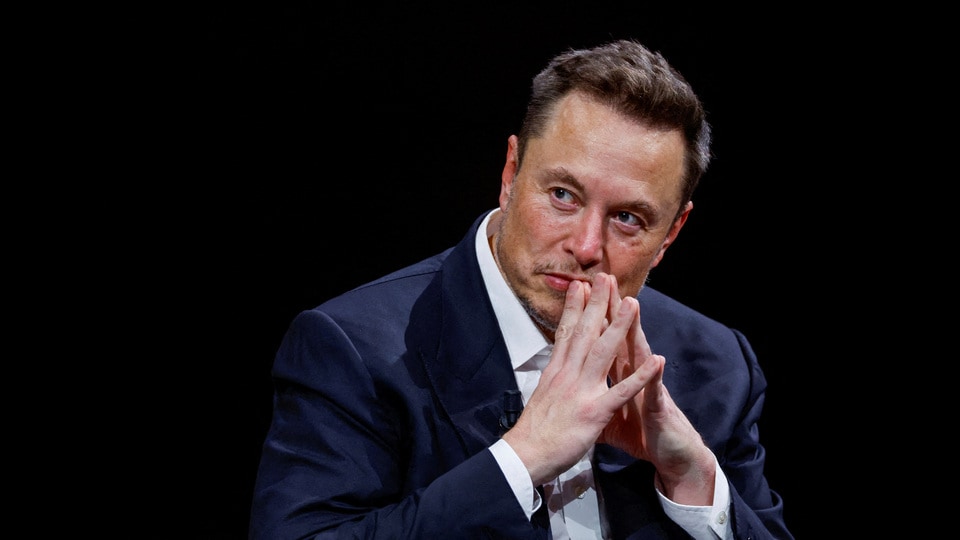
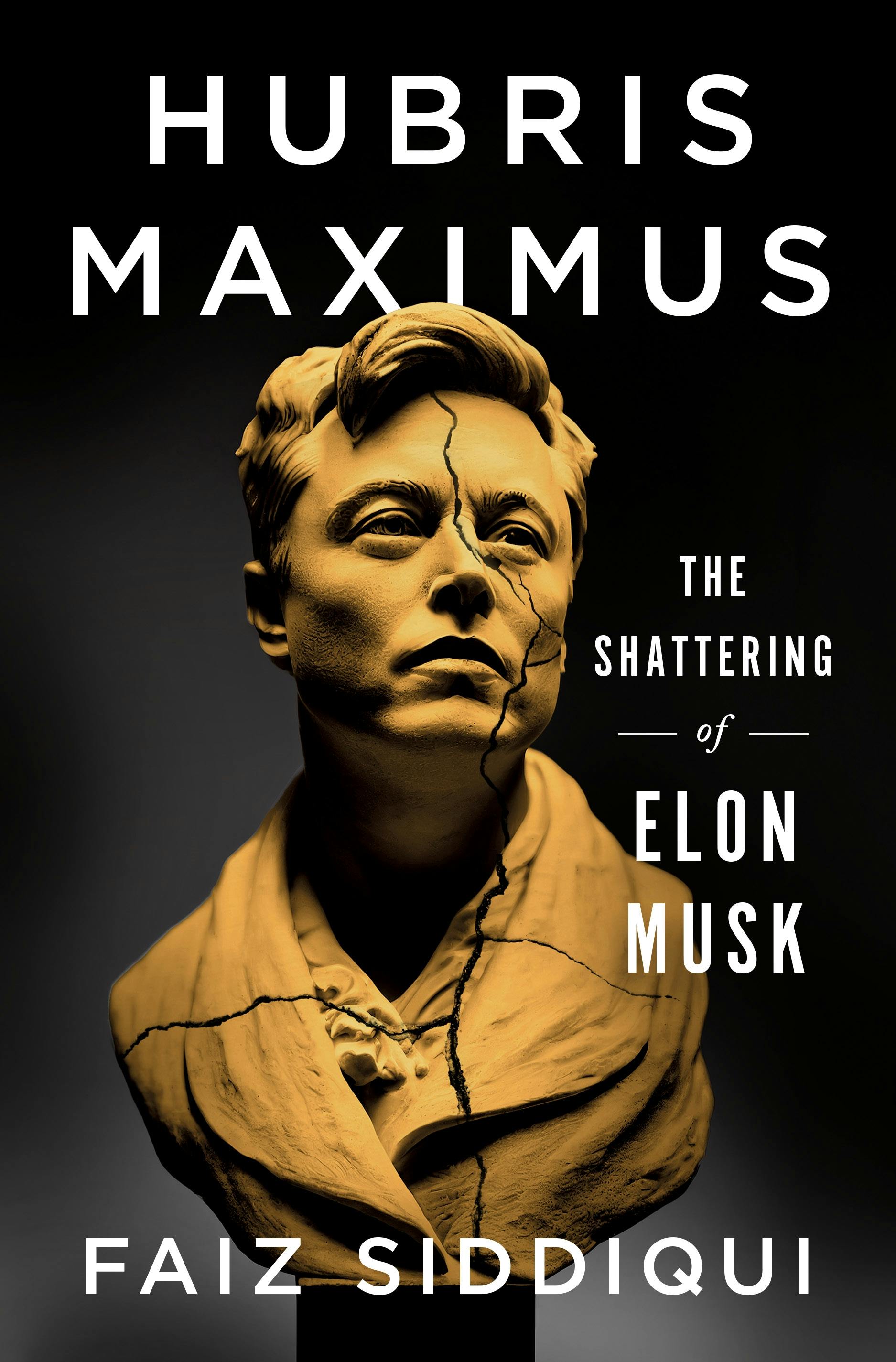
Siddiqui focuses on all these aspects over 17 chapters that are full of lesser-known anecdotes about Musk. Interviews with sources (most of whom have worked with the man in a professional capacity) illustrate just how self-absorbed he is. In 2024, Musk, who has now famously fallen out with Trump, was appointed Senior Advisor to the US president and put in charge of his brainchild, the Department of Government Efficiency (DOGE).
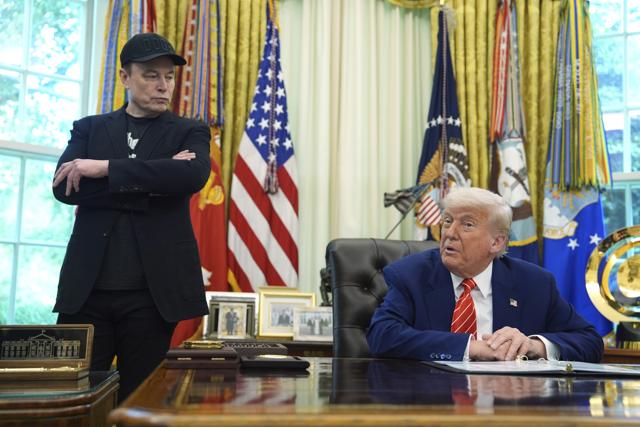
It is clear that his every pursuit (professional and political) is motivated by self-interest – a fact that didn’t escape the US president, as is evident in his recent statements. Musk said he was politically active in the 2024 US Presidential elections because he thought “if we don’t elect Trump, we will lose democracy”. He was more truthful in an interview with FOX News anchor Tucker Carlson. “If he [Trump] loses, I am f*****,” he said. He did have a lot on the line. He faced scrutiny from the Federal Trade Commission (FTC), the Securities and Exchange Commission (SEC), and the Federal Communications Commission (FCC) about Twitter and Tesla. “He was projecting those personal worries onto humanity itself” writes Siddiqui. It seemed like the election outcome would decide how much power he wielded. At the time, the right-wing gobbled up Musk’s statements. Clearly, the idea that he bought Twitter at $44 billion for selfish gains and not really because he wanted to defeat the ‘woke mind virus’ was unfathomable for many blind followers.
“Musk, however misguided he may be at times, is unyielding”, Siddiqui writes, arguing that he just won’t stop, even if he fails. Based on his detailed analysis of his persona and psyche, Siddiqui argues that even if DOGE had been a huge success, Musk would still have thought of yet another new goal for the ‘betterment of humanity’. “I know how smart this guy is and how much money he had and how ruthless he is and it is all playing out in front of my life,” says Derek Proudian, who worked with Musk on Zip2.
Apparently, the second richest man in the world once stated that he is the “reincarnation of the spirit of Alexander The Great” and that his Samurai spirit will commit seppuku (ritual suicide) if he fails in his ventures. This and the author’s observations about his persona leads the reader to think that perhaps Musk might not be entirely sound of mind.

This becomes evident in the section on Musk’s unhinged behaviour at Twitter headquarters in San Francisco shortly after he bought the company. He asked many employees to commit to his vision of ‘hardcore Twitter’ or accept three months of severance pay. Some of these workers were immigrants and stood to lose their work visas if they didn’t fall in line. Musk, born in South Africa, is an immigrant himself – something that President Trump has been riffing on since their big falling out. During the initial weeks of chaos following the takeover, many longtime employees quit. Musk also made some employees of Tesla, a publicly owned company, work for X, which is private. His many goof-ups included banning journalists who were reporting on the takeover, banning Twitter accounts which gave out the location of his private jet (so much for environmental activism), a meltdown on Twitter spaces, and erratic decisions including but not limited to firing those who didn’t agree with his vision. All this the author gleaned from carefully placed sources at the company (many of whom spoke to him on condition of anonymity). Unsurprisingly, Musk isn’t a fan of Siddiqui’s work. At one point, he wrote him an email saying “Give my regards to your puppet master” – a reference to rival tech tycoon and currently the richest man in the world, Jeff Bezos, who owns The Washington Post.
We are now into the latter half of 2025 and much has happened since this book was published in April. Perhaps even a master of speculative fiction couldn’t have imagined as spectacular an end to the Trump-Musk bromance. Still, that doesn’t mean Hubris Maximus is utterly dated. Indeed, it’s quite an acute picture of the man who stated “I just want to make Twitter fun again” but has done just the opposite.
Deepansh Duggal writes on art and culture. Twitter: @Deepansh75.


