
 E-Paper



Review: Maya: The Biography of a Tiger by Anant Sonawane
The journey of the Tadoba-Andhari Reserve’s most famous female tiger inspires a deep appreciation for these magnificent cats

 Prefer HTon Google


Originally written in Marathi as Ek Hoti Maya, journalist-turned-conservation communicator Anant Sonawane’s Maya: The Biography of a Tiger traces the 11-year journey of the most famous tigress of Maharashtra’s Tadoba-Andhari Tiger Reserve with gentle care, even as it resists the urge to deify her or turn her into a man-eating monster.
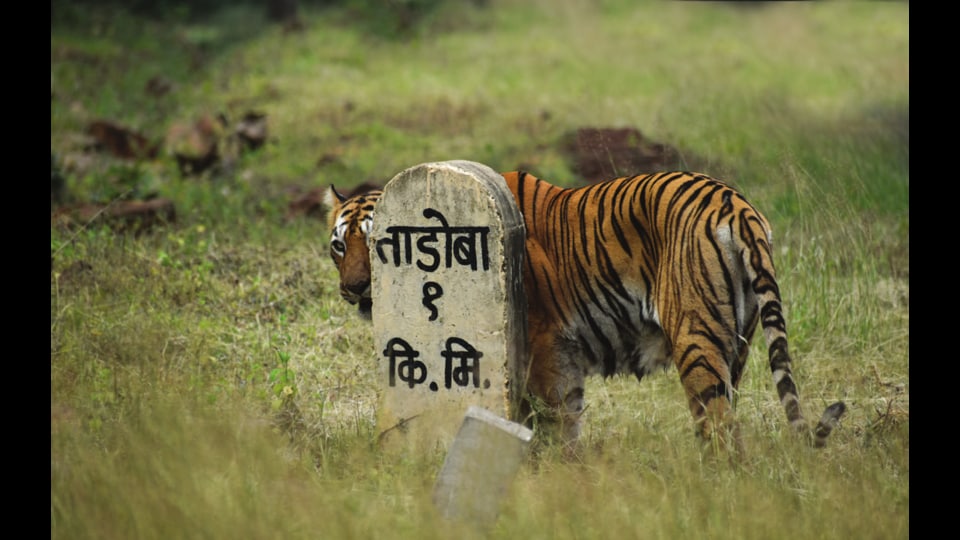
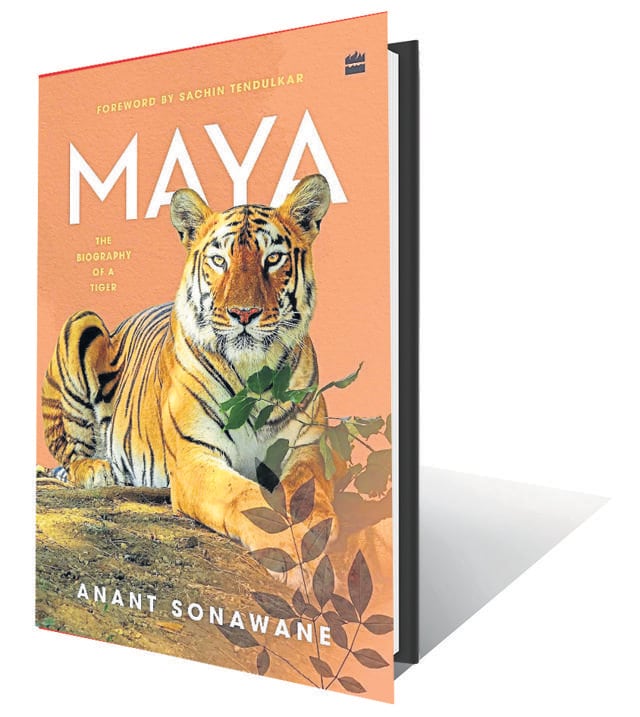
Born in 2010, Maya was orphaned early. Yet, even before her mother Leela’s untimely death, the forest staff and tourists had taken a liking to this little, spunky cub. She would, out of curiosity, check out safari jeeps up close, giving tourists plenty of opportunity to photograph her. Her unusually friendly and relaxed encounters made her the darling of the reserve, and soon enough tourists came looking for Maya.
From her mother, she inherited the prime territory, rich in water and prey, that is part of the Tadoba tourism zone. This made her easily visible to tourists; but this was also territory that was difficult to defend. Multiple tigers frequently encroached her range and guarding it from them was a task. Sonawane writes that these challenges turned Maya into a skilled hunter, sharp strategist, and fierce defender. She often mated with more than one tiger to confuse them, and save her cubs from their wrath. Tigers are known to kill cubs that they have not fathered.
Sonawane writes in his introductory note, “It was this constant tension – the balance between strength and vulnerability – that drew me deeper into her story… The more I explored her story, it felt less like the life of a tigress and more like that of a cinematic heroine. There was everything – emotion, drama, striking visuals and unforgettable moments. To capture that richness through photographs alone felt inadequate. Maya’s journey deserved a narrative of its own.”
Therefore, this biography is not merely anecdotal, but based on solid facts. It is full of breathtaking photographs with sketches and maps thrown in to ease comprehension. Forest department records are referred to and wildlife experts consulted to understand the behaviour and tough life of a tigress in the wild.
Born to Leela and Hilltop Male, Maya got her name from the M mark on her shoulder. Officially she was T12. During her lifetime, she mated with Gabbar, Namdev, Matkasur, Tala and Balram. She had 12 cubs in all, of which only two made it to adulthood.
The first time Maya was noticed on her own, she stunned tourists with her cuteness. Unfazed at their presence, or the constant clicking of their cameras, she posed fearlessly, stopped to sniff a parked motorcycle and then walked away with the guard’s lunchbox that was hanging from the bike’s handlebar.
After her mother’s passing, she seemed lost and distraught. So much so that when she found a langur a few feet away from her, she did not pounce. It was only when the langur came up and smacked her face that she charged at him.
Gradually, she claimed her territory, marking it with her scent, and regularly patrolling it. She often hunted in front of tourists or proudly carried her kill as she walked past them. She surprised them once by caressing a spotted deer fawn. The onlookers thought that she was preparing for the kill but she let go of the fawn after a playful interaction lasting a few minutes.
Gabbar, who had an imposing personality, was the first tiger in Maya’s life. Sonawane drops biological facts regarding tigers to make the readers understand the mating process, which lasts around a week. When Maya was fully pregnant, she disappeared from public view, emerging a month later with her tiny cubs.
Maya’s next partner was Maktasur, whom she threw away from her territory once after a violent encounter. However, he returned and this time, Maya accepted him. “The very next day, Maktasur hunted a sambar and presented it to Maya as a gift. From then on, the two were often seen together,” writes Sonawane.
The author extracts the many layers of the personality of Maya, who, while becoming the face of the tiger reserve and driving tourism, was blamed for taking four human lives. Two months after she was seen caressing a fawn, she attacked and killed her first human who had trespassed onto her territory.
As the spotlight was always on her, Maya’s detractors believed her contribution to the reserve was minimal and that she was a careless mother. Only two of her male cubs survived. The author defends Maya, saying that she had to face challenges that other tigers did not. Over the years, she had to defend her territory – one that was rich in natural resources and completely worth fighting for -- against the simultaneous incursions of five male tigers.
The author defends Maya’s killing of four humans too. He emphasises that all those killed were in a crouching position and could have been mistaken for prey. Sonawane states that Maya was a wild tigress, not a domesticated cat, and resided in her natural habitat where all her instincts were driven by the laws of nature. He also throws in scientific facts about humans not being natural prey for tigers and cites several instances where Maya holds her “durbar”, thoroughly enjoying the attention showered on her by tourists, never once attacking anyone. In fact, her most famous photograph was of embracing her cub in full public view in January 2016. This photo amassed millions of online views and eventually a ₹25 postage stamp bearing the image was released to mark World Tiger Day.

He concludes that Maya may not have been able to increase the tiger population, but her “contribution to Tadoba’s visibility – and by extension, to conservation – is undeniable”. “The revenue generated from increased tourism provided funds that the forest department could use for conservation efforts. Moreover, it created employment for thousands of locals, fostering greater community involvement in conservation,” he asserts.
The book is well-written and very moving but the details are often sketchy and the reader is left yearning for more stories about Maya’s life and adventures. Still, Anant Sonawane has succeeded in inspiring empathy, respect and a deeper appreciation for the life of wild tigers, which is the goal of this book.
Lamat R Hasan is an independent journalist.


