
 E-Paper



Review: Renaissance State: The Unwritten Story of the Making of Maharashtra by Girish Kuber
From Shivaji and the Maratha empire to personalities like Phule, Bhandarkar and Pandita Ramabai, from freedom fighters like Gokhale and the radicals of the Left and the Right to BR Ambedkar and the anti-caste Dalit movement, Maharashtra has been at the forefront. A new book provides insights into the state that is still to get the national recognition it deserves

 Prefer HTon Google


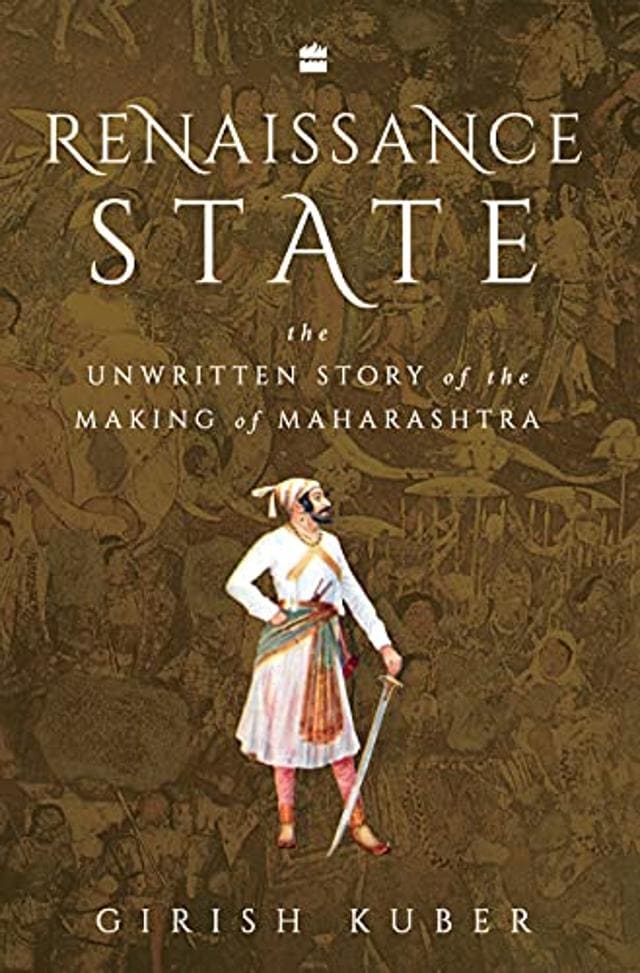
A renaissance is a revival of or a renewed interest in something. The word brings to mind the intellectual ferment of Europe in the 16th and 17th centuries. Few associate it with the shifting state of affairs in India and with one of the nation’s most dynamic states, which is the subject of senior journalist Girish Kuber’s new book.
This concise volume, that avoids basic and repetitive information and dreary language, provides a picture of a state that has always had the potential to influence but has somehow been unable to sustain its reputation on the national scene. It looks at both, the early Hindu rulers of Maharashtra who left a wide-ranging legacy and at a later period of Islamic rule that brought chaos in its wake. As Sun Tzu said, “In the midst of chaos, there is also opportunity”. That opportunity was seized by a worthy ruler who changed the course of history.
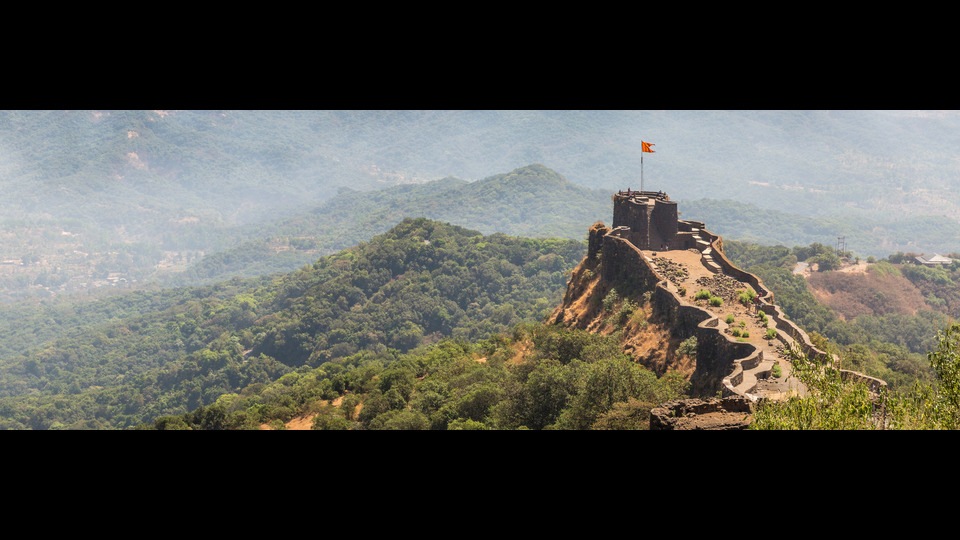
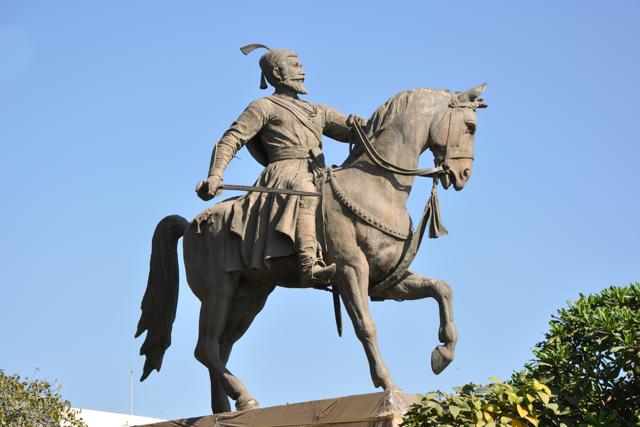
The region that came to be the modern state of Maharashtra has two clear-cut eras – before Shivaji and after him. Before his arrival and the subsequent establishment of Hindavi Swarajya, there were no serious change makers. In the chapter Why Shivaji matters, Kuber has carefully examined his mindset, journey, and overwhelming influence beyond Maharashtra to explain what made him a unique figure.
The sporadic fire of Swarajya grew with Balaji Vishwanath, the Peshwa under Shivaji’s grandson Chhatrapati Shahu. Balaji’s son Bajirao I’s acumen as one of the greatest generals ever is not sufficiently acknowledged in our history books though he was the one who fulfilled Shivaji’s dream of a powerful Maratha empire. Renaissance State’s chapters on the Peshwas must be read and understood in the context of Indian history. The Marathas were the last men standing between the British and the total subjugation of the subcontinent and the 1761 defeat at Panipat was the starting point of the descent into darkness with their eventual defeat in the Third Anglo-Maratha War (1817-1819) leading to centuries of British dominance.
However, the region now congruous with the modern state of Maharashtra rose from the debris of that confrontation to become the epicentre of immeasurable change. The names of personalities like Lokhitwadi, Mahatma Phule, Sir Ramkrishna Gopal Bhandarkar, Mahadev Govind Ranade, Vishnushashtri Chiplunkar, Dhondo Keshav Karve and Pandita Ramabai who contributed to transforming a largely orthodox society into a progressive, educated and culturally developed one are now recognised across India. Others like Balshashtri Jambhekar, a polyglot professor at Mumbai’s Elphinstone College who took up socio-economic issues and laid the foundation of Marathi journalism with his Darpan (est. 1832) are less known. But all these figures contributed to putting the region at par with Bengal in terms of political and social ferment in the colonial period, much more so than other parts of the nation.
Kuber charts the journey and influence of such doyens of Indian politics as Bal Gangadhar Tilak, Gopal Ganesh Agarkar and MK Gandhi’s guru Gopal Krishna Gokhale. The book does not neglect those who shone in other spheres including Dadasaheb Phalke, Shivkar Bapuji Talpade, Mahadev Namjoshi, Vishnupant Chatre and Dr Shankar Abaji Bhise.
The early decades of the twentieth century saw much political activity. Chapter 13 shows how the region was fertile ground for movements that went on to transform India. Radicalism on the Left and the Right, Socialism and humanism too consolidated here leading to the emergence of the anti-caste Dalit movement. While the author explains the rise of the Hindu Mahasabha and the RSS, not neglecting names like Savarkar, Godse and Hedgewar, he also shines a light on leftists like Khankhoje and Bhai Dange.
The progressive impulse of the late 18th century found expression with the princely states of Kolhapur and Baroda establishing reservations for the oppressed. This played a major role in the emergence of Dr BR Ambedkar who challenged orthodox Hinduism for its treatment of those deemed as lower castes and went on to be known as the Father of the Indian Constitution.
Much space is rightfully given to the creation of the state of Maharashtra and its subsequent political journey. As one of the book’s chapter titles suggests, the state’s trysts in the political corridors of Delhi have tended towards being So Near, Yet So Far. The author also shows the clarity with which things worked until the political upheaval of 2019 that has had an impact on state and national politics.
Kuber’s objective unfolding of every account makes this an illuminating and engaging read. In sum, Renaissance State; The Unwritten Story of the Making of Maharashtra is a skilful description of the state’s journey.
Sapna Sarfare is an independent journalist. She lives in Pune.


