
 E-Paper



Women’s Day for feminists: Here’s to women owning their days and nights

 Prefer HTon Google


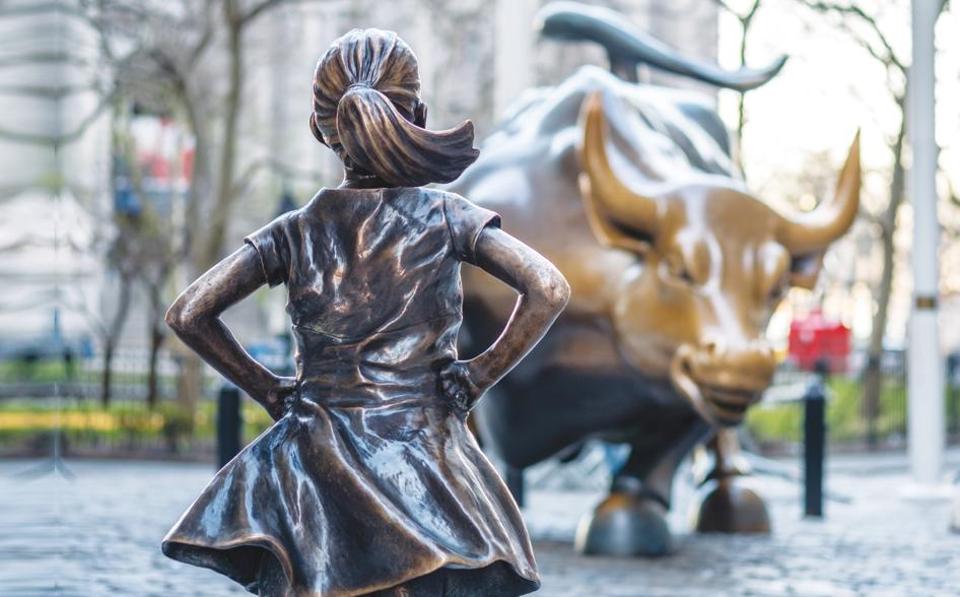
It’s liberating to drop the mask of being shiny, happy people at all times
I was recently told by a brand I write for that they’d like to send me some Women’s Day presents. I have complicated thoughts about symbolic days, but these people make beautiful clothes using Indian crafts, so I was quite pleased. As ever, there was a catch. I had to send in a few words expressing my thoughts about the occasion. I went for the knee-jerk, smartass response: “I wish for a day when there wouldn’t be any need for a day such as this.” I hope they haven’t changed their minds.
Gully ki ladki
A few months ago, I was thrilled at the thought of a Bollywood drama that centred around the subject of same-sex female love. Ek Ladki Ko Dekha Toh Aisa Laga is a title of brilliance. From the male gaze to the female gays (sorry!), the turnaround was exhilarating. But watching the movie, I was disappointed to see so little of the two ladkis the title promised. The film undoubtedly had the right intentions when it comes to advocating freedom of sexual orientation. But in its obsession to appeal to a heteronormative audience, it failed to give the two women’s relationship adequate screen time. And not having a female version of the title track was a bewildering choice.
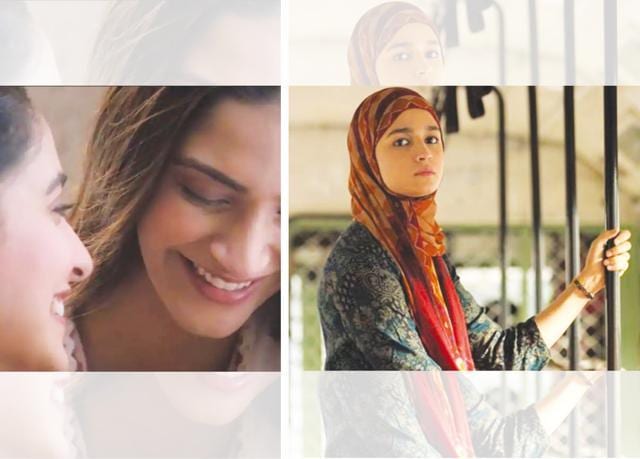
From a feminist perspective, Alia Bhatt’s Safeena in Gully Boy – a Muslim medical student raised in Dharavi, clandestinely dating a boy from the basti for close to decade – was a treat to watch. With the face of an angel, the head of a doctor and the instincts of a street cat, Safeena is a character who’s (gratifyingly) not interested in being liked. In fact, that’s what Jane Austen said about her novel Emma: “I am going to take a heroine whom no one but myself will much like.”
“Reject likeability”
In 2016, a friend of the Nigerian writer Chimamanda Ngozie Adichie requested the author for advice about how to raise her newborn daughter as a feminist. Adichie replied by publishing a 15-point manifesto on her Facebook page, dedicated to the baby girl. The manifesto, now available in book form with the title Dear Ijeawele, is full of valuable suggestions such as: “Teach her that the idea of ‘gender roles’ is absolute nonsense.” Or: “Teach her to question language.”
My favourite is No. 8. “Teach her to reject likeability. Her job is not to make herself likeable, her job is to be her full self, a self that is honest and aware of the equal humanity of other people.” It’s an empowering thought for days when one feels inadequate: “Show her that she does not need to be liked by everyone. Tell her that if someone does not like her, there will be someone else who will. Teach her that she is not merely an object to be liked or disliked, she is also a subject who can like or dislike.” A book to buy (especially) for all the little women in your life.
Women without masks
I’m privileged to be surrounded by women who do inspiring work. From social entrepreneurs to special educators, and from LGBTQ activists to environmentalists, these are women who show up for those who need support every single day. Then there are the writers, actors and homemakers who put themselves out there every single day, on the page, stage or plate. Women who make factories better places to work in and hospitals more cheerful, gardens greener and communities richer.
There’s one thing that connects all these vastly different women; they doubt themselves. Chronically. Impostor syndrome is the name given to the persistent fear of being discovered as a fraud, no matter how high-achieving one might actually be. I suffer from this crushing fear myself and I’ve heard it echo in so many women’s voices. It comes not so much from doubting one’s innate worth as from the terrible burden of expectation. How liberating it would be for women to drop the pretence of being shiny happy people born to nurture. Here’s to women owning their days and nights.
To the smilers, stoics and sulkers, working hard at becoming who they really are. Now where are those Women’s Day freebies I was promised?
From HT Brunch, March 3, 2019
Follow us on twitter.com/HTBrunch
Connect with us on facebook.com/hindustantimesbrunch
Follow @HTBrunch on Twitter


