Apart from the war on black money, the government’s move to ban old Rs 500 and Rs 1,000 banknotes was also a push towards a cashless economy (the old notes constituted 86% of the total money in circulation) . Ever since November 8, the Centre has announced a number of sops to push for a cashless economy -- discount on buying petrol and diesel through cards, waiving off of service charge on card transactions up to Rs 2,000 and no transaction fees on public dealings with PSUs if they are done digitally, among others.
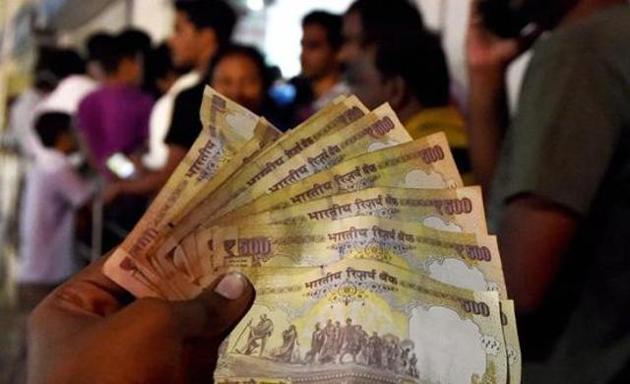
But is India ready for a cashless society? Or how feasible is it for people to actually go cashless?
Two-thirds of Indian population live in rural areas. The number of bank branches and ATMs are far and few and very few people actually have bank accounts. Besides, most shops in these areas do not have the infrastructure to accept digital payments or plastic money.
There are around 1.45 million point of sale (PoS) machines in use in India, which makes it around 856 PoS machines per million people.
In a population of around 1.3 billion, India has only 662 million debit card holders as of March 31, 2016, according to RBI data. Most people use their debit cards only to withdraw cash.
Around R27 lakh crore worth of transactions happened through debit cards in 2015-16. Out of these, 92% were cash withdrawals from ATMs.
{{/usCountry}}Around R27 lakh crore worth of transactions happened through debit cards in 2015-16. Out of these, 92% were cash withdrawals from ATMs.
{{/usCountry}}And people still prefer to withdraw money through cheques and slips.In 2015-16, cash withdrawal using plastic cards in India was only 32% of the total cash withdrawals; the rest of the money was withdrawn using paper clearances like cheques.
Lack of required infrastructure is another roadblock to the country’s digital drive. India’s mobile teledensity -- the number of telephone connections for every hundred individuals living within an area -- is 81, whereas in rural is areas it is even less – 51, according to TRAI data. Though India is the fastest growing as well as the second-largest smartphone market, there are just a little over 300 million smartphone users in India. The majority still use feature phones.