
 E-Paper



Pharma firms turn to foreign lands for manufacturing
In a move that can go against Prime Minister Narendra Modi’s much-hyped ‘Make in India’ initiative, domestic drug makers are hunting for manufacturing hubs on the foreign lands citing regulatory delays, increased cost of land and spiking cost of unskilled labour in the country.


In a move that can go against Prime Minister Narendra Modi’s much-hyped ‘Make in India’ initiative, domestic drugmakers are hunting for manufacturing hubs on the foreign lands citing regulatory delays, increased cost of land, and spiking cost of unskilled labour in the country.
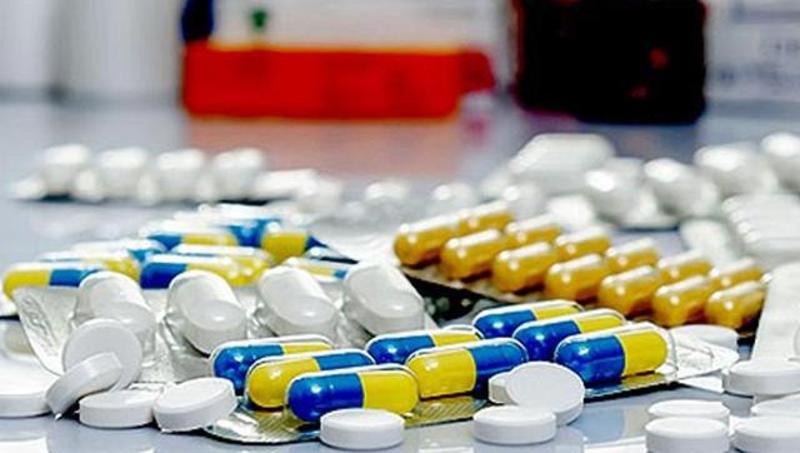
While pharmaceutical companies such as Biocon, Lupin and Glenmark have manufacturing units outside India, IPCA Laboratories is looking for land in Abu Dhabi, Dubai, analysts said.
Earlier this year, Cipla closed a $550-million deal for its first US-based manufacturing facility.
Citing data from Dealogic, Dow Jones Business News recently reported that Indian drugmakers in 2015 struck deals worth $1.5-billion for manufacturing operations based in the US. Pharma companies have made more than 30 deals in the US in the last five years as they seek better regulatory process and technology, along with cheaper land and skilled labour.
“Regulatory hurdles, unclear clinical trial timelines and lack of handholding in land, taxing and labour issues, are forcing drugmakers to venture into the foreign countries. Apart from the US, other preferred destinations are Malaysia, Mexico, Thailand, Dubai, Brazil and Vietnam,” said Sarabjit Kour Nangra, pharma analyst at Angel Broking.
Glenmark opened its first US-based manufacturing facility two years ago, and earmarked significant investments. “North Carolina offered low business costs, favourable legal and regulatory environment and constant supply of skilled labours, which are critical to serve the company’s growing business in the country,” said Glenn Saldanha, chairman and managing director, Glenmark. The company has 14 manufacturing plants in four countries — India, Brazil, Argentina and the Czech Republic — based on the market importance as well as for the ease of doing business.
Another Mumbai-based company, Lupin operates 18 manufacturing facilities globally, out of which six are outside India — three in Japan and one each in the US, Brazil and Mexico.
“There are several reasons why a pharmaceutical company would invest in manufacturing facilities outside India. For instance, it makes sense to have local manufacturing operations in a market like Brazil for the ease of getting approvals...,” said Ramesh Swaminathan, chief financial officer, Lupin Ltd. “In financial year 2016, we have invested Rs 11,681 million on capital expenditure alone on manufacturing facilities.”
Biocon, India’s largest insulin maker, has invested over $160 million to set up a bio-pharma manufacturing and research facility in Malaysia. Biocon said Malaysia offers a state-of-the-art biotechnology ecosystem.
Mail sent to IPCA did not fetch any response.


