
 E-Paper



ATM virus attack: Dos and don’ts for debit card holders
With debit card users in the country coming under threat with leakage of financial data and the State Bank of India blocking thousands of cards, most banks in the country may mandate you to either change your plastic or immediately change your password. The Reserve Bank of India, along with other investigating agencies and issuers are looking into the issue. However, most lenders say there is no reason to panic but here are a few do’s and don’t’s for you:


With debit card users in the country coming under threat with leakage of financial data and the State Bank of India blocking lakhs of cards, most banks in the country may ask you to either change your card or password. The Reserve Bank of India and other investigating agencies are looking into the issue.
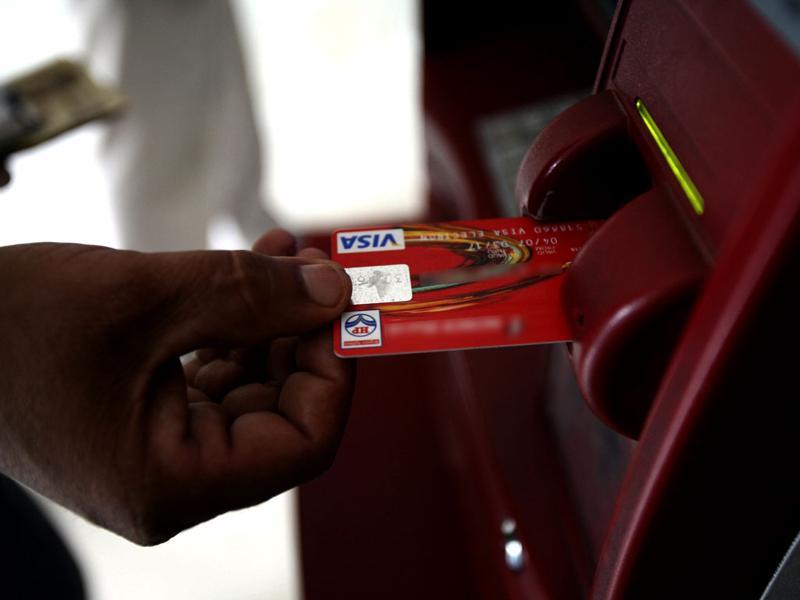
However, most lenders say there is no reason to panic. Here are a few dos and don’ts for you:
Read: This is how an ATM virus compromised 3.2 million debit cards in India
Dos:
1) Change your PIN frequently.
2) Try using an ATM that is run by your own bank. This helps in maintaining confidentiality and in case of any breach or dispute, it remains within the periphery of your own bank and no other lender or “entity” is involved.
3) Be careful when you are using your ATM. Nobody should be present at the ATM kiosk while you are making the transaction.
4) If you don’t travel outside the country frequently, call your bank and instruct them to block usage of your card in overseas locations. When you travel, call your bank, ask them to unblock the card for temporary use.
5) If you use your debit card outside the country, changing your PIN on your return.
6) Contact your bank immediately in case of any discrepancy, unusual transaction, or if your receive calls on “fictitious” transactions.
Don’ts:
1) Never share any information pertaining to your financial data or account on emails or text messages or even over the phone.
2) Do not give your card number or PIN to any vendor.
3) Do not allow a vendor to swipe your card if you are not present.
4) Do not set passwords comprising name of your spouse, children or parents. Also, never put your date of birth as the PIN.
5) Avoid opening mails seeking financial information.


