Little-known US optical parts maker Starman Optical has agreed to buy action-camera company GoPro for $285 million in cash. The deal was announced on Tuesday. The deal is aimed at helping GoPro deal with its financial problems, including debt, rising memory chip prices and strong competition from Chinese companies.
Starman Optical is a privately held company that makes optical transceivers in the US. These parts are used in AI data centers to help networking equipment send data using light. Under the deal, Starman will own 90% of GoPro. Existing GoPro shareholders will own the remaining 10%. The companies said in a joint statement.
GoPro deal and new markets
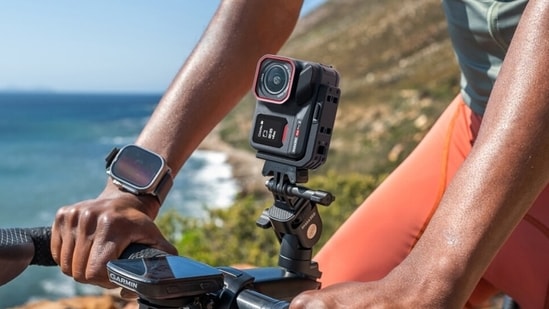
GoPro is mainly known for its action cameras and consumer products. The companies said the deal could help GoPro move into commercial, defense and AI markets. GoPro has more than 2,500 US patents, including patents related to optics and imaging technology. Starman plans to use GoPro's technology and patents to expand into these new markets.
GoPro stock jumps
GoPro shares rose more than 50% after news of the deal. The stock traded at around $1.33. Starman's offer is $1.14 per GoPro share. That price is about 29.5% higher than GoPro's previous closing price, according to Reuters report.
{{/usCountry}}GoPro shares rose more than 50% after news of the deal. The stock traded at around $1.33. Starman's offer is $1.14 per GoPro share. That price is about 29.5% higher than GoPro's previous closing price, according to Reuters report.
{{/usCountry}}GoPro's shares were trading above Starman's $1.14 offer price. This could mean some investors believe another company may make a higher offer for GoPro. In other words, investors may be betting that the final deal price could be higher than the current offer.
Also read: Mortgage rates near 6.7%: Why homeowners are refusing to give up cheap 3% loans
GoPro stock loses 96%
GoPro had a very different position when it went public in 2014. The company reached a valuation of about $4 billion on its first trading day. Since then, GoPro's stock has lost around 96% of its value, according to Reuters.
Chinese competition hits GoPro
GoPro has faced growing competition from Chinese action-camera companies. Major rivals include DJI and Insta360. This competition has made it harder for GoPro to maintain its earlier growth and market position.
GoPro's revenue in the June quarter was down more than 80% from the company's peak. GoPro had recorded quarterly revenue of $633.91 million in the final three months of 2014. The huge fall shows how much the company's business has weakened since its strongest period.
Memory chip prices add pressure
GoPro is also dealing with a sharp increase in memory chip prices. Prices have risen as Big Tech companies spend heavily on building AI infrastructure. Higher chip costs are putting additional pressure on GoPro's business because the company needs these components for its products.
The rising costs became serious enough for GoPro to warn in June that there was substantial doubt about its future. This showed that the company was facing major financial pressure even before the Starman deal was announced, according to Reuters.
AI data center business
As part of the deal, Starman plans to add its optical transceivers to GoPro's business. Optical transceivers are components that allow networking equipment to send data using light. These components are important for high-speed data networks and AI data centers.
GoPro and Starman also want to move production of some important optical equipment back to the United States. However, the companies have not given a timeline for when this could happen. The companies said.
Also read: Stock Market Today: Dow falls 301 points, S&P 500 drops 0.7%, Nasdaq slides 1.1% as oil, yields rise
GoPro keeps camera business
The deal does not mean GoPro is abandoning its action-camera business. GoPro will continue operating its consumer business even after the takeover. This makes the deal different from some other companies that have recently moved away from their original businesses to focus on AI.
A number of companies, including Allbirds, which is now known as Smartbird, have shifted toward AI-related businesses in recent months. These companies have been attracted by the large amount of investment flowing into the AI industry. GoPro, however, plans to keep its existing consumer business while also exploring commercial, defense and AI opportunities, according to Reuters.
GoPro debt and future
GoPro currently has around $92 million in outstanding debt. The cash deal is expected to help repay this debt. Removing this debt burden could give the company more financial room as it deals with higher costs and competition.
Even after Starman buys a 90% stake, GoPro will remain publicly listed. Existing shareholders will continue to own the remaining 10% of the company. The deal is expected to close by the end of 2026, assuming the required conditions are completed.
GoPro is moving from being heavily dependent on consumer action cameras toward a business that also targets AI, defense and commercial technology. Starman brings optical technology and AI data-center experience, while GoPro brings its imaging technology and large US patent portfolio. The deal could therefore give the struggling camera company a chance to build a new business while keeping its consumer products alive.