Ola founder and CEO Bhavish Aggarwal coined the term "techno-colonialism" in an interview with ANI, to describe a modern phenomenon where India's data is exported to global data centers, processed, and then repurposed and sold back to India.
Why does Bhavish Aggarwal believe India is under "techno-colonialism"?
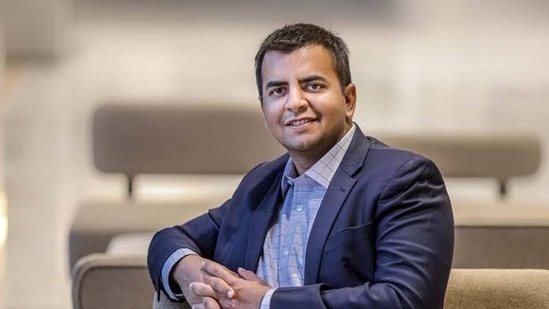
Aggarwal likened this practice to the historical exploitation of Indian resources by the British East India Company, saying that while India produces a 20% of the world's data, with the benefits of this data largely siphoned off by foreign tech giants.
Also Read: Ola Cabs to now use Ola Maps instead of Google Maps, CEO Bhavish Aggarwal says
“Only one-tenth of that (data) is stored in India. 90% is exported to global data centers, largely owned by big techs," Aggarwal said. "It is processed into AI, brought back into India, and sold to us in dollars.”
This is exactly what happened 200 years ago with the East India Company, Aggarwal said. “They used to export cotton and bring clothes from abroad. Now we're exporting data and bringing intelligence from abroad… Techno-colonialism.”
Aggarwal emphasized the necessity for India to build its own technology based on its own value systems. “For example, when I see the future of AI, we have a uniquely Indian idea called digital public infrastructure," he said, adding that "UPI is an example of that. ONDC is an example of that”
{{/usCountry}}Aggarwal emphasized the necessity for India to build its own technology based on its own value systems. “For example, when I see the future of AI, we have a uniquely Indian idea called digital public infrastructure," he said, adding that "UPI is an example of that. ONDC is an example of that”
{{/usCountry}}Also Read: Why Elon Musk is against getting an MBA: 6 steps to get hired by Musk
Aggarwal believes that in the world of AI, data is the core and should be owned by the data creators themselves.
He also strongly believes that attributing original content or data creators is important.
Aggarwal co-founded Ola Cabs with Ankit Bhati in Bengaluru in January 2011. He was included in Time magazine's 100 Most Influential People of 2018. He also founded Krutrim, an AI software, which generates text with an innate sense of Indian cultural sensibilities and relevance, supporting all 22 Indian scheduled languages and Indian contexts.
Also Read: India-UK FTA 2nd round talks this month: Whiskey, EVs, lamb meat, and chocolates