
 E-Paper



Maruti says Suzuki’s faulty fuel test may not affect Indian market
Shares of the Maruti Suzuki India Ltd tumbled by 4% on Wednesday following Suzuki Motor Corporation (SMC) chairman Osamu Suzuki’s confession that the Japanese carmaker made inflated claims of fuel efficiency.


Shares of the Maruti Suzuki India Ltd tumbled by 4% on Wednesday following Suzuki Motor Corporation (SMC) chairman Osamu Suzuki’s confession that the Japanese carmaker made inflated claims of fuel efficiency.
However, Maruti executives insisted there will be no direct impact on India because the country follows a different system of certification done by government-approved agencies as opposed to Japan which follows a self-certification.
Maruti is the largest carmaker in India, with nearly half the share of the market. Car buyers in India are especially sensitive about the fuel efficiency of their cars, which has made it a critical selling point.
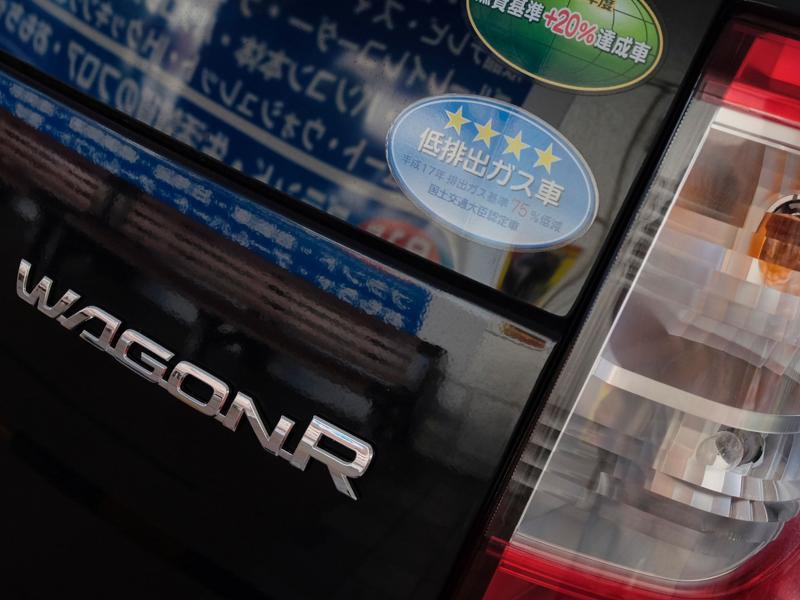
Some of the Suzuki cars under investigation are household names in India: Alto, Wagon R, Baleno, SX4 S-CROSS, and Swift. Another, Ignis, will soon be here.
Read | Suzuki shares crash by 15% after reports of improper fuel-testing
At the time of writing this article, there had been no official announcement from Maruti. However, a Suzuki statement issued in Japan sought to exonerate Maruti and all of its other overseas arms.
“The above issues do not apply to products sold under the Suzuki badge outside Japan,” said Suzuki which specialises in mini cars, and controls almost a third of the mini segment in Japan.
According to SMC, the tests to determine fuel efficiency were done in controlled conditions. Data of individual components like tires, brakes and transmission were tested inside a wind tunnel instead of an outside environment as a part of rolling resistance test and air resistance test.
SMC is the second Japanese company to find itself engulfed in the mileage scandal; Mitsubishi Motors confessed to having cheated customers for 25 years.


