
 E-Paper



Written agreements, minimum wages: What’s in Karnataka’s draft Domestic Workers Bill
Karnataka's Labour Department has proposed a draft bill to regulate domestic work, ensuring minimum wages and social security for workers.

 Prefer HTon Google


The Karnataka Labour Department has released a draft Domestic Workers (Social Security and Welfare) Bill, aimed at regulating employment conditions, ensuring minimum wages, and providing social security benefits for domestic workers across the state.
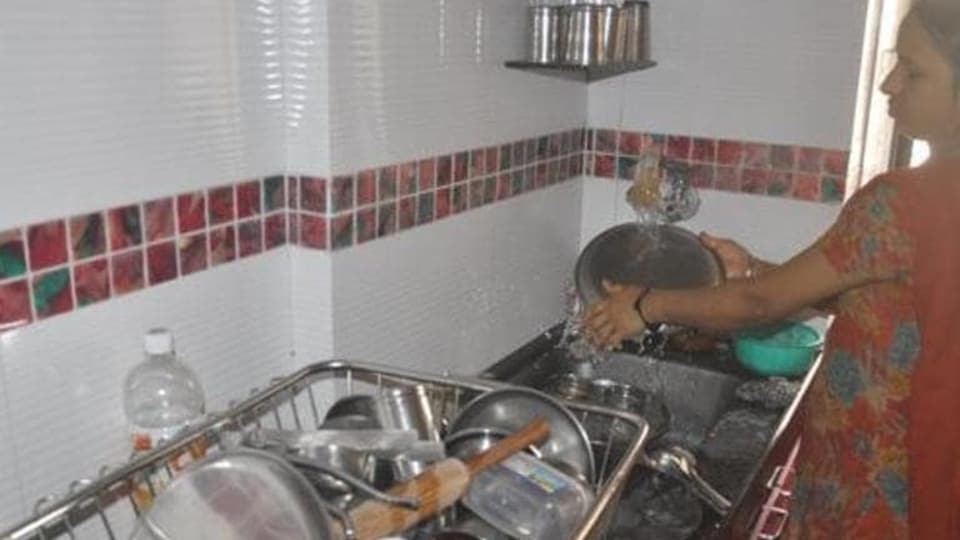
The draft bill, published on Wednesday, prohibits the employment of domestic workers without a written agreement and mandates that all workers receive minimum wages as fixed by the state government.
(Also Read: Bengaluru’s top 100 worst roads to get permanent repairs? GBA plans citizen-driven road overhaul)
Employers, service providers, or agencies violating the provisions could face up to three months’ imprisonment and fines, according to the draft. Citizens have a month to submit suggestions or objections on the draft.
According to the bill, no domestic worker shall be employed without a written agreement entered into between the employer and the worker. Such agreements must follow the minimum labour standards laid down in the model employment agreement prescribed under the rules.
The agreement must specify the name and other particulars of the worker, the nature of work assigned, hours of work, wages, and other benefits including welfare fees and contributions. The draft also stipulates that overall working hours shall not exceed 48 hours per week, with at least one full day off or two staggered half-day holidays each week. Domestic workers are entitled to reasonable working hours, periods of rest, annual paid leave, and maternity benefits.
The bill empowers the state government to fix the minimum rate of wages payable to domestic workers by their employers and to revise it periodically, ensuring that there is no discrimination in wages paid to men, women, or adolescent workers. Registration of domestic workers, employers, and service providers is also mandatory.
If a worker is illiterate or a migrant, the service provider, placement agency, and employer must register the worker within a month of the commencement of employment. Employers must register workers within a month of hiring, while service providers must register within a month of the Act coming into force. In case of a change of employment or migration, the worker must inform the registering authorities within 30 days.
The draft bill provides for the constitution of the Karnataka State Domestic Workers Social Security and Welfare Board, which will administer and monitor the Domestic Workers Social Security and Welfare Fund, and advise the government on matters related to the effective implementation of the Act. The fund will be supported through registration fees collected from domestic workers, employers, service providers, placement agencies, including digital platforms, and up to 5 percent of the welfare fee collected periodically. The board will have equal representation of domestic workers, employers, service providers, placement agencies, and government authorities.
Under penal provisions, the bill states that anyone sending girls or women for immoral purposes, abusing or illegally confining domestic workers, or providing a child as a domestic worker will face three to seven years in prison and fines of up to ₹50,000. The draft defines a “domestic worker” as a person employed to perform domestic work either directly or indirectly, through a contract or digital platform, full-time or part-time, live-in or otherwise, including casual, temporary, piecemeal, gig, and migrant workers. An “employer” is defined as anyone engaging domestic workers to perform work, directly or through an agency or platform, including the head of the household or anyone with ultimate control over the household.
This draft bill represents a major step toward formalizing domestic work in Karnataka, providing legal protection, fair wages, and social security benefits to workers who have historically been vulnerable to exploitation.
(With PTI inputs)


