E-Paper



MP forest dept’s trick to make herbivores walk into relocated Cheetahs’ den
The idea is to ensure that for a few months, the Cheetahs get to hunt in the vicinity of their fenced enclosure, which is being made to keep them safe from about 70 leopards that live in the Sanctuary.

 Prefer HTon Google


Madhya Pradesh forest department is going to plant special bricks to attract herbivores to an enclosure being made for African Cheetahs that will be relocated from South Africa to Kuno Wildlife Sanctuary in Sheopur district at the end of this year.
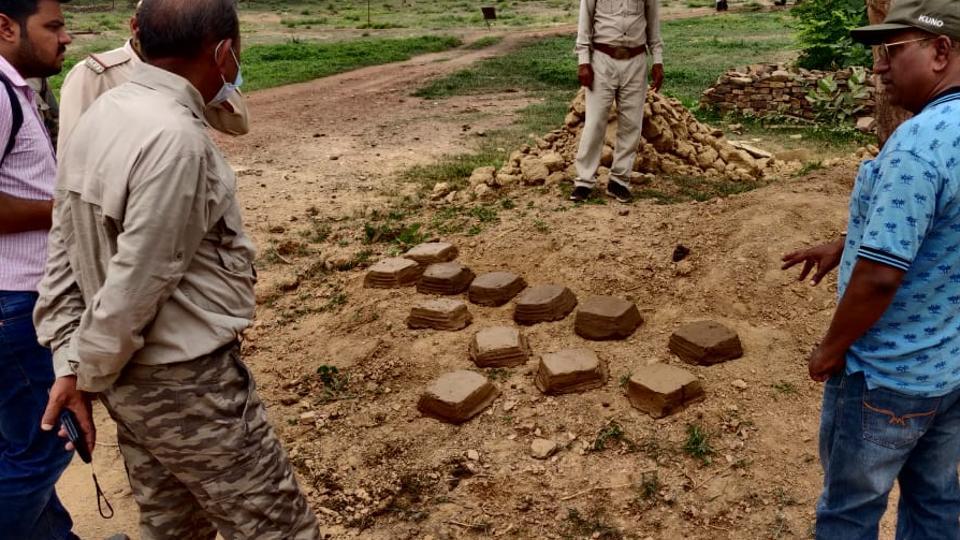
Bricks made up of pulses, jaggery and salt will be used to attract herbivores such as spotted deer to the special five square kilometre fenced area where eight African Cheetahs will be kept, said PK Verma, field director.
Cheetah was declared extinct in India in 1952 and it is now being reintroduced at the Kuno National Park this year. Eight Cheetahs including some females are due to arrive here in October-November from South Africa. Kuno Sanctuary, which is located in the Chambal region, is spread over an area of over 750 sq km and has conducive environment for the cheetah, MP forest minister had said in May.
The idea is to ensure that for a few months, the Cheetahs get to hunt in the vicinity of their fenced enclosure, which is being made to keep them safe from about 70 leopards that live in the Sanctuary, said Verma
“Cheetahs will keep in this fenced area for a few months. Forest department doesn’t want to interfere in the natural habitat so to attract spotted deers and other herbivores, they made these bricks. In the fenced area, small gates are being set up to keep these bricks,” said Verma.
Alok Kumar, principal chief conservator of forest (wildlife) said that the fragrant bricks were earlier successfully used in Kanha Tiger Reserve to draw herbivores from buffer to core area.
“The herbivores have a habit of eating soil and by licking these bricks, they will end their craving for soil as it tastes similar and better,” Alok Kumar said.
About 400 bricks will be made and used in phases. “Our target is to attract at least 200-400 herbivores in the fenced area before translocation of cheetahs by the end of this year,” Kumar added.
( With inputs from Shiv Pratap Singh from Morena)