
 E-Paper



Chandigarh: Poll code further delays setting up of RT-PCR test lab at GMSH-16
Over 20 months after the first Covid-19 case surfaced in Chandigarh, Government Multi Specialty Hospital (GMSH), Sector 16, is yet to begin the RT-PCR (reverse transcription polymerase chain reaction) testing

 Prefer HTon Google


Amid the possibility of another surge of Covid-19 pandemic and concerns over the new Omicron variant, the Chandigarh health department has inadequate facilities to conduct testing for the virus.
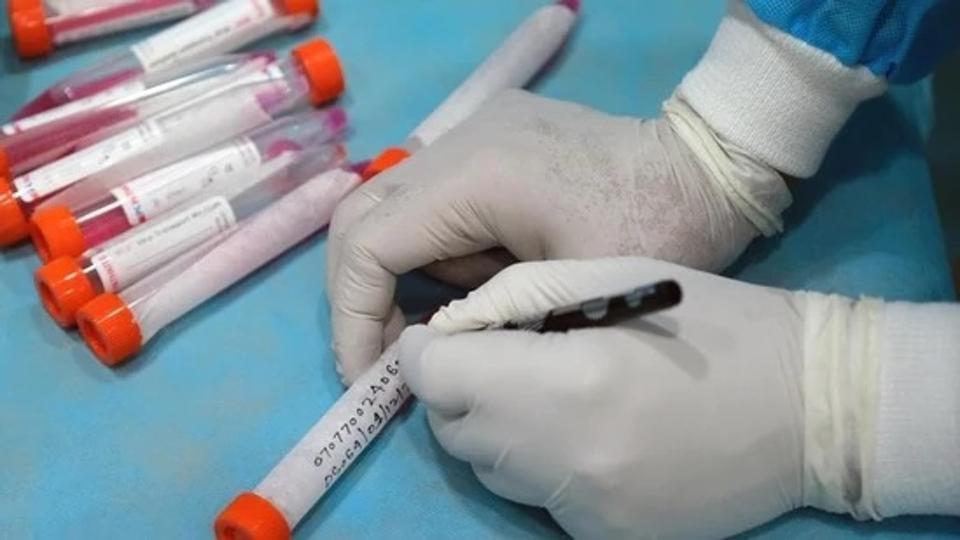
In fact, over 20 months after the first Covid-19 case surfaced in Chandigarh, Government Multi Specialty Hospital (GMSH), Sector 16, is yet to begin the RT-PCR (reverse transcription polymerase chain reaction) testing.
The health department had in July planned to set up an advanced lab at GMSH-16 for conducting RT-PCR testing, with the aim to complete the project by September this year. Though the department has received the required equipment, the already delayed project will take another one month for completion due to Chandigarh municipal elections.
“The engineering-related work of the building got delayed initially. Now, we have got the equipment, but due to the election code of conduct, approvals and filing procedures are taking extra time. It will take around a month to start the facility,” said Dr Suman Singh, director health services, Chandigarh.
The RT-PCR test detects the presence of viral RNA and is quite accurate. It is the most recommended test for tracing the infection in individuals suffering from influenza-like symptoms and Covid-19.
Once operational, the hospital will start conducting 400 tests per day while the capacity will increase with time. Meanwhile, the GMSH-16 has a TrueNat machine that gives results in three to four hours, but is only meant for testing of emergency cases and not for mass-scale testing. Besides, rapid antigen tests are being conducted at various government facilities, which give results in 30-45 minutes but are less reliable than RT-PCR tests.
In the absence of the RT-PCR test facility, the UT health department is sending more than 1,000 samples daily to the Post Graduate Institute of Medical Education and Research (PGIMER). During the peak of the first and second wave, the department was struggling to catch up with the daily testing targets set by the Union health ministry.


