
 E-Paper



Chandigarh to rope in private firms to help cut waiting time for medical tests at government hospitals
The move comes after the Centre appreciated Chandigarh health department’s efforts at setting up an MRI scan facility at GMSH-16 in PPP mode, at a rate cheaper than private and other government facilities


The UT administration is planning to rope in private firms to set up diagnostic centres in city’s government hospitals, in public-private partnership (PPP) mode, to help cut the waiting time for various medical tests.
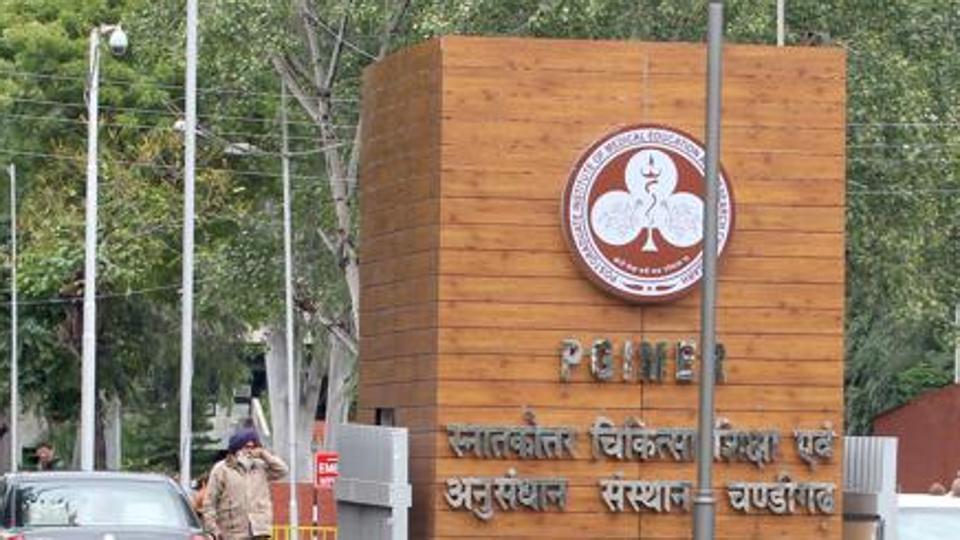
The move comes after the Centre appreciated UT health department’s efforts at setting up an MRI scan facility at Government Multi-Specialty Hospital (GMSH), Sector 16, in PPP mode, at a rate cheaper than private and other government facilities.
Now, the UT health department is planning to replicate this model for other tests, including—CT scans, ultrasound, PET (positron emission tomography) scans, echocardiogram (echo) and others, at GMSH-16, Government Medical College and Hospital (GMCH), Sector 32, and civil hospitals in Sector 22, 45 and Manimajra.
All hospitals will, however, continue to run their own government diagnostics services and the addition of private facilities will be a relief for patients as the waiting time will significantly reduce. UT health secretary Yashpal Garg said, “At GMSH-16, the MRI scan facility was non-operational for two years. To restart the facility, UT had invited bidders to run the facility under PPP mode. Instead of bidding the rental amount to the government, the private firms were asked to bid for discounts on the test, which they will offer to the patients. The firm, which won the bid for providing maximum discount to patients, was allotted a space in the hospital to set up their facility, at no rent amount to the government.”
“The firm brought in its own diagnostic machines, equipment and manpower to run the facility and the test rates are much cheaper. Besides, the private firm operates the MRI centre round-the-clock and testing is available not only for patients of GMSH, but also for those referred from other government hospitals and private health facilities,” said Garg, adding that there is no waiting time for this facility at GMSH-16, at present, and patients can walk-in any time to avail it.
Presently, the waiting time for MRI scan at the Post Graduate Institute of Medical Education and Research (PGIMER) is as long as two to three months (for OPD or walk-in patients) while the same is around two months in GMCH-32. Emergency and indoor patients, however, are given preference at every hospital.
For ultrasound tests, the waiting time is around three months at PGIMER, one month at GMSH-16 and allied civil hospitals and around two months at GMCH-32. “Since GMSH-16 and civil hospitals witness heavy footfall of pregnant ladies, preference is given to them for ultrasound tests due to which other patients get a long waiting list,” said Garg.


