Chief minister Bhagwant Singh Mann on Saturday launched the Punjab Industrial Policy-2026 in Ludhiana, setting an ambitious target to draw ₹75,000 crore in investments this year.
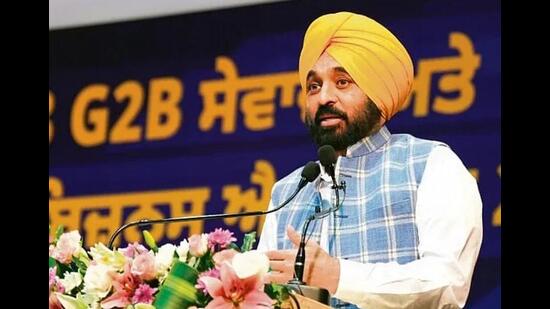
Flanked by state industry minister Sanjeev Arora and business leaders, the CM positioned the policy as a roadmap to making Punjab India’s premier investment hub.
Addressing the gathering, Mann emphasised that the framework offers unprecedented flexibility. “The policy is designed to provide long-term stability. For the first time, we are allowing investors to curate their own incentive packages from a menu of 20 different options,” he said.
Longer fiscal support, new subsidies
A major shift in the 2026 policy is the extension of the incentive eligibility period, which has been increased from the previous seven-10 years to 10-15 years.
This ensures sustained financial cushioning for new units during their critical growth phases. Additionally, the state has debuted a capital subsidy to lower the entry barrier for fresh industrial ventures.
To democratise industrial growth, Arora announced a reduction in eligibility for the employment generation subsidy.
The investment bar has been lowered from ₹250 crore to just ₹25 crore, while the workforce requirement has been slashed from 1,000 employees to 50.
The policy also includes a social mandate with a standard subsidy of ₹3,000 per employee; inclusive hiring of ₹4,000 per employee for hiring women, SC/ST candidates, and persons with disabilities.
{{/usCountry}}The policy also includes a social mandate with a standard subsidy of ₹3,000 per employee; inclusive hiring of ₹4,000 per employee for hiring women, SC/ST candidates, and persons with disabilities.
{{/usCountry}}Arora said that priority sectors, including electric vehicles (EVs), defence, and IT, as well as units in border and Kandi regions, will receive a 25% top-up on existing incentives.
To bolster the local tech scene, the startup seed grant has been hiked from ₹3 lakh to ₹5 lakh.